




In the realm of medical supplies, gauze balls are indispensable tools, used in a multitude of healthcare settings for wound care, cleaning, and various medical procedures. As a supplier of high - quality gauze balls, I often encounter questions from customers about the environmental impact of our products, particularly whether gauze balls are biodegradable. This blog post aims to delve into this topic, examining the materials used in gauze balls, the factors affecting their biodegradability, and the implications for both the environment and our customers.
Materials Used in Gauze Balls
Gauze balls can be made from a variety of materials, each with different properties and environmental impacts. The most common materials used are cotton and non - woven fabrics.
Cotton Gauze Balls
Cotton is a natural fiber derived from the cotton plant. It is highly absorbent, soft, and breathable, making it an ideal material for medical applications. From a biodegradability perspective, cotton is an excellent choice. It is composed of cellulose, a complex carbohydrate that can be broken down by microorganisms in the environment. When exposed to the right conditions, such as in a composting environment with the presence of bacteria, fungi, and oxygen, cotton will gradually decompose. This process can take anywhere from a few weeks to several months, depending on the specific conditions, including temperature, moisture, and the presence of appropriate decomposers.
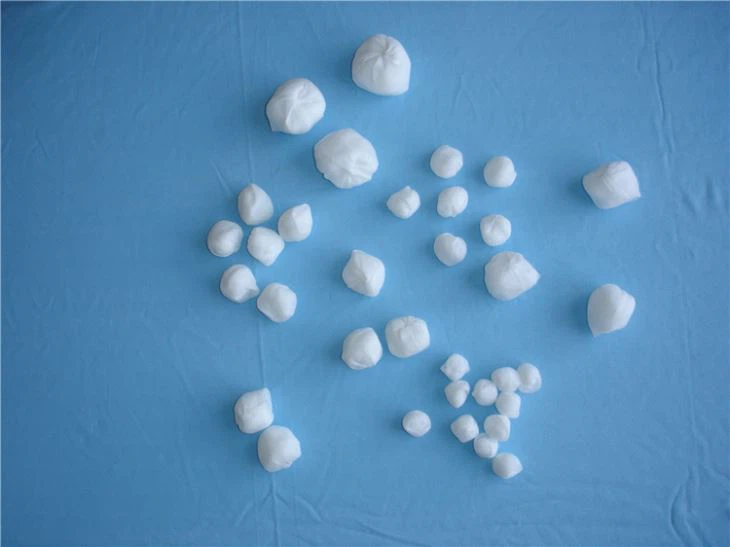
Our Sterile Gauze Ball options made from cotton are not only great for medical use but also have a relatively low environmental impact at the end of their life cycle. They can return to the earth in a natural way, leaving behind minimal waste.
Non - woven Gauze Balls
Non - woven fabrics used in gauze balls are typically made from synthetic fibers such as polyester or polypropylene, or a combination of synthetic and natural fibers. The biodegradability of non - woven gauze balls depends on the materials they are made of.
Synthetic non - woven materials are often not biodegradable. Polyester and polypropylene are polymers that are stable and resistant to microbial degradation. They can remain in the environment for hundreds of years without breaking down. However, there are also non - woven fabrics made from natural fibers or a blend that includes natural components. For example, some non - woven materials may have a certain percentage of cotton or other biodegradable fibers mixed with synthetic fibers. These blended non - woven gauze balls may have some level of biodegradability, but it will be influenced by the proportion of the biodegradable component.
We offer Sterile Non - woven Gauze Ball and Non - sterile Gauze Ball options. Our customers should pay attention to the product descriptions to understand the exact composition of the non - woven materials and their potential biodegradability.
Factors Affecting Biodegradability
Even for materials that are theoretically biodegradable, several factors can influence the actual process of decomposition.
Microbial Activity
Microorganisms play a crucial role in the biodegradation process. For example, bacteria and fungi secrete enzymes that break down complex organic compounds into simpler substances. In a sterile medical environment or in a landfill where microbial activity is limited, the biodegradation of cotton gauze balls may be significantly slowed down. In contrast, in a composting facility where there is a rich population of decomposers, the biodegradation process can proceed more efficiently.
Environmental Conditions
Temperature and moisture are two key environmental factors. Biodegradation generally occurs more quickly in warm and moist conditions. For instance, in tropical regions with high humidity and temperatures, the decomposition of biodegradable materials may be faster compared to cold and dry regions. Oxygen availability also matters. Aerobic decomposition, which requires oxygen, is often faster and more complete than anaerobic decomposition.
Implications for the Environment and Customers
Environmental Impact
Understanding the biodegradability of gauze balls is important for environmental conservation. As the demand for medical supplies increases, the disposal of non - biodegradable gauze balls can contribute to the growing problem of waste accumulation in landfills. Biodegradable gauze balls, on the other hand, offer a more sustainable option. They help reduce the long - term burden on the environment by breaking down into natural substances that can be absorbed back into the ecosystem.
Customer Considerations
For customers, especially healthcare facilities and environmental - conscious consumers, the biodegradability of gauze balls can be a significant factor in purchasing decisions. Healthcare providers are increasingly looking for eco - friendly options to reduce their environmental footprint. By choosing biodegradable gauze balls, they can contribute to a more sustainable healthcare industry.

Our Commitment as a Supplier
As a supplier of gauze balls, we are committed to providing products that meet high - quality medical standards while also being environmentally responsible. We offer a range of options, including cotton - based biodegradable gauze balls, to meet the diverse needs of our customers. We also work hard to provide clear and accurate information about the composition and biodegradability of our products.
We encourage our customers to consider the environmental impact when making purchasing decisions. Whether you are a large hospital, a small clinic, or an individual consumer, we believe that every choice counts in the effort to protect the environment.
If you are interested in learning more about our gauze ball products or have questions about their biodegradability, please feel free to reach out to us. We are more than happy to assist you in finding the right gauze ball solutions for your needs and to engage in discussions about sustainable procurement.
References
- "Biodegradation of Natural and Synthetic Polymers: An Overview." Journal of Polymers and the Environment.
- "Environmental Impact of Medical Waste: A Review." Environmental Science and Pollution Research.