



Are lap sponges compatible with cleaning agents? This is a question that often comes up in various industries, especially in healthcare and laboratory settings where lap sponges are widely used. As a lap sponge supplier, I've encountered numerous inquiries regarding the interaction between lap sponges and different cleaning agents. In this blog post, I'll delve into this topic, exploring the compatibility of lap sponges with cleaning agents, the factors that influence this compatibility, and the implications for users.
Understanding Lap Sponges
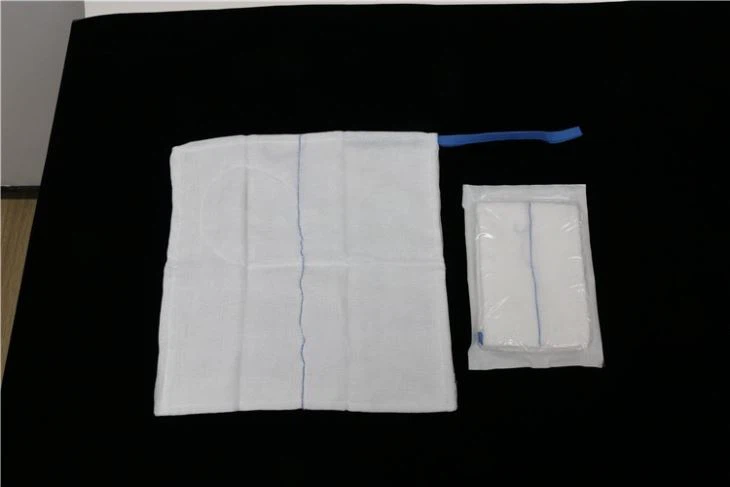
Before we discuss the compatibility with cleaning agents, it's essential to understand what lap sponges are. Lap sponges are absorbent pads typically made of cotton or other absorbent materials. They come in different sizes and thicknesses and are used for a variety of purposes, including soaking up fluids, wiping surfaces, and providing a barrier during medical procedures.
There are two main types of lap sponges: Non-sterile Lap Sponge and Sterile Lap Sponge. Non-sterile lap sponges are used in general cleaning and non-critical applications, while sterile lap sponges are used in surgical and other aseptic procedures where maintaining a sterile environment is crucial.
Compatibility Factors
Several factors influence the compatibility of lap sponges with cleaning agents. These factors include the type of material the lap sponge is made of, the chemical composition of the cleaning agent, and the intended use of the lap sponge after cleaning.
Material of the Lap Sponge
The material of the lap sponge plays a significant role in its compatibility with cleaning agents. Cotton is a common material for lap sponges due to its high absorbency and softness. However, cotton can be affected by certain chemicals. For example, strong acids or alkalis can damage the cotton fibers, reducing the sponge's absorbency and durability. Synthetic materials, on the other hand, may have different chemical resistance properties. Some synthetic lap sponges are designed to be more resistant to chemicals, making them more compatible with a wider range of cleaning agents.
Chemical Composition of the Cleaning Agent
The chemical composition of the cleaning agent is another crucial factor. Cleaning agents can be classified into different types, such as detergents, disinfectants, solvents, and acids or alkalis. Detergents are generally mild and are used for general cleaning. They are usually compatible with most lap sponges, especially cotton ones. Disinfectants, on the other hand, are designed to kill microorganisms and may contain chemicals such as alcohol, chlorine, or quaternary ammonium compounds. These chemicals can be more aggressive and may cause damage to the lap sponge if not used correctly. Solvents are used to dissolve grease and other stubborn stains. They can be harsh on the lap sponge material and may require special handling. Acids and alkalis are strong chemicals that can react with the lap sponge material, causing damage or discoloration.
Intended Use of the Lap Sponge
The intended use of the lap sponge after cleaning also affects its compatibility with cleaning agents. If the lap sponge is to be used in a sterile environment, such as in a surgical procedure, it must be cleaned and sterilized using appropriate methods. The cleaning agent used must be compatible with the sterilization process and not leave any residues that could contaminate the sterile field. In non-sterile applications, the requirements for compatibility may be less strict, but it's still important to ensure that the cleaning agent does not leave any harmful residues on the lap sponge.
Compatibility Testing
To determine the compatibility of lap sponges with cleaning agents, it's recommended to conduct compatibility testing. This involves exposing a sample of the lap sponge to the cleaning agent under controlled conditions and observing any changes in the sponge's appearance, absorbency, and durability.
The testing process typically includes the following steps:

- Select a representative sample of the lap sponge and the cleaning agent to be tested.
- Prepare the test solution by diluting the cleaning agent according to the manufacturer's instructions.
- Immerse the lap sponge sample in the test solution for a specified period of time, usually ranging from a few minutes to several hours.
- Remove the lap sponge sample from the test solution and rinse it thoroughly with water.
- Observe and evaluate the lap sponge sample for any changes in appearance, such as discoloration, shrinkage, or damage to the fibers. Also, test the absorbency and durability of the lap sponge to see if they have been affected.
Based on the results of the compatibility testing, you can determine whether the lap sponge is compatible with the cleaning agent and make informed decisions about its use.
Implications for Users
The compatibility of lap sponges with cleaning agents has several implications for users. If the lap sponge is not compatible with the cleaning agent, it can lead to a variety of problems, including:
- Reduced absorbency: The cleaning agent may damage the fibers of the lap sponge, reducing its ability to absorb fluids. This can affect the performance of the lap sponge in its intended application.
- Shortened lifespan: Repeated exposure to incompatible cleaning agents can cause the lap sponge to deteriorate more quickly, reducing its lifespan and increasing the need for replacement.
- Contamination risks: If the cleaning agent leaves residues on the lap sponge, it can pose a contamination risk, especially in sterile environments. This can compromise the safety and effectiveness of medical procedures.
On the other hand, using compatible cleaning agents can help maintain the quality and performance of the lap sponges, ensuring their safe and effective use in various applications.
Recommendations for Using Cleaning Agents with Lap Sponges
To ensure the compatibility of lap sponges with cleaning agents and to maximize their performance and lifespan, the following recommendations are provided:
- Read the manufacturer's instructions: Before using any cleaning agent with lap sponges, carefully read the manufacturer's instructions for both the lap sponge and the cleaning agent. This will provide you with important information about the recommended cleaning methods and any compatibility issues.
- Conduct compatibility testing: As mentioned earlier, it's advisable to conduct compatibility testing before using a new cleaning agent with lap sponges. This will help you determine if there are any potential problems and allow you to take appropriate measures.
- Use mild cleaning agents: Whenever possible, use mild detergents or cleaning agents that are specifically formulated for use with absorbent materials. These agents are less likely to damage the lap sponge and are generally more compatible with a wider range of materials.
- Follow proper cleaning procedures: When cleaning lap sponges, follow the proper cleaning procedures to ensure that they are cleaned effectively without causing damage. This may include using the appropriate dilution of the cleaning agent, soaking the lap sponges for the recommended time, and rinsing them thoroughly after cleaning.
- Store lap sponges properly: After cleaning, store the lap sponges in a clean, dry place to prevent contamination and damage. Avoid storing them in direct sunlight or in areas with high humidity, as this can affect their quality.
Conclusion
In conclusion, the compatibility of lap sponges with cleaning agents is an important consideration for users in various industries. By understanding the factors that influence this compatibility, conducting compatibility testing, and following the recommended cleaning procedures, users can ensure the safe and effective use of lap sponges.
As a lap sponge supplier, I'm committed to providing high-quality lap sponges and offering professional advice on their use and maintenance. If you have any questions or need further information about lap sponges or their compatibility with cleaning agents, please feel free to contact me for procurement discussions. I look forward to working with you to meet your lap sponge needs.
References
- ASTM International. (20XX). Standard test methods for evaluating the performance of absorbent products.
- Manufacturer's guidelines for lap sponges and cleaning agents.