



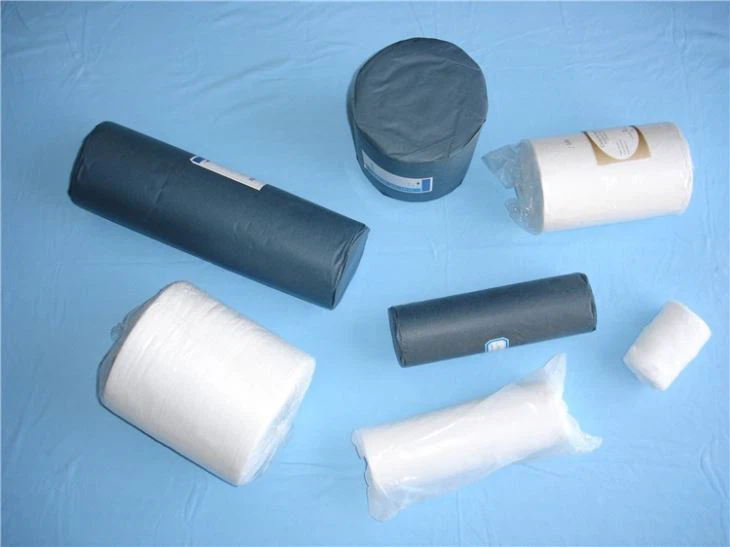
As a supplier of Gauze Rolls, I often receive inquiries from customers about the usage and restrictions of these essential medical products. Gauze rolls are widely used in the medical field for various purposes, including wound dressing, first - aid, and surgical procedures. However, like any medical product, there are certain restrictions and considerations that users should be aware of to ensure safe and effective use.
1. Medical Conditions and Allergies
One of the primary restrictions on the use of a gauze roll is related to patient allergies. Some individuals may be allergic to the materials used in gauze rolls. For example, traditional 100% Cotton Gauze Roll can cause allergic reactions in patients with cotton allergies. In such cases, alternative materials like Non - woven Gauze Rolls may be a better option. Non - woven gauze is often made from synthetic fibers and is less likely to cause allergic reactions.
It is crucial for medical professionals to conduct an allergy assessment before using a gauze roll on a patient. If a patient has a known allergy to cotton or other materials, they should choose a hypoallergenic gauze product. Additionally, patients with sensitive skin may also experience irritation from certain types of gauze. In these situations, a softer and more gentle gauze material should be selected.
2. Wound Type and Condition
The type and condition of the wound play a significant role in determining the appropriate use of a gauze roll. For dry, clean wounds, a simple gauze dressing can be used to protect the wound from external contaminants and promote healing. However, for wet or infected wounds, a different approach is required.
Gauze rolls may not be the best option for highly exudating wounds. Excessive moisture can cause the gauze to adhere to the wound, leading to pain and trauma when the dressing is removed. In such cases, advanced wound dressings that can manage moisture, such as hydrocolloid or alginate dressings, may be more suitable.
On the other hand, for deep or puncture wounds, gauze rolls can be used to pack the wound and control bleeding. But it is important to ensure that the gauze is properly sterilized to prevent infection. If the wound shows signs of infection, such as redness, swelling, or pus, the use of gauze should be carefully monitored, and appropriate antibiotics or other treatments should be administered.

3. Sterility and Contamination
Sterility is a critical factor when using gauze rolls, especially in medical and surgical settings. Gauze rolls should be stored in a clean and dry environment to maintain their sterility. Once the packaging of a sterile gauze roll is opened, it should be used immediately to prevent contamination.
Contaminated gauze can introduce bacteria and other pathogens into the wound, increasing the risk of infection. Medical professionals should always follow proper aseptic techniques when handling gauze rolls. This includes washing hands thoroughly before touching the gauze, using sterile forceps to handle the dressing, and avoiding contact with non - sterile surfaces.
In non - medical settings, such as home first - aid, it is still important to use clean gauze. If a sterile gauze roll is not available, a clean, non - contaminated cloth can be used as a temporary substitute until proper medical care is obtained.
4. Frequency of Dressing Changes
The frequency of dressing changes using gauze rolls is another important consideration. Changing the dressing too frequently can disrupt the healing process and cause unnecessary trauma to the wound. On the other hand, leaving the dressing on for too long can lead to the accumulation of bacteria and moisture, increasing the risk of infection.
For most wounds, the dressing should be changed at least once a day or as recommended by a medical professional. However, for wounds with heavy exudate, more frequent changes may be necessary. It is important to monitor the wound closely and adjust the dressing change schedule accordingly.
5. Compatibility with Other Medical Products
Gauze rolls may be used in combination with other medical products, such as topical medications, antiseptics, or adhesive tapes. It is important to ensure that the gauze is compatible with these products.
Some topical medications may interact with the materials in the gauze, reducing their effectiveness or causing adverse reactions. For example, certain antiseptics may cause the gauze to discolor or break down. Before using a gauze roll with other medical products, it is advisable to consult the product labels or a healthcare provider to ensure compatibility.
6. Disposal
Proper disposal of used gauze rolls is essential to prevent the spread of infection. Used gauze should be considered as medical waste and disposed of in accordance with local regulations. In a medical setting, used gauze should be placed in a biohazard waste container.
In a home setting, used gauze can be placed in a sealed plastic bag and disposed of with regular household waste. However, if the gauze is contaminated with blood or other body fluids, it should be treated as biohazard waste and disposed of appropriately.
Conclusion
In conclusion, while gauze rolls are versatile and widely used in the medical field, there are several restrictions and considerations that users should keep in mind. These include patient allergies, wound type and condition, sterility, frequency of dressing changes, compatibility with other medical products, and proper disposal.
As a supplier of high - quality Gauze Rolls, we are committed to providing our customers with the best products and information. If you have any questions about the use of our gauze rolls or would like to discuss your specific requirements, please feel free to contact us. We look forward to the opportunity to work with you and meet your medical supply needs.
References
- Baranoski, S., & Ayello, E. A. (Eds.). (2012). Wound Care Essentials: Practice Principles. Lippincott Williams & Wilkins.
- National Institute for Health and Care Excellence. (2019). Wound management: antimicrobial prescribing. NICE guideline [NG101].