






Hey there! As a cotton roll supplier, I often get asked if there are different textures of cotton rolls. And the answer is a big yes! In this blog, I'm gonna break down the various textures of cotton rolls, why they matter, and how you can choose the right one for your needs.
Understanding the Basics of Cotton Rolls
First off, let's talk a bit about what cotton rolls are. They're made from pure cotton, which is a natural fiber known for its softness and absorbency. Cotton rolls are used in a bunch of different industries, like healthcare, beauty, and even some industrial applications.
In the healthcare field, they're super important. For example, Dental Roll are commonly used by dentists. They help in keeping the oral cavity dry during procedures, which is crucial for a successful dental operation. In the beauty industry, cotton rolls are used for makeup removal, applying skincare products, and even in some hair treatments. And in industrial settings, they can be used for cleaning and absorbing spills.
Different Textures of Cotton Rolls
Soft and Fluffy
The soft and fluffy texture is probably the most common one you'll come across. These cotton rolls are made from long - staple cotton fibers. Long - staple cotton is known for its smoothness and fineness. When you touch a soft and fluffy cotton roll, it feels almost like a cloud.
This texture is great for applications where you need a gentle touch. In the beauty industry, it's perfect for removing eye makeup. The softness won't irritate the delicate skin around your eyes. In healthcare, it can be used for gentle wound cleaning. Since it's so soft, it won't cause any extra pain to the patient. For Cotton Wool Roll used in general cleaning, the soft texture can be used on sensitive surfaces without scratching them.
Compact and Dense
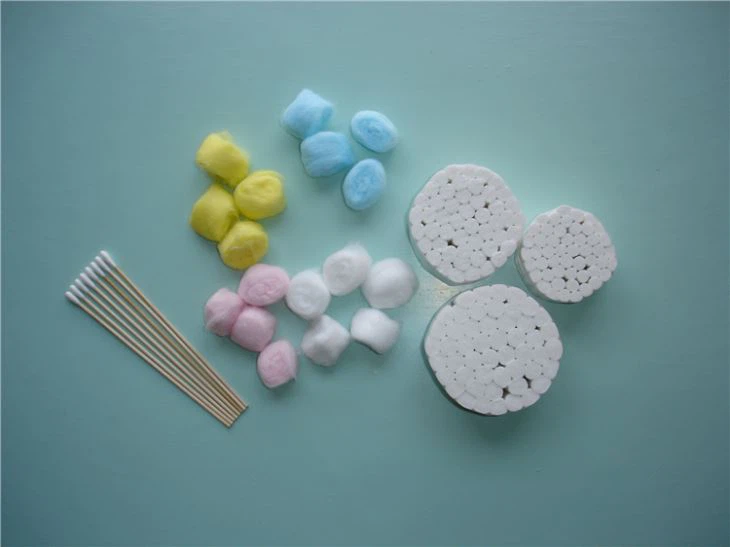
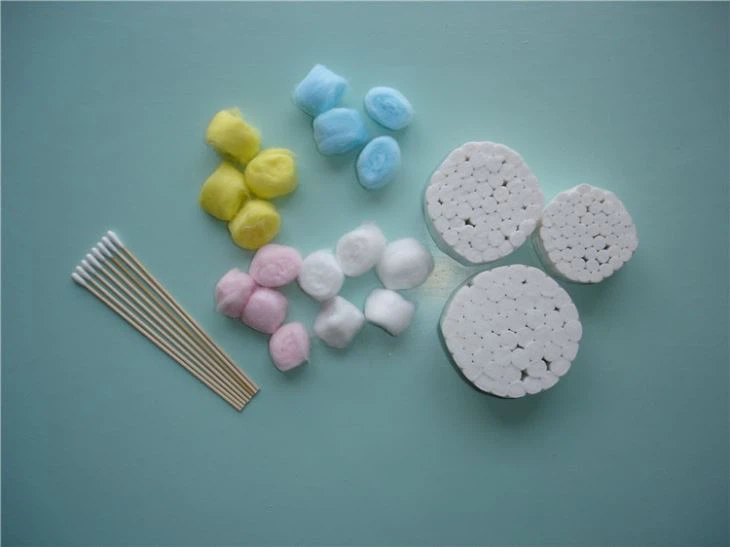
On the other end of the spectrum, we have compact and dense cotton rolls. These are made by packing the cotton fibers more tightly together. The result is a roll that is sturdier and can hold up better under pressure.
In dental work, compact and dense Dental Roll are often preferred. They can absorb a large amount of saliva and blood during dental procedures. Their density allows them to stay in place better, reducing the need for frequent readjustment. In industrial applications, a compact and dense cotton roll is great for cleaning up thick fluids or heavy oil spills. It can soak up a lot of liquid and maintain its shape while doing so.
Loose and Bulky
Loose and bulky cotton rolls have a more open structure. The fibers are not as tightly packed, which gives them a bulkier appearance. This texture is great for applications where you need a lot of absorbency over a large area.
In a laboratory setting, for example, loose and bulky cotton rolls can be used to line trays and absorb any spills that might occur during experiments. In the beauty industry, they can be used for applying large amounts of hair dye or bleach evenly across the hair. The loose structure allows the product to be absorbed and distributed more effectively.
Factors Affecting the Texture
There are a few factors that can affect the texture of cotton rolls.
Cotton Quality
The quality of the cotton used is a major factor. Higher - quality cotton, like long - staple cotton, tends to produce softer and fluffier cotton rolls. Lower - quality cotton may result in a coarser texture. When we as suppliers select the cotton for our rolls, we always look for the best quality to ensure the right texture for different applications.
Manufacturing Process
How the cotton rolls are made also matters. The way the cotton fibers are spun, woven, or compressed during manufacturing can change the final texture. For example, if the cotton is spun more tightly, it will result in a denser roll. If it's processed to keep the fibers more loose, we'll get a bulkier roll.
Finishing Treatments
Some cotton rolls go through finishing treatments. These treatments can add special properties to the rolls and also affect the texture. For instance, a treatment that adds a bit of stiffness can make a roll more suitable for certain industrial uses, while a softening treatment can enhance the softness of a roll intended for beauty or healthcare applications.
Choosing the Right Texture for Your Needs
So, how do you know which texture of cotton roll is right for you?
If you're in the beauty industry, and you're mainly doing delicate work like makeup removal or applying serums, go for the soft and fluffy cotton rolls. They'll give you a gentle touch that won't damage the skin. For more heavy - duty makeup tasks like applying foundation all over the face, a loose and bulky roll might be better as it can hold more product.
In the healthcare field, for general wound care, soft rolls are usually a good choice. But for dental procedures, especially those that involve a lot of fluid, compact and dense Dental Roll are the way to go.
In industrial settings, if you're dealing with light spills, a soft or loose roll can be sufficient. But for thick liquids and oils, a compact and dense roll will be more effective.
Why Our Cotton Rolls Stand Out
As a cotton roll supplier, we take pride in offering a wide range of textures to meet different customer needs. We source the highest - quality cotton and use advanced manufacturing processes to ensure that each roll has the right texture. Whether you need a soft and fluffy roll for a beauty salon or a compact and dense one for a dental office, we've got you covered.
Our quality control team checks every batch of cotton rolls to make sure they meet the highest standards. We understand that different industries have different requirements, and we're committed to providing the best products.
Let's Connect
If you're in the market for cotton rolls and have questions about the texture or any other aspect, don't hesitate to reach out. We're here to help you choose the right product for your specific needs. Whether you're a small business or a large corporation, we can work with you to provide the right quantity at a competitive price. So, start a conversation with us and let's find the perfect cotton rolls for you!
References
- Textile Institute. Handbook of Textile Fibres. Woodhead Publishing, 2011.
- American Dental Association. Dental Materials and Equipment Guidelines. 2020.
- Cosmetics and Toiletries Association. Best Practices for Beauty Product Application. 2019.