




Are there different types of Israeli Bandages?
As a supplier of Israeli Bandages, I often get asked about the different types available in the market. Israeli Bandages, also known as combat gauze or trauma dressings, have gained significant popularity in the medical and military fields due to their effectiveness in controlling severe bleeding. In this blog post, I will explore the various types of Israeli Bandages and their specific uses.
1. Military Trauma Bandage
The Military Trauma Bandage is one of the most well - known types of Israeli Bandages. Designed specifically for military use, this bandage is engineered to address the high - intensity and life - threatening bleeding situations that soldiers may encounter on the battlefield.
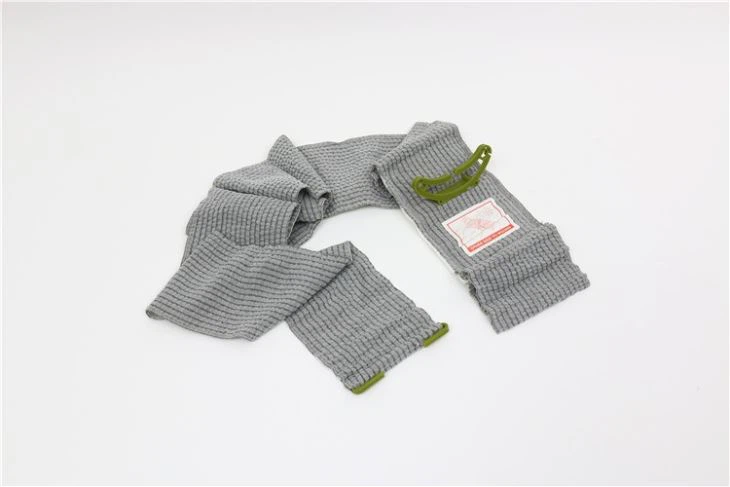
The Military Trauma Bandage typically comes with a large, absorbent pad that can quickly soak up a substantial amount of blood. It is made from high - quality materials that are both strong and flexible, allowing it to conform to different body parts and wound shapes. The bandage is also equipped with a self - adhering mechanism, which makes it easy to apply even with one hand. This is crucial in combat situations where a soldier may have limited mobility or be under duress.
The Military Trauma Bandage has been battle - tested and has proven its worth in saving countless lives. Its ability to provide rapid and effective hemostasis (stopping of bleeding) is essential in the critical first few minutes after an injury. If you are interested in learning more about the Military Trauma Bandage, you can visit Military Trauma Bandage.
2. 6 Inch Israeli Trauma Dressing Bandage
The 6 Inch Israeli Trauma Dressing Bandage is another popular option. The 6 - inch width of this bandage makes it suitable for a wide range of wounds, from medium - sized cuts and abrasions to larger lacerations.
This type of bandage offers a good balance between coverage and flexibility. It can be easily wrapped around limbs, joints, or other body parts, providing a secure and comfortable fit. The absorbent pad in the center of the bandage is designed to hold a large volume of blood, preventing it from seeping through and reducing the risk of infection.
The 6 Inch Israeli Trauma Dressing Bandage is often used in pre - hospital care settings, such as ambulances and first - aid stations. It is also a valuable addition to any home first - aid kit, as it can be used to treat minor to moderate injuries. To find out more about the 6 Inch Israeli Trauma Dressing Bandage, click on 6 Inch Israeli Trauma Dressing Bandage.
3. Israeli Abdominal Trauma Dressing Bandage
The Israeli Abdominal Trauma Dressing Bandage is specifically designed for abdominal injuries. Abdominal wounds can be particularly dangerous due to the presence of vital organs and the potential for internal bleeding.
This bandage is larger and more robust than standard Israeli Bandages. It has a special design that allows it to cover a large area of the abdomen and provide firm pressure to control bleeding. The absorbent material is capable of handling a significant amount of blood loss, and the bandage is often reinforced to withstand the movement and pressure associated with abdominal injuries.
In addition to its hemostatic properties, the Israeli Abdominal Trauma Dressing Bandage helps to protect the abdominal cavity from contamination. It is an essential tool in trauma centers and emergency departments, where quick and effective treatment of abdominal injuries can be the difference between life and death. For more information on the Israeli Abdominal Trauma Dressing Bandage, visit Israeli Abdominal Trauma Dressing Bandage.
Factors to Consider When Choosing an Israeli Bandage
When selecting an Israeli Bandage, several factors should be taken into account.
Wound Size and Location
The size and location of the wound are crucial considerations. For small wounds on fingers or toes, a smaller bandage may be sufficient. However, for large, deep wounds or those located on the abdomen or limbs, a larger and more specialized bandage may be required.

Absorbency
The absorbency of the bandage is directly related to its ability to control bleeding. Bandages with higher absorbency are better suited for wounds that are bleeding heavily.
Ease of Use
In emergency situations, the ease of applying the bandage can be a matter of life and death. Look for bandages that are easy to handle, even with one hand, and that have clear instructions for use.
Durability
The bandage should be durable enough to withstand movement and pressure without coming apart or losing its effectiveness. This is especially important for long - term use or in situations where the patient may be transported over a long distance.
Conclusion
In conclusion, there are indeed different types of Israeli Bandages, each designed to meet specific needs. Whether you are a member of the military, a first - responder, or simply someone looking to stock a first - aid kit at home, understanding the different types of Israeli Bandages can help you make an informed decision.
As a supplier of Israeli Bandages, I am committed to providing high - quality products that meet the highest standards of safety and effectiveness. If you are interested in purchasing Israeli Bandages for your organization or personal use, I encourage you to reach out to me for more information and to discuss your specific requirements. We can work together to find the right type of bandage for your needs and ensure that you are well - prepared for any emergency situation.
References
- American College of Surgeons Committee on Trauma. Advanced Trauma Life Support (ATLS) Student Course Manual. American College of Surgeons; 2018.
- National Association of Emergency Medical Technicians. Prehospital Trauma Life Support (PHTLS) Provider Manual. National Association of Emergency Medical Technicians; 2019.