


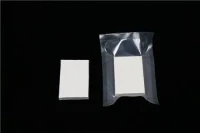




As a supplier of lap sponges, one question I often encounter from customers is whether a lap sponge can be sterilized. This is a crucial topic, especially in medical and surgical settings where maintaining a sterile environment is of utmost importance. In this blog post, I'll delve into the details of lap sponge sterilization, exploring the possibilities, methods, and considerations.
Understanding Lap Sponges
Lap sponges are commonly used in surgical procedures to absorb blood and other fluids, provide traction, and protect tissues. They are typically made of absorbent materials such as cotton or synthetic fibers. Lap sponges come in two main types: Sterile Lap Sponge and Non-sterile Lap Sponge.
Sterile lap sponges are pre - sterilized and ready for immediate use in surgical fields. They are packaged in a way that maintains their sterility until the package is opened. Non - sterile lap sponges, on the other hand, are not sterilized at the time of purchase and may need to be sterilized before use in a sterile environment.
Can Lap Sponges be Sterilized?
The short answer is yes, lap sponges can be sterilized. However, several factors need to be considered to ensure effective sterilization.
Material Compatibility
The first consideration is the material of the lap sponge. Most traditional cotton lap sponges can withstand common sterilization methods. Cotton is a relatively heat - and chemical - resistant material. Synthetic fiber lap sponges also vary in their ability to be sterilized. Some synthetic materials may be damaged by high temperatures or certain chemicals used in sterilization processes. For example, if a synthetic lap sponge is made of a heat - sensitive polymer, autoclaving (a high - temperature steam sterilization method) may cause it to melt or deform.
Sterilization Methods
There are several methods available for sterilizing lap sponges:
Autoclaving
Autoclaving is one of the most common and effective methods for sterilizing medical instruments and supplies, including lap sponges. It uses high - pressure steam at temperatures typically around 121 - 134°C (250 - 273°F) for a specific period, usually 15 - 30 minutes. The high temperature and pressure kill a wide range of microorganisms, including bacteria, viruses, and fungi.
For lap sponges, autoclaving is suitable for cotton - based products. However, as mentioned earlier, it may not be appropriate for some heat - sensitive synthetic materials. When autoclaving lap sponges, they should be properly arranged in the autoclave to ensure uniform steam penetration. Overloading the autoclave can prevent steam from reaching all parts of the sponges, leading to incomplete sterilization.
Chemical Sterilization
Chemical sterilization involves using chemicals such as ethylene oxide (EtO), hydrogen peroxide, or glutaraldehyde. Ethylene oxide is a gas that can penetrate porous materials and effectively kill microorganisms. It is often used for heat - sensitive items. However, it has some drawbacks. Ethylene oxide is toxic and flammable, and proper ventilation and safety precautions are required during the sterilization process. After EtO sterilization, the lap sponges need to be aerated for a certain period to remove any residual gas.
Hydrogen peroxide is another option. It can be used in vaporized form to sterilize lap sponges. It is less toxic than ethylene oxide and has a shorter aeration time. Glutaraldehyde is a liquid chemical that can also be used for sterilization, but it has a strong odor and may cause skin and eye irritation.
Radiation Sterilization
Radiation sterilization, such as gamma radiation or electron beam radiation, can also be used to sterilize lap sponges. Gamma radiation uses high - energy gamma rays to kill microorganisms. It is a cold - sterilization method, which means it does not generate heat. This makes it suitable for heat - sensitive materials. Electron beam radiation is similar but uses high - energy electrons. Both methods are effective in sterilizing lap sponges, but they require specialized equipment and facilities.
Considerations for Sterilizing Lap Sponges
Quality Control
After sterilization, it is essential to perform quality control checks. This can include microbiological testing to ensure that the lap sponges are free of viable microorganisms. Visual inspection is also important to check for any signs of damage, such as discoloration, melting, or changes in texture.
Packaging
Once the lap sponges are sterilized, proper packaging is crucial to maintain their sterility. They should be packaged in a sterile, sealed container or wrapper. The packaging material should be able to prevent the entry of microorganisms and protect the lap sponges from physical damage.
Regulatory Requirements
In the medical field, there are strict regulatory requirements for sterilization processes. These regulations ensure that sterilized products meet certain standards of safety and efficacy. For example, in the United States, the Food and Drug Administration (FDA) has guidelines for the sterilization of medical devices and supplies. Lap sponge manufacturers and users need to comply with these regulations to ensure the quality of the sterilized products.
Advantages of Sterilizing Non - sterile Lap Sponges
There are several advantages to sterilizing non - sterile lap sponges:
Cost - Effectiveness
Non - sterile lap sponges are generally less expensive than pre - sterilized ones. By sterilizing non - sterile lap sponges in - house, healthcare facilities can save costs, especially if they have a high demand for lap sponges.
Customization
Sterilizing non - sterile lap sponges allows for more customization. Healthcare providers can cut the sponges to the desired size or shape before sterilization, depending on the specific surgical needs.
Challenges and Limitations
Despite the ability to sterilize lap sponges, there are some challenges and limitations:
Time and Resources
Sterilization processes require time and resources. Autoclaving, for example, takes a certain amount of time to heat up, maintain the sterilization temperature, and cool down. Chemical sterilization methods may also require additional steps, such as aeration. Healthcare facilities need to have the necessary equipment, trained personnel, and space to carry out the sterilization processes effectively.
Environmental Impact
Some sterilization methods, such as ethylene oxide sterilization, have an environmental impact. Ethylene oxide is a greenhouse gas, and its use contributes to air pollution. There is a growing trend towards more environmentally friendly sterilization methods, such as hydrogen peroxide vapor sterilization.


Conclusion
In conclusion, lap sponges can be effectively sterilized, but careful consideration of material compatibility, sterilization methods, quality control, and regulatory requirements is necessary. As a lap sponge supplier, I understand the importance of providing high - quality products and accurate information to our customers. Whether you need Sterile Lap Sponge for immediate use or Non - sterile Lap Sponge that you plan to sterilize in - house, we can offer the right solutions to meet your needs.
If you are interested in purchasing lap sponges or have any questions about sterilization, please feel free to contact us for a detailed discussion. We are committed to providing you with the best products and services in the medical supply industry.
References
- Block, S. S. (2001). Disinfection, Sterilization, and Preservation. Lippincott Williams & Wilkins.
- Rutala, W. A., & Weber, D. J. (2008). Guideline for Disinfection and Sterilization in Healthcare Facilities, 2008. Centers for Disease Control and Prevention.
- Spaulding, E. H. (1968). Chemical disinfection and antisepsis in the hospital. Hospital Practice, 3(6), 55 - 64.