





Can a Training Bandage be Used for Facial Injuries?
As a supplier of training bandages, I often receive inquiries from customers about the versatility of our products. One question that comes up frequently is whether a training bandage can be used for facial injuries. In this blog post, I'll delve into this topic, exploring the feasibility, benefits, and considerations when using training bandages for facial wounds.
Understanding Training Bandages
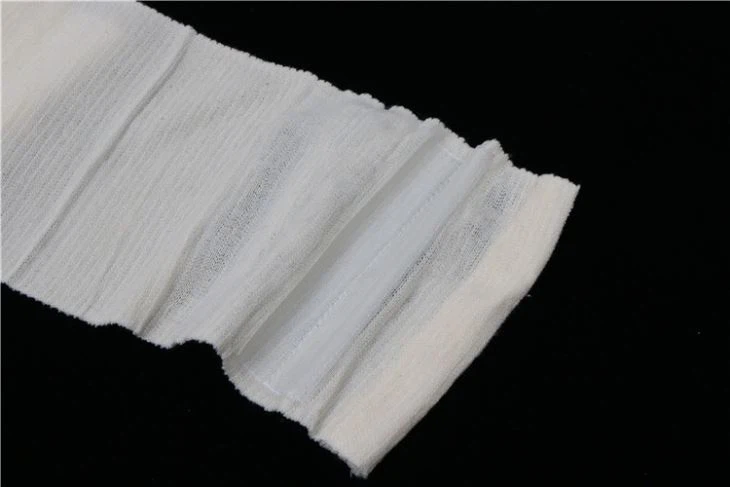
Training bandages are designed primarily for medical training purposes. They mimic the properties and functions of real trauma bandages, allowing medical students, first - aid responders, and military personnel to practice wound - dressing techniques. Our 6 Inch Training Bandage, 4 Inch Training Bandage, and Abdominal Training Bandage are made from high - quality materials that are both durable and realistic in their feel.
Feasibility of Using Training Bandages for Facial Injuries
In a real - world emergency situation where proper medical supplies are scarce, a training bandage can potentially be used for facial injuries. The key functions of a bandage for facial wounds are to control bleeding, protect the wound from contamination, and provide some degree of support to the injured area. Training bandages are generally made of absorbent materials that can soak up blood, which helps in controlling minor to moderate bleeding.

However, it's important to note that training bandages are not specifically designed for facial use. The facial area has unique anatomical features, such as the eyes, nose, and mouth, which require special considerations. For example, a bandage that is too tight around the face can restrict breathing or cause discomfort to the patient.
Benefits of Using Training Bandages for Facial Injuries
- Absorbency: Training bandages are often highly absorbent. They can quickly soak up blood from a facial wound, reducing the risk of blood loss and helping to keep the wound clean. This is especially important for injuries that involve cuts or abrasions on the face.
- Availability: In some situations, especially in remote areas or during large - scale emergencies, regular medical bandages may not be readily available. Training bandages can serve as a temporary substitute until proper medical supplies can be obtained.
- Cost - effective: Training bandages are generally more affordable than specialized medical bandages. This makes them a viable option for those on a tight budget or for organizations that need to stockpile a large number of bandages for potential emergencies.
Considerations When Using Training Bandages for Facial Injuries
- Sterility: While training bandages are made to be clean, they may not be as sterile as medical - grade bandages. There is a risk of introducing bacteria to the facial wound, which can lead to infections. If possible, the wound should be cleaned thoroughly before applying the training bandage.
- Fit and Comfort: The facial area is sensitive, and a poorly fitting bandage can cause discomfort or even additional injury. When using a training bandage on the face, it's crucial to ensure that it is not too tight or too loose. It should be wrapped in a way that does not interfere with the patient's vision, breathing, or ability to speak.
- Allergic Reactions: Some people may be allergic to the materials used in training bandages. Before applying the bandage to the face, it's a good idea to test a small area of the skin for any signs of an allergic reaction, such as redness, itching, or swelling.
How to Properly Use a Training Bandage for Facial Injuries
- Prepare the Wound: Clean the facial wound gently with clean water or a mild antiseptic solution if available. Pat the area dry with a clean cloth.
- Choose the Right Bandage: Select an appropriate size of the training bandage. For smaller facial wounds, a 4 Inch Training Bandage may be sufficient, while larger wounds may require a 6 Inch Training Bandage.
- Apply the Bandage: Place the center of the bandage over the wound. Wrap the bandage around the head carefully, making sure not to put too much pressure on the eyes, nose, or mouth. Secure the end of the bandage with a knot or a clip.
- Monitor the Patient: After applying the bandage, closely monitor the patient for any signs of discomfort, difficulty breathing, or changes in the wound condition. If the patient experiences any problems, adjust the bandage or seek further medical help immediately.
When Not to Use Training Bandages for Facial Injuries
- Severe Bleeding: If the facial injury is causing severe, uncontrollable bleeding, a training bandage may not be sufficient. In such cases, direct pressure should be applied to the wound using a clean cloth or the hand, and emergency medical services should be called immediately.
- Deep or Penetrating Wounds: For deep or penetrating facial wounds that involve internal organs or major blood vessels, a training bandage is not a substitute for proper surgical intervention. These types of injuries require immediate medical attention.
Conclusion
In conclusion, while a training bandage can be used for facial injuries in certain situations, it should be used with caution. It's important to understand the limitations of training bandages and to always prioritize the safety and well - being of the patient. If possible, seek professional medical advice as soon as possible.
As a supplier of training bandages, we are committed to providing high - quality products that can be useful in various situations. If you are interested in purchasing our training bandages for your medical training needs or for emergency preparedness, we invite you to contact us for more information and to discuss your specific requirements. We look forward to working with you to ensure that you have the right supplies for any situation.
References
- American Red Cross. First Aid Manual.
- National Institutes of Health. Guidelines for Wound Care.