





When it comes to head injuries, the immediate concern is always about providing effective first - aid. One question that often arises is whether a training bandage can be used for head injuries. As a supplier of training bandages, I'll delve into this topic to provide you with a comprehensive understanding.
Understanding Training Bandages
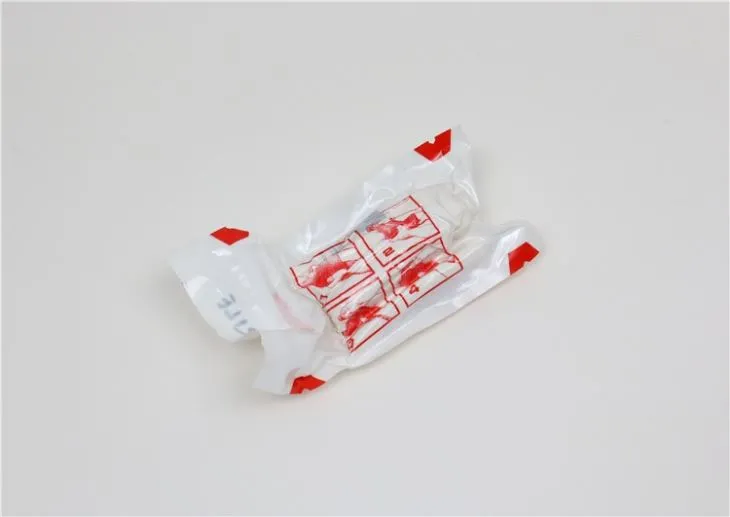
Training bandages are designed primarily for educational and practice purposes in first - aid training. They mimic the appearance and some of the functions of real trauma bandages. These bandages come in various sizes and types, such as the 6 Inch Training Bandage, Abdominal Training Bandage, and 4 Inch Training Bandage.
The main characteristics of training bandages include their durability, ease of use, and affordability. They are made from materials that can withstand repeated use during training sessions. For example, the fabric used is usually strong enough to be wrapped around different body parts multiple times without tearing.
Head Injuries: A Complex Scenario
Head injuries can range from minor cuts and abrasions to severe traumatic brain injuries (TBIs). Minor head injuries may involve superficial wounds on the scalp, which can cause bleeding. In such cases, the primary goal of first - aid is to control the bleeding and prevent infection.
Severe head injuries, on the other hand, are much more critical. They can involve damage to the brain, skull fractures, or internal bleeding. In these situations, the main priority is to stabilize the patient and seek immediate medical attention.
Can Training Bandages Be Used for Head Injuries?
For Minor Head Injuries
In the case of minor head injuries with superficial bleeding, a training bandage can be used as a temporary measure. The bandage can help apply pressure to the wound, which is crucial for controlling bleeding. The ability of a training bandage to be wrapped around the head and stay in place makes it suitable for this purpose.
For example, if someone has a small cut on the scalp, a 4 Inch Training Bandage can be wrapped around the head to apply gentle pressure. The non - slippery nature of the bandage material ensures that it stays in position, allowing the pressure to be maintained on the wound.
However, it's important to note that a training bandage is not a substitute for proper medical treatment. After using the training bandage to control the bleeding, the injured person should still seek medical advice to ensure that the wound is properly cleaned and treated to prevent infection.

For Severe Head Injuries
When dealing with severe head injuries, the use of a training bandage has limitations. While it can be used to cover an open wound on the scalp to prevent further contamination, it cannot address the underlying issues such as a skull fracture or internal bleeding.
In cases of severe head injuries, the most important step is to call for emergency medical services immediately. Do not attempt to move the patient unless it is absolutely necessary, as improper movement can cause further damage to the brain. A training bandage can be used to cover the wound gently, but it should not be wrapped too tightly, as this could potentially increase the pressure inside the skull and worsen the condition.
Advantages of Using Training Bandages for Head Injuries
- Availability: Training bandages are often readily available in first - aid training kits. This means that in an emergency situation where a head injury occurs, there is a high chance that a training bandage can be found nearby.
- Ease of Use: They are designed to be easy to handle, even for those with limited first - aid knowledge. The simple wrapping mechanism allows anyone to quickly apply the bandage to the head wound.
- Cost - Effective: Since training bandages are more affordable than some specialized medical bandages, they can be stocked in large quantities. This makes them a cost - effective option for providing immediate first - aid in various settings.
Disadvantages of Using Training Bandages for Head Injuries
- Lack of Specialized Features: Training bandages do not have some of the specialized features of real medical bandages. For example, they may not have antibacterial properties or be designed to promote wound healing.
- Not Designed for Long - Term Use: They are not intended for long - term wound management. After using a training bandage as a temporary measure, the wound should be properly treated with appropriate medical bandages and medications.
Best Practices for Using Training Bandages on Head Injuries
- Clean the Wound First: Before applying the training bandage, if possible, clean the wound gently with clean water or a mild antiseptic. This helps reduce the risk of infection.
- Apply the Bandage Correctly: Wrap the bandage around the head in a way that applies even pressure to the wound. Make sure not to wrap it too tightly, as this can cause discomfort and potentially restrict blood flow.
- Seek Medical Attention: Always seek medical advice after using a training bandage on a head injury. A healthcare professional can assess the severity of the injury and provide appropriate treatment.
Conclusion
In conclusion, a training bandage can be used for minor head injuries as a temporary measure to control bleeding. However, for severe head injuries, its use is limited to covering the wound and preventing contamination.
As a supplier of training bandages, we understand the importance of having reliable first - aid products on hand. Our range of training bandages, including the 6 Inch Training Bandage, Abdominal Training Bandage, and 4 Inch Training Bandage, are designed to meet the needs of first - aid training and can also be useful in real - life emergency situations.
If you are interested in purchasing our training bandages for your first - aid kits or training programs, we encourage you to reach out to us for procurement discussions. We are committed to providing high - quality products at competitive prices.
References
- American Red Cross. First Aid Manual.
- Mayo Clinic. Head Injury Information.
- World Health Organization. Guidelines for the Management of Traumatic Brain Injury.