








Can a Training Bandage Prevent Injuries?
In the world of physical training, injury prevention is a topic of paramount importance. Athletes, fitness enthusiasts, and even those engaging in light exercise are constantly on the lookout for effective ways to safeguard themselves from harm. One such tool that has gained significant attention is the training bandage. As a supplier of high - quality training bandages, I've had the opportunity to explore and understand their potential in preventing injuries. In this blog, I'll delve into the science behind training bandages and whether they can truly prevent injuries.
Understanding Training Bandages
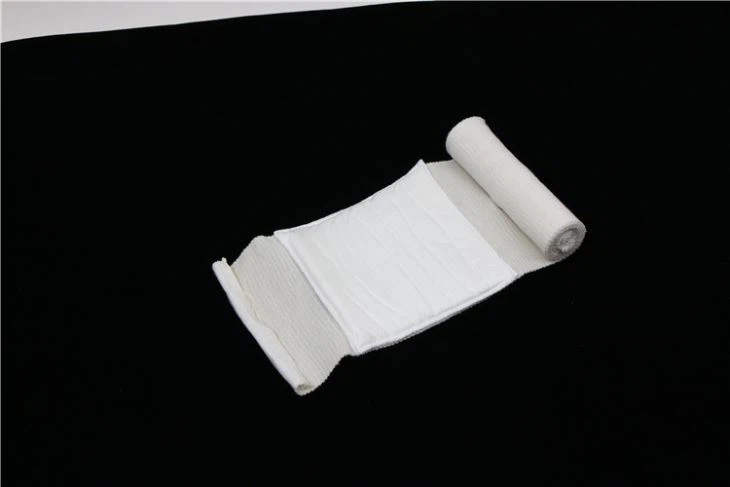
Training bandages come in various types and sizes, each designed to serve a specific purpose. For instance, the 6 Inch Training Bandage is often used for larger areas of the body, such as the thighs or upper arms. Its wider width provides more coverage and support. On the other hand, the 4 Inch Training Bandage is suitable for smaller joints like the wrists or ankles, offering a more targeted form of support. There's also the Abdominal Training Bandage, which is designed to support the abdominal muscles during strenuous activities.
These bandages are typically made from materials that are stretchy and breathable. Elastic materials allow the bandage to conform to the body's shape and movements, while breathability ensures that the skin can breathe, reducing the risk of irritation and discomfort.
How Training Bandages Might Prevent Injuries
-
Support and Stability
One of the primary ways training bandages can prevent injuries is by providing support and stability to the joints and muscles. When we engage in physical activities, our joints are subjected to various forces. For example, during weightlifting, the knees and elbows are under significant stress. A well - applied training bandage can help distribute these forces more evenly across the joint, reducing the strain on any one particular area. This can prevent over - stressing of the ligaments and tendons, which are common causes of injuries such as sprains and strains.
In the case of muscles, a bandage can offer support to the muscle fibers, preventing them from over - stretching or contracting too forcefully. This is especially important during high - intensity exercises where the risk of muscle tears is higher. -
Proprioception
Proprioception refers to our body's ability to sense its position and movement in space. Training bandages can enhance proprioception by providing additional sensory feedback to the brain. When a bandage is wrapped around a joint or muscle, it creates a physical boundary that the body can sense. This increased awareness can lead to more controlled movements, reducing the likelihood of sudden, erratic movements that could result in injury. For example, a runner wearing a bandage on their ankle may be more aware of their foot placement, reducing the risk of rolling the ankle. -
Compression
Compression is another key factor in injury prevention. Training bandages apply a certain amount of pressure to the body part they cover. This compression can help improve blood circulation, which is essential for delivering oxygen and nutrients to the muscles and removing waste products. Improved blood flow can also reduce swelling and inflammation, which are often precursors to more serious injuries. Additionally, compression can provide a sense of security and confidence to the user, allowing them to perform at their best without the fear of injury.
Limitations of Training Bandages in Injury Prevention
While training bandages offer several benefits in terms of injury prevention, it's important to recognize their limitations.
-
Not a Substitute for Proper Training
A training bandage is not a magic solution that can completely eliminate the risk of injuries. It cannot replace proper training techniques, warm - up exercises, and cool - down routines. Even with a bandage, if an athlete or fitness enthusiast engages in improper form during an exercise, they are still at risk of injury. For example, if a weightlifter uses incorrect lifting form while wearing a bandage on their knee, the bandage may not be able to prevent a knee injury. -
Individual Variations
The effectiveness of a training bandage can vary from person to person. Factors such as body type, fitness level, and the specific nature of the activity can all influence how well a bandage works. Some individuals may find that a certain type of bandage provides excellent support and injury prevention, while others may not experience the same benefits. Additionally, some people may be allergic or sensitive to the materials used in the bandages, which can limit their use. -
Wear and Tear
Training bandages are subject to wear and tear over time. As they are used repeatedly, the elastic properties of the bandage may deteriorate, reducing its effectiveness in providing support and compression. It's important for users to regularly check the condition of their bandages and replace them when necessary.
Real - World Evidence
There have been several studies and real - world experiences that support the use of training bandages for injury prevention. In sports such as basketball and volleyball, players often wear ankle bandages to reduce the risk of ankle sprains. These bandages have been shown to provide a certain level of support and stability to the ankle joint, especially during quick lateral movements and jumps.
In the field of weightlifting, many athletes use wrist and elbow bandages to support these joints during heavy lifting. The bandages help to distribute the weight more evenly and prevent excessive stress on the ligaments and tendons.
However, more research is still needed to fully understand the long - term effects of training bandages on injury prevention. Some studies have suggested that while bandages can reduce the risk of certain types of injuries, they may also have some unintended consequences, such as muscle atrophy if used for extended periods without proper exercise.

Conclusion
In conclusion, training bandages can play a valuable role in preventing injuries. They offer support, stability, enhanced proprioception, and compression, all of which can contribute to a safer and more effective training experience. However, they are not a substitute for proper training and should be used in conjunction with other injury prevention strategies.
As a supplier of training bandages, I am committed to providing high - quality products that meet the needs of athletes and fitness enthusiasts. Our bandages are designed with the latest technology and materials to ensure maximum support and comfort.
If you're interested in learning more about our training bandages or are considering purchasing them for your training needs, I encourage you to reach out for a procurement discussion. We can provide you with detailed information about our products, pricing, and any customization options that may be available. Together, we can take steps to minimize the risk of injuries and enhance your training performance.
References
- American Journal of Sports Medicine. "The Role of Supportive Bandages in Sports Injury Prevention."
- Journal of Orthopaedic Research. "Effect of Compression Bandages on Muscle Function and Injury Risk."
- Sports Medicine Review. "Proprioception and Injury Prevention in Athletes: The Role of Training Bandages."