



Can an Israeli Bandage be used in chemical - related injuries?
As a supplier of Israeli Bandages, I've received numerous inquiries about the versatility of these bandages, especially regarding their applicability in chemical - related injuries. To provide a comprehensive answer, we need to delve into the nature of Israeli Bandages, the characteristics of chemical injuries, and the scientific principles behind using such bandages in these situations.
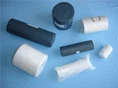
Israeli Bandages, also known as Israeli Trauma Dressing Bandages, have gained significant popularity in the field of first - aid due to their unique design and effectiveness in controlling bleeding. There are different types available, such as the Israeli Abdominal Trauma Dressing Bandage, the 4 Inch Israeli Trauma Dressing Bandage, and the Military Trauma Bandage. These bandages are typically made of a high - quality absorbent material with a pressure - applying mechanism, which allows for quick and efficient wound management in traumatic injuries.
Chemical - related injuries, on the other hand, present a different set of challenges. Chemicals can cause a wide range of damage, from mild irritation to severe burns and tissue destruction. The type of chemical involved, its concentration, the duration of exposure, and the area of the body affected all play crucial roles in determining the severity of the injury.
Can Israeli Bandages be used directly on chemical - related injuries?
In most cases, the immediate response to a chemical injury is to remove the chemical from the skin or tissue as quickly as possible. This usually involves flushing the affected area with large amounts of water for an extended period. The reason for this is that leaving the chemical on the skin can lead to continuous damage, and dilution and removal are the primary goals at this stage.
Israeli Bandages are designed mainly for trauma and bleeding control. Applying them directly to a chemical - exposed wound without proper cleaning can trap the chemical against the skin, potentially exacerbating the injury. For example, if a strong acid or alkali is left in contact with the tissue under the bandage, it can continue to react and cause more extensive damage. Therefore, in the initial phase of a chemical injury, using an Israeli Bandage directly is not recommended.
Secondary use of Israeli Bandages in chemical - related injuries
After the chemical has been thoroughly removed through appropriate decontamination procedures, an Israeli Bandage can have a role to play. Once the wound has been cleaned, it may be bleeding, especially if the chemical has caused damage to blood vessels. In such cases, the pressure - applying and absorbent properties of the Israeli Bandage can be beneficial.


The absorbent layer of the bandage can soak up any blood or exudate from the wound, keeping the area clean and promoting a more favorable environment for healing. The pressure - applying mechanism can help control bleeding, which is crucial for preventing further blood loss and reducing the risk of shock. For instance, if a chemical burn has caused a laceration or a puncture wound that is bleeding, an Israeli Bandage can be used to apply pressure and stop the bleeding.
Considerations when using Israeli Bandages in chemical - related injuries
- Type of chemical: Some chemicals may leave residues that can interact with the materials of the bandage. For example, certain oxidizing chemicals may react with the fibers of the bandage, potentially weakening its structure or causing additional harm. It is essential to ensure that the bandage is compatible with the type of chemical involved.
- Allergic reactions: Chemical - exposed skin may be more sensitive, and there is a higher risk of allergic reactions to the bandage material. Before applying the bandage, it is advisable to perform a small patch test on an unaffected area of the skin if possible.
- Monitoring: After applying the Israeli Bandage, close monitoring of the wound is necessary. Any signs of increased pain, swelling, redness, or discharge may indicate that the bandage is not suitable or that there is an ongoing problem with the wound.
Case studies and research
Although there is limited specific research on the use of Israeli Bandages in chemical - related injuries, general principles of wound management can be applied. In military and industrial settings, where chemical exposures are more likely to occur, the importance of proper decontamination followed by appropriate wound care has been emphasized.
For example, in industrial accidents involving chemical spills, workers are trained to first flush the affected area with water and then seek medical attention. In some cases, once the wound has been cleaned, first - aid providers may use available bandages, including Israeli Bandages, to manage bleeding and protect the wound.
Conclusion
In conclusion, Israeli Bandages are not suitable for direct application to chemical - exposed wounds without prior decontamination. However, after the chemical has been removed, they can be a valuable tool for controlling bleeding and providing wound protection. Their unique design and functionality make them a useful addition to any first - aid kit, especially in situations where both trauma and chemical - related injuries may occur.
If you are interested in purchasing high - quality Israeli Bandages for your first - aid needs, whether for personal, industrial, or military use, we are here to assist you. We offer a wide range of Israeli Bandages, including the Israeli Abdominal Trauma Dressing Bandage, the 4 Inch Israeli Trauma Dressing Bandage, and the Military Trauma Bandage. Contact us for more information and to discuss your specific requirements. We are committed to providing the best products and services to meet your needs.
References
- American Academy of Dermatology. Guidelines for the management of chemical burns.
- Military Medical Research Institute. First - aid procedures in chemical - exposed injuries.
- Journal of Trauma and Acute Care Surgery. Articles on wound management in complex injuries.