



In the realm of first - aid, various tools and materials play crucial roles in providing immediate care and preventing further injury. One such item that often goes unnoticed but holds significant potential is the cotton roll. As a supplier of cotton rolls, I am frequently asked about the viability of using cotton rolls for first - aid purposes. In this blog, we will explore the science behind using cotton rolls in first - aid, their advantages, limitations, and specific applications.

The Basics of Cotton Rolls
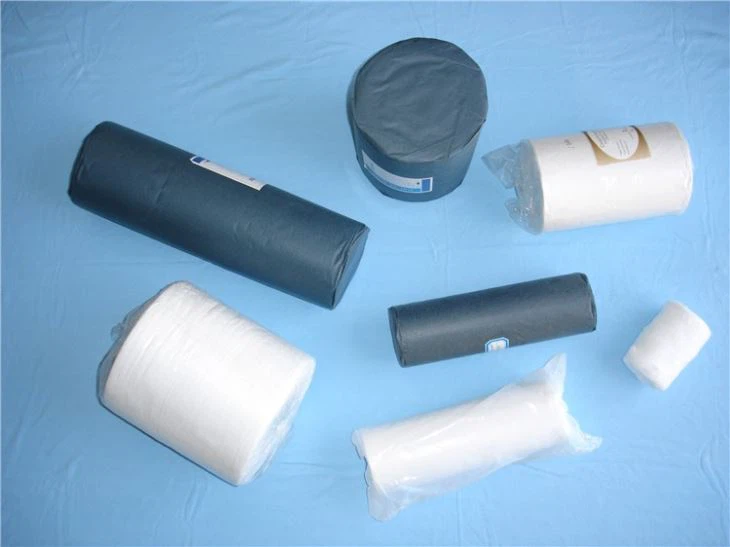
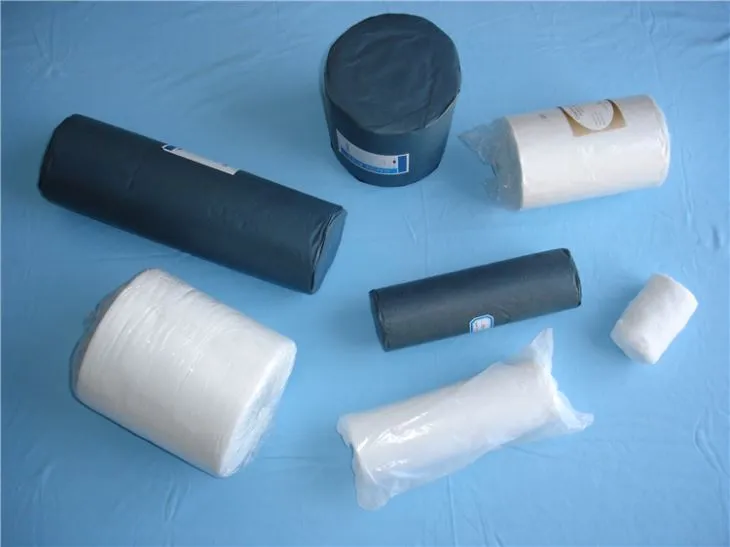
Cotton rolls are cylindrical pieces of cotton that come in various sizes and densities. They are typically made from pure cotton, which is a natural fiber known for its softness, absorbency, and hypoallergenic properties. There are different types of cotton rolls available, such as the Cotton Wool Roll and the Dental Roll. The Cotton Wool Roll is often used in general medical and hygienic applications, while the Dental Roll is specifically designed for dental procedures.
Advantages of Using Cotton Rolls in First - Aid
- Absorbency One of the primary advantages of cotton rolls in first - aid is their high absorbency. In cases of minor bleeding, such as cuts or abrasions, cotton rolls can quickly soak up the blood, helping to stop the bleeding. The cotton fibers create a capillary action that draws the blood into the roll, preventing it from spreading and making it easier to clean the wound. For example, if someone has a small cut on their finger, placing a cotton roll over the wound can absorb the blood and allow for a more controlled cleaning and dressing process.
- Softness and Comfort Cotton is a soft and gentle material, which makes cotton rolls ideal for use on sensitive skin. When applied to a wound, they do not cause additional irritation or discomfort, unlike some synthetic materials. This is especially important for first - aid, as the goal is to provide care without causing further pain to the injured person. For instance, when treating a burn or a rash, a cotton roll can be used to apply ointments or medications gently, minimizing any potential pain.
- Versatility Cotton rolls can be used in a variety of first - aid scenarios. They can be used as a simple dressing for minor wounds, as a padding to protect a bruised area, or even as a tool for applying antiseptics. In addition, they can be easily cut or torn to fit the size and shape of the wound, making them a highly adaptable first - aid resource. For example, if a large area needs to be covered, multiple cotton rolls can be used side by side, or they can be cut into smaller pieces for more precise application.
- Hypoallergenic Since cotton is a natural fiber, cotton rolls are generally hypoallergenic. This means that they are less likely to cause an allergic reaction in most people, even those with sensitive skin. In first - aid situations, where the focus is on treating the injury rather than dealing with potential allergic responses, the hypoallergenic nature of cotton rolls is a significant advantage.
Limitations of Using Cotton Rolls in First - Aid
- Not Suitable for Deep Wounds While cotton rolls are effective for minor cuts and abrasions, they are not suitable for deep or severe wounds. Deep wounds may require more advanced first - aid techniques, such as direct pressure with a sterile dressing and possible suturing. Cotton rolls may not be able to provide the necessary pressure or prevent excessive bleeding in these cases. Additionally, if a cotton roll is used in a deep wound, there is a risk of fibers getting stuck in the wound, which can lead to infection.
- Limited Antibacterial Properties Although cotton is a natural material, it does not have strong antibacterial properties on its own. In first - aid, preventing infection is crucial, especially for open wounds. While cotton rolls can be used in conjunction with antiseptic solutions, they do not offer inherent protection against bacteria. Therefore, it is important to clean the wound thoroughly and apply appropriate antibacterial agents when using cotton rolls for first - aid.
- May Need to Be Changed Regularly Once a cotton roll has absorbed blood or other fluids, it can become a breeding ground for bacteria. Therefore, it is necessary to change the cotton roll regularly to prevent infection. This can be inconvenient, especially in situations where immediate medical attention is not readily available.
Specific Applications of Cotton Rolls in First - Aid
- Wound Cleaning Cotton rolls can be used to clean wounds gently. They can be soaked in a mild antiseptic solution, such as saline or hydrogen peroxide, and then used to wipe away dirt, debris, and blood from the wound. The softness of the cotton ensures that the wound is not further irritated during the cleaning process.
- Bleeding Control As mentioned earlier, cotton rolls are effective in controlling minor bleeding. By applying gentle pressure with a cotton roll over a cut or abrasion, the bleeding can be stopped within a few minutes. Once the bleeding has stopped, the cotton roll can be left in place as a temporary dressing until further treatment is available.
- Applying Medications Cotton rolls can be used to apply topical medications, such as ointments or creams, to a wound. They provide a clean and controlled way to apply the medication, ensuring that it is evenly distributed over the affected area. This is particularly useful for burns, rashes, and other skin conditions.
- Protecting Bruised Areas In cases of bruises, cotton rolls can be used as padding to protect the injured area from further impact. They can be wrapped around the bruised area or placed between the skin and a bandage to provide a cushioning effect.
How to Use Cotton Rolls for First - Aid
- Prepare the Wound Before using a cotton roll, it is important to clean the wound with soap and water or a mild antiseptic solution. This helps to remove any dirt or bacteria from the wound, reducing the risk of infection.
- Choose the Right Size of Cotton Roll Select a cotton roll that is appropriate for the size of the wound. If the wound is small, a small cotton roll may be sufficient. For larger wounds, multiple cotton rolls or a larger - sized roll may be needed.
- Apply the Cotton Roll If the wound is bleeding, place the cotton roll directly over the wound and apply gentle pressure. Hold the cotton roll in place for a few minutes until the bleeding stops. If you are using the cotton roll to apply medication, soak the roll in the medication and then gently apply it to the wound.
- Secure the Cotton Roll Once the cotton roll is in place, you can secure it with a bandage or adhesive tape. Make sure that the bandage is not too tight, as this can restrict blood flow to the area.
- Monitor the Wound Check the wound regularly to ensure that it is healing properly. If the cotton roll becomes wet or dirty, or if there are signs of infection, such as redness, swelling, or pus, change the cotton roll and seek medical attention if necessary.
Conclusion
In conclusion, cotton rolls can be a valuable addition to any first - aid kit. Their absorbency, softness, versatility, and hypoallergenic nature make them suitable for a variety of minor first - aid applications. However, it is important to be aware of their limitations and use them appropriately. They are not a substitute for professional medical care, especially in cases of severe injuries.
As a cotton roll supplier, we are committed to providing high - quality cotton rolls that meet the needs of our customers. Our products are carefully manufactured to ensure maximum absorbency, softness, and purity. If you are interested in purchasing our cotton rolls for your first - aid needs or other applications, we invite you to contact us for a procurement discussion. We look forward to working with you to meet your requirements.

References
- American Red Cross. First Aid Manual.
- Mayo Clinic. First Aid Guide.
- World Health Organization. Guidelines on First Aid.