





Hey there, fellow dental enthusiasts! I'm an enthusiastic supplier of Dental Rolls, and today, I'm super stoked to dig deep into a question that's been buzzing around the dental community: Can dental rolls be used for dental implant restoration?
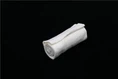
First off, let's quickly understand what dental rolls are. Dental rolls, also known as Cotton Wool Roll, are small, cylindrical pieces of absorbent cotton. You can find them in different sizes, and they're commonly used in dental settings. Their main job is to soak up saliva and other fluids in the mouth during various dental procedures. They're like little sponges that help keep the treatment area dry and clean.
Now, onto dental implant restoration. This is a big deal in modern dentistry. When someone loses a tooth, a dental implant can be a great solution. It involves placing an artificial tooth root (the implant) into the jawbone, and then attaching a crown or other restoration on top. This restores the function and appearance of the missing tooth. It's a multi - step process that requires precision and a clean, dry working environment.
So, can dental rolls play a role in this process? Let's break it down step - by - step.
During the Implant Placement Surgery
When the dentist is placing the implant into the jawbone, it's crucial to keep the surgical site dry. Saliva can contaminate the area and increase the risk of infection. That's where dental rolls come in handy. The dentist can place these rolls around the surgical site to absorb any saliva that might seep in. They're soft and flexible, so they can be easily positioned to fit around the teeth and gums without causing too much discomfort to the patient.
For example, if the patient has a tendency to produce a lot of saliva, multiple dental rolls can be used to ensure continuous absorption. This helps the dentist to clearly see what they're doing and perform the procedure more accurately. It also reduces the chances of any fluid getting into the implant socket, which could interfere with the healing process.
After the Implant Placement
After the implant is placed, the area needs to heal properly. During this healing period, the patient may still produce saliva, and there could be some minor bleeding or oozing from the surgical site. Dental rolls can be used to gently absorb this fluid. They can be placed near the implant site to keep it clean and dry, which promotes faster healing.
Moreover, they can also provide a bit of gentle pressure on the area, which can help with hemostasis (stopping the bleeding). This is especially important in the first few hours after the surgery when the risk of bleeding is the highest.
During the Restoration Phase
Once the implant has healed, it's time to attach the restoration, like a crown. Again, a dry environment is essential for a good bond between the implant and the restoration. Dental rolls can be used to isolate the implant area from saliva. The dentist can place them around the implant and adjacent teeth to create a dry field. This allows for better cementation of the crown or other restoration, ensuring a strong and long - lasting bond.
Advantages of Using Dental Rolls in Implant Restoration
There are several benefits to using dental rolls in dental implant restoration. Firstly, they're cost - effective. Compared to some other specialized dental materials, dental rolls are relatively inexpensive. This makes them a practical choice for both dentists and patients.
Secondly, they're easy to use. Dentists are already familiar with using dental rolls in various procedures, so incorporating them into implant restoration is a no - brainer. They don't require any special training or equipment to use.


Thirdly, they're safe. Dental rolls are made of natural cotton, which is biocompatible. This means they're less likely to cause an allergic reaction in patients. They're also gentle on the soft tissues in the mouth, so they won't cause any damage or irritation during use.
Limitations and Considerations
Of course, dental rolls aren't a one - size - fits - all solution. They have some limitations. For instance, they have a limited absorption capacity. If there's a large amount of fluid, such as heavy bleeding, they may need to be replaced frequently.
Also, in some cases, the patient's anatomy might make it difficult to position the dental rolls effectively. For example, if the patient has a very deep or narrow oral cavity, it might be challenging to place the rolls in the right position to absorb all the fluid.
Another thing to consider is that dental rolls need to be changed regularly to maintain their effectiveness. If they're left in the mouth for too long, they can become saturated and start to release the absorbed fluid back into the mouth, which defeats the purpose.
Quality Matters
As a Dental Roll supplier, I can't stress enough the importance of using high - quality dental rolls. Low - quality rolls may not absorb fluids as well, and they could even shed fibers into the mouth, which is a big no - no in a dental procedure.
At our company, we take great care in manufacturing Dental Roll that are of the highest quality. Our rolls are made from pure, soft cotton that has excellent absorption properties. They're also carefully processed to ensure that they don't shed any fibers.
Conclusion
In conclusion, dental rolls can definitely be used for dental implant restoration. They play a crucial role in keeping the surgical and restoration sites dry and clean throughout the entire process. From the initial implant placement to the final restoration, dental rolls are a simple yet effective tool that can enhance the success of the procedure.
If you're a dentist or a dental professional looking for high - quality dental rolls for your implant restoration procedures, I'd love to hear from you. We're always happy to discuss your needs and provide you with the best products at competitive prices. Whether you need a small quantity for a trial or a large order for your practice, we've got you covered.
So, don't hesitate to reach out and start a conversation. Let's work together to make dental implant restoration even better!
References
- Cohen, S., & Hargreaves, K. M. (Eds.). (2018). Pathways of the Pulp. Elsevier.
- Newman, M. G., Takei, H. H., Klokkevold, P. R., & Carranza, F. A. (2017). Carranza's Clinical Periodontology. Elsevier.