



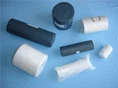
Gauze pads are a common medical supply found in hospitals, clinics, and first aid kits around the world. As a supplier of high - quality gauze pads, I often receive questions about their various applications, especially whether they can be used in surgery. In this blog post, I'll explore this topic in depth, discussing the types of gauze pads, their suitability for surgical use, and the factors to consider.
Types of Gauze Pads
Before delving into surgical applications, it's important to understand the different types of gauze pads available. There are mainly two broad categories based on their sterility: Unsterilized Gauze Pad and Sterilized Gauze Pad.
Unsterilized Gauze Pad: Unsterilized gauze pads, as the name suggests, are not treated to eliminate all microorganisms. These pads are typically used for non - critical wound care or pre - surgical skin preparation. You can find more information about them on our website: Unsterilized Gauze Pad. They are often used in situations where the risk of infection is relatively low, such as cleaning the skin surface around a wound before a minor procedure. However, they are not suitable for direct contact with open surgical wounds.
Sterilized Gauze Pad: Sterilized gauze pads are processed to ensure they are free from viable microorganisms. This makes them suitable for use in surgical settings. These pads are carefully packaged and sterilized using methods such as gamma irradiation or ethylene oxide gas. When a surgeon makes an incision, these pads can be used to absorb blood, clean the surgical site, and protect the wound from contamination. For detailed product information, please visit Sterilized Gauze Pad.
In addition to sterility, there is also a special type of gauze pad called the Non Adherent Pad. Non Adherent Pad is designed with a special coating that prevents it from sticking to the wound. This is particularly useful in surgical wound dressing, as it can reduce pain and trauma when the dressing is changed.
Can Gauze Pads Be Used in Surgery?
The answer is yes, but with strict conditions. Gauze pads play several crucial roles in surgery:
Absorbing Blood and Fluids: During surgery, there is often significant bleeding. Sterilized gauze pads are used to absorb this blood and other bodily fluids, keeping the surgical field clear. Surgeons can quickly place the pads on the bleeding area to control the flow and gain better visibility of the surgical site. This helps in performing precise surgical maneuvers and reduces the risk of complications due to obscured vision.
Protecting the Wound: Gauze pads can act as a physical barrier between the surgical wound and the external environment. They prevent foreign objects, such as dust or bacteria, from entering the wound, thereby reducing the risk of infection. After the surgical procedure is completed, a sterile gauze pad is usually placed over the wound as an initial dressing.
Cleaning the Surgical Site: Gauze pads are used to clean the surgical area of debris, blood clots, and other contaminants. They can be moistened with a sterile saline solution to gently wipe the area, ensuring a clean environment for wound healing.


However, using gauze pads in surgery requires strict adherence to aseptic techniques. Any breach in sterility can lead to serious post - surgical infections. The surgical team must handle the gauze pads with sterile gloves and use only the appropriate type of pad for the specific surgical situation.
Factors to Consider When Using Gauze Pads in Surgery
Quality and Purity: The quality of the gauze pad is of utmost importance. It should be made from high - quality materials that are free from impurities. Low - quality gauze may shed fibers, which can remain in the wound and cause inflammation or other complications. Our company ensures that all our surgical gauze pads are made from pure, high - grade cotton and undergo strict quality control measures to meet the highest standards.
Size and Thickness: Different surgical procedures may require different sizes and thicknesses of gauze pads. For example, a small, thin pad may be sufficient for a minor eye surgery, while a larger, thicker pad may be needed for a major abdominal surgery. Surgeons need to select the appropriate size and thickness based on the surgical site and the expected amount of bleeding.
Sterility Assurance: The sterility of the gauze pad must be guaranteed. This means that the packaging should be intact and have a clear indication of the sterilization date and method. If the packaging is damaged or the expiration date has passed, the gauze pad should not be used in surgery.
Risks Associated with Gauze Pad Use in Surgery
While gauze pads are essential in surgery, there are also some potential risks:
Retained Gauze: One of the most serious complications is the accidental retention of a gauze pad inside the patient's body. This can occur if the surgical team fails to account for all the gauze pads used during the procedure. Retained gauze can lead to infection, abscess formation, and other long - term health problems. To prevent this, hospitals usually have strict counting procedures, where the number of gauze pads brought into the operating room is carefully recorded, and all pads are accounted for before closing the surgical wound.
Allergic Reactions: Some patients may be allergic to the materials used in gauze pads, such as cotton or the chemicals used in the sterilization process. Allergic reactions can range from mild skin irritation to more severe systemic reactions. Before using a gauze pad in surgery, the surgical team should be aware of the patient's allergy history.
Conclusion
In conclusion, gauze pads can and do play a vital role in surgery when used correctly. As a reliable gauze pad supplier, we are committed to providing high - quality, sterile products that meet the strict requirements of surgical use. Our range of products, including Unsterilized Gauze Pad, Sterilized Gauze Pad, and Non Adherent Pad, are designed to address the diverse needs of the medical field.
If you are a medical institution, surgeon, or distributor interested in procuring our gauze pads, we welcome you to contact us for further details and to start a procurement discussion. We are dedicated to providing excellent products and services to support your surgical needs.
References
- Smith, J. R., & Johnson, M. K. (2018). Surgical Instrumentation and Techniques. Elsevier.
- American College of Surgeons. (2020). Standards for the Surgical Care Improvement Project.
- Centers for Disease Control and Prevention. (2019). Guidelines for Preventing Surgical Site Infections.