



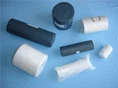




Pressure ulcers, also known as bedsores or decubitus ulcers, are a significant health concern, particularly for individuals with limited mobility. These ulcers develop when there is prolonged pressure on the skin, leading to damage of underlying tissues. As a gauze pad supplier, I often encounter questions about whether gauze pads can be used on pressure ulcers. In this blog, I will explore this topic in detail, discussing the suitability of different types of gauze pads for pressure ulcer treatment.
Understanding Pressure Ulcers
Before delving into the use of gauze pads, it is essential to understand the nature of pressure ulcers. They typically occur over bony prominences such as the heels, hips, and sacrum. The severity of pressure ulcers is classified into four stages:
- Stage 1: Non-blanchable erythema of intact skin, indicating potential tissue damage.
- Stage 2: Partial-thickness skin loss involving the epidermis, dermis, or both, presenting as an abrasion, blister, or shallow crater.
- Stage 3: Full-thickness skin loss involving damage or necrosis of subcutaneous tissue that may extend down to, but not through, underlying fascia.
- Stage 4: Full-thickness tissue loss with exposed bone, tendon, or muscle.
Proper wound care is crucial for the healing of pressure ulcers, and the choice of dressing plays a vital role in this process.
The Role of Gauze Pads in Wound Care
Gauze pads have been a staple in wound care for many years. They are made of woven or non - woven fibers and come in various sizes, thicknesses, and levels of sterility. The primary functions of gauze pads in wound care include:
- Absorbing exudate: Gauze pads can absorb the fluid (exudate) that oozes from the wound, which helps keep the wound clean and reduces the risk of infection.
- Protecting the wound: They act as a physical barrier, preventing external contaminants from entering the wound.
- Debriding the wound: In some cases, gauze pads can be used to gently remove dead tissue from the wound surface.
Can Gauze Pads be Used on Pressure Ulcers?
The answer is yes, but with some considerations. The suitability of gauze pads for pressure ulcers depends on several factors, including the stage of the ulcer, the amount of exudate, and the patient's overall condition.


For Stage 1 Pressure Ulcers
Stage 1 pressure ulcers are characterized by intact skin with non - blanchable redness. In this stage, the goal is to relieve pressure and prevent further damage. A non - adherent, breathable dressing can be used to protect the area. Non Adherent Pad can be a suitable option as it will not stick to the skin, reducing the risk of further irritation when the dressing is changed. These pads provide a gentle barrier while allowing the skin to breathe.
For Stage 2 Pressure Ulcers
Stage 2 pressure ulcers involve partial - thickness skin loss. The wound may have some exudate, and the dressing should be able to absorb this fluid while maintaining a moist environment to promote healing. Sterilized Gauze Pad can be an effective choice. Sterile gauze pads are free from microorganisms, reducing the risk of infection. They can absorb moderate amounts of exudate and can be easily cut to fit the size of the wound.
For Stage 3 and 4 Pressure Ulcers
Stage 3 and 4 pressure ulcers are more severe, with full - thickness skin loss and possible involvement of underlying tissues. These ulcers usually produce a large amount of exudate. While gauze pads can be used, they may need to be changed more frequently to keep up with the exudate production. In some cases, multiple layers of gauze may be required. However, for very deep or large ulcers, additional wound - care products such as hydrocolloids or foams may be used in combination with gauze pads. Non - Sterile Non - woven Pad can be used in the initial debridement phase or as a secondary dressing under other wound - care products. Non - woven pads are often more absorbent and can handle larger volumes of exudate.
Advantages and Disadvantages of Using Gauze Pads on Pressure Ulcers
Advantages
- Cost - effective: Gauze pads are generally more affordable compared to some advanced wound - care products, making them a practical choice for long - term wound management, especially in resource - limited settings.
- Versatile: They can be used in various stages of pressure ulcers and can be combined with other wound - care treatments.
- Readily available: Gauze pads are widely available in pharmacies, hospitals, and medical supply stores.
Disadvantages
- Adherence to the wound: Gauze pads can sometimes stick to the wound, especially when the exudate dries. This can cause pain and damage to the newly formed tissue when the dressing is removed.
- Limited moisture - retention: While they can absorb exudate, gauze pads may not maintain an optimal moist environment for wound healing as well as some specialized dressings.
- Risk of fiber shedding: There is a risk of gauze fibers being left in the wound, which can potentially cause inflammation or infection.
Best Practices for Using Gauze Pads on Pressure Ulcers
- Proper sizing: Cut the gauze pad to fit the size of the wound precisely. This helps to avoid unnecessary contact with healthy skin and reduces the risk of irritation.
- Sterile technique: When using sterile gauze pads, ensure that proper aseptic technique is followed to prevent contamination of the wound.
- Regular dressing changes: Change the gauze pads according to the amount of exudate. For ulcers with high exudate, more frequent changes may be required.
- Moisturization: If the gauze pad dries out and adheres to the wound, moisten it with a sterile saline solution before removal to minimize pain and tissue damage.
Conclusion
In conclusion, gauze pads can be a valuable tool in the treatment of pressure ulcers. Their effectiveness depends on the stage of the ulcer, the amount of exudate, and proper application. As a gauze pad supplier, I offer a range of high - quality Sterilized Gauze Pad, Non - Sterile Non - woven Pad, and Non Adherent Pad to meet the diverse needs of pressure ulcer management.
If you are involved in wound care, whether you are a healthcare professional, a caregiver, or a facility manager, I encourage you to reach out for more information about our products. We are committed to providing reliable and cost - effective solutions for pressure ulcer treatment. Contact us to discuss your specific requirements and explore how our gauze pads can contribute to better wound - care outcomes.
References
- National Pressure Ulcer Advisory Panel (NPUAP). Pressure Ulcer Staging System.
- Wound, Ostomy and Continence Nurses Society (WOCN). Best Practice Recommendations for Pressure Ulcer Prevention and Management.
- Bryant, R. A., & Nix, D. P. (2016). Acute and Chronic Wounds: Current Management Concepts. Elsevier.