


Nail infections can be a pesky and often uncomfortable problem that many people face at some point in their lives. Whether it's a fungal infection, a bacterial infection, or an ingrown nail complication, finding an effective treatment is crucial. As a supplier of Iodine Swabs, I often get asked the question: Can iodine swabs be used for nail infections? In this blog post, I'll explore this question in depth, looking at the science behind iodine's effectiveness, how to use iodine swabs for nail infections, and some additional considerations.
Understanding Nail Infections
Before we delve into the use of iodine swabs, it's important to understand the different types of nail infections. Fungal nail infections, also known as onychomycosis, are one of the most common types. They are caused by various fungi, such as dermatophytes, yeasts, and molds. These infections typically cause the nail to become thickened, discolored (usually yellow or brown), brittle, and may lead to pain or discomfort.


Bacterial nail infections, on the other hand, can occur due to cuts, injuries, or the presence of bacteria like Staphylococcus aureus or Pseudomonas aeruginosa. Symptoms may include redness, swelling, pain, and sometimes the formation of pus.
Ingrown nails can also lead to infections when the nail grows into the surrounding skin, causing irritation, inflammation, and potential bacterial invasion.
The Science Behind Iodine and Its Antimicrobial Properties
Iodine has long been recognized for its powerful antimicrobial properties. It works by penetrating the cell walls of microorganisms and disrupting their metabolic processes, ultimately leading to their death. This broad - spectrum activity makes it effective against a wide range of bacteria, fungi, and viruses.
In the context of nail infections, iodine can help to kill the causative agents, whether they are fungi or bacteria. It can also reduce inflammation and prevent the spread of the infection. When applied topically, iodine can reach the affected area and start working immediately to combat the pathogens.
Using Iodine Swabs for Nail Infections
Iodine swabs are a convenient and hygienic way to apply iodine to the affected nail. Here's a step - by - step guide on how to use them:
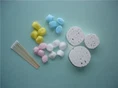
- Prepare the area: Wash your hands thoroughly with soap and water. Then, gently clean the infected nail and the surrounding skin with a Sterile Non - woven Gauze Ball soaked in warm water. Pat the area dry with a clean towel.
- Open the iodine swab: Carefully open the packaging of the iodine swab. Make sure not to touch the tip of the swab to avoid contamination.
- Apply the iodine: Gently rub the tip of the iodine swab over the entire infected nail, including the edges and the area where it meets the skin. Make sure to cover the affected area completely. You can use multiple swabs if necessary.
- Let it dry: Allow the iodine to dry on the nail. Do not rinse it off immediately. This will give the iodine time to work on the pathogens.
- Repeat the process: Depending on the severity of the infection, you may need to repeat this process 2 - 3 times a day. It's important to follow a consistent treatment schedule for the best results.
Advantages of Using Iodine Swabs
- Convenience: Iodine swabs are pre - saturated with iodine, making them easy to use. You don't need to measure or mix any solutions, and they can be carried around easily for on - the - go treatment.
- Hygiene: Each swab is individually packaged, which helps to prevent contamination and ensures that you are using a clean and sterile product every time.
- Targeted application: You can apply the iodine directly to the infected area, minimizing the risk of irritation to the surrounding healthy skin.
Additional Considerations
While iodine swabs can be effective for many nail infections, there are some things to keep in mind:
- Allergic reactions: Some people may be allergic to iodine. Before using iodine swabs on a large area, it's a good idea to do a patch test on a small area of skin. If you experience any itching, redness, or swelling, stop using the swabs immediately and consult a healthcare professional.
- Combination therapy: In some cases, iodine swabs may be used in combination with other treatments. For example, if you have a severe fungal infection, your doctor may prescribe an oral antifungal medication in addition to using iodine swabs.
- Long - term use: Prolonged use of iodine can sometimes cause skin irritation or staining. If you notice any adverse effects, reduce the frequency of application or stop using the swabs and consult a doctor.
Other Products That Can Complement Iodine Swab Treatment
In addition to iodine swabs, there are other products that can be used in conjunction with the treatment of nail infections. For example, a Mini Dressing Bandage can be used to protect the infected nail after applying iodine. It can prevent further contamination and keep the area clean.
Sterile Lap Sponge can also be useful for cleaning the area before and after applying the iodine swabs. They are large enough to cover the nail and the surrounding skin, ensuring a thorough cleaning.
Conclusion
In conclusion, iodine swabs can be a valuable tool in the treatment of nail infections. Their antimicrobial properties make them effective against a wide range of pathogens, and their convenience and hygiene make them a popular choice. However, it's important to use them correctly and be aware of any potential side effects.
If you're dealing with a nail infection, consider giving iodine swabs a try. And as a supplier of high - quality iodine swabs, I'm here to provide you with the best products for your needs. Whether you're a healthcare professional, a pharmacy, or an individual looking for an effective treatment option, we can offer you reliable and affordable iodine swabs.
If you're interested in purchasing our iodine swabs or have any questions about their use, please feel free to reach out to us. We're more than happy to assist you with your procurement needs and provide you with all the information you need to make an informed decision.
References
- "Antiseptics and Disinfectants: Activity, Action, and Resistance" by McDonnell and Russell, Clinical Microbiology Reviews.
- "Onychomycosis: Diagnosis and Treatment" by Elewski and Rich, American Family Physician.
- "The Antimicrobial Activity of Iodine and Its Clinical Applications" by A. J. Fox, Journal of Hospital Infection.