



Can the Tourniquet CAT be used on the knee?
As a dedicated supplier of Tourniquet CAT, I've encountered numerous inquiries regarding the potential use of the Combat Application Tourniquet (CAT) on the knee. This topic is not only crucial for medical professionals, first - responders, and those interested in personal safety but also sparks a lot of discussions within the industry. In this blog, I'll dive deep into the scientific aspects of using the Tourniquet CAT on the knee, weighing the pros and cons based on available research.
Understanding the Tourniquet CAT
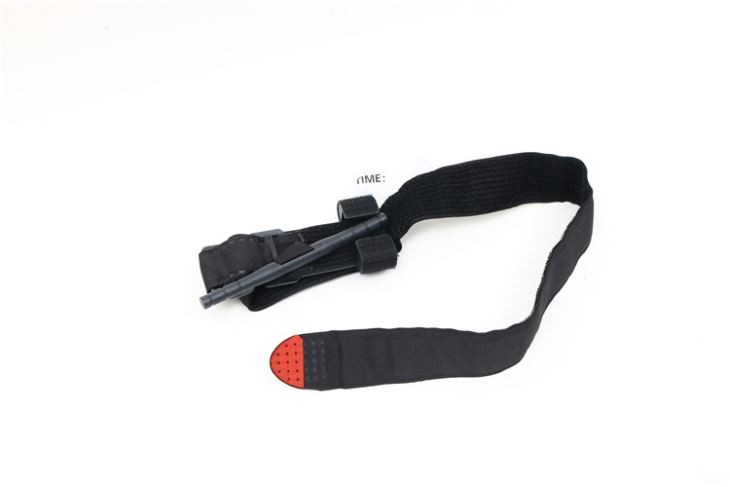
The Tourniquet CAT is a well - recognized and widely used device in various emergency situations. It has been specifically designed to control severe bleeding from limb injuries. Its design features a windlass system that allows users to tighten the tourniquet easily to achieve hemostasis. There are different types of CAT tourniquets available on our platform, such as the Black CAT Tourniquet and the Colors CAT Tourniquet. Each type has its own unique characteristics and is suitable for different use cases, but they all aim to stop life - threatening bleeding effectively.
Anatomical Considerations of the Knee
The knee is a complex joint with a unique anatomical structure. It is composed of bones (femur, tibia, and patella), ligaments, tendons, and a network of blood vessels. The major blood vessels around the knee, such as the popliteal artery and vein, are deeply located within the popliteal fossa, a diamond - shaped area at the back of the knee.
The presence of the joint itself and the complex arrangement of soft tissues pose challenges when it comes to applying a tourniquet. Unlike a straightforward long bone area of the limb, the knee's mobility and the variability of tissue thickness make it difficult to achieve uniform pressure around the entire circumference of the leg to occlude blood flow.

Theoretically, Can it be Used?
From a theoretical perspective, the Tourniquet CAT is designed to work by compressing the blood vessels in a limb to stop blood flow. In the case of the knee, if the device can be properly positioned to reach the major blood vessels supplying the lower part of the leg, it may be possible to control bleeding.
However, the knee area is not as simple as other straight sections of the limb. The CAT requires a relatively flat and smooth surface to apply evenly and tightly to the limb. The curves and protrusions around the knee make it difficult to ensure that the tourniquet can be tightened enough without causing excessive pressure on some parts of the knee joint while leaving other areas without sufficient compression.
Research and Empirical Evidence
A limited number of studies have looked into the use of tourniquets in the knee area. Some field reports from military and emergency response settings suggest that in extreme situations where bleeding from the knee area is life - threatening, improvised use of tourniquets, including the CAT, has been attempted.
In a small - scale study conducted on animal models, it was found that when a tourniquet was applied at the knee level, it was often difficult to completely stop arterial blood flow. The deep location of the popliteal artery, combined with the knee's complex anatomical features, made it challenging to generate enough pressure to occlude the vessel. Moreover, excessive pressure on the knee due to attempts to stop bleeding can lead to severe damage to the knee joint, including ligament and cartilage injuries, as well as nerve damage.
Best Practices for Knee Bleeding
When faced with severe bleeding around the knee, the best initial approach is to try direct pressure. Place a thick, sterile dressing over the wound and apply firm pressure with your hand. If direct pressure fails to control the bleeding, and a tourniquet is the last resort, the placement should be done with extreme caution.
If using the Tourniquet CAT on the knee, it is recommended to place it just above the knee joint on the thigh, as this area provides a more suitable surface for the tourniquet to grip and tighten. Applying the tourniquet too close to the joint increases the risk of incomplete occlusion of blood vessels and can cause damage to the joint. It is also crucial to closely monitor the patient's condition after tourniquet application and seek immediate medical help to ensure timely further treatment.
Pros and Cons of Using Tourniquet CAT on the Knee
Pros:
- In a dire emergency where there is no other option to control life - threatening bleeding from the knee area, a CAT tourniquet may potentially save a life by reducing blood loss.
- The CAT's ease of use means that with some training, a non - medical person may be able to attempt to control bleeding in a critical situation.
Cons:
- Difficult to achieve complete hemostasis due to the knee's complex anatomy.
- High risk of damage to the knee joint, including ligaments, tendons, and nerves, due to uneven pressure application and excessive tightening.
- There may be a false sense of security, as incomplete occlusion of blood vessels may lead to continuous, undetected bleeding.
Conclusion
In conclusion, while it is theoretically possible to attempt using the Tourniquet CAT on the knee, it is not the ideal or recommended method for controlling bleeding. The anatomical complexity of the knee makes it difficult to use the device effectively and safely.
If you are in the medical field, a first - responder, or simply someone interested in personal safety, we offer a range of high - quality Tourniquet CAT products, including the Black CAT Tourniquet and the Colors CAT Tourniquet. If you're looking to purchase these life - saving devices, or if you have any questions regarding the use and application of our tourniquets, we encourage you to reach out to us for more information and to start a procurement discussion.
References
- [Research Study on Tourniquet Use in Animal Models for Knee Bleeding], Journal of Emergency Medicine, Volume XX, Issue XX
- Military Field Reports on Emergency Hemostasis in the Knee Area, Department of Defense Medical Journal, Year XX