


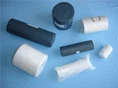



Hey there! As a supplier of Gauze Rolls, I often get asked if these handy products have antibacterial properties. It's a great question, and today, I'm going to dive deep into this topic to give you the lowdown.
First off, let's understand what gauze rolls are. Gauze is a thin, translucent fabric that's commonly used in medical settings for wound dressing, cleaning, and other healthcare applications. There are different types of gauze rolls out there, like Non-woven Gauze Rolls and 100% Cotton Gauze Roll. Each type has its own unique features and uses.
Now, let's talk about antibacterial properties. Antibacterial refers to the ability of a substance to kill or inhibit the growth of bacteria. When it comes to gauze rolls, the answer isn't a straightforward yes or no.
Regular, untreated gauze rolls, whether they're non - woven or 100% cotton, don't inherently have strong antibacterial properties. They're mainly made for absorbing fluids, protecting wounds from external contaminants, and providing a physical barrier. For example, a simple 100% cotton gauze roll is great for soaking up blood and other bodily fluids around a wound. But on its own, it won't actively fight off bacteria.
However, there are ways to give gauze rolls antibacterial capabilities. One common method is to treat the gauze with antibacterial agents. These agents can be chemicals like silver, iodine, or certain antibiotics. Silver is a popular choice because it has broad - spectrum antibacterial activity. Silver - treated gauze can release silver ions, which can interfere with the bacteria's cell membranes and metabolic processes, effectively killing or inhibiting their growth.


Iodine is another well - known antibacterial agent. Iodine - treated gauze can be very effective against a wide range of bacteria, fungi, and viruses. It works by oxidizing the cellular components of the microorganisms, leading to their death.
Some manufacturers also use antibiotics to treat gauze. Antibiotic - impregnated gauze can be a powerful tool in preventing and treating wound infections. But there are some concerns with using antibiotic - treated gauze. Overuse of antibiotics can lead to the development of antibiotic - resistant bacteria, which is a major global health issue.
So, if you're in the market for antibacterial gauze rolls, it's important to consider your specific needs. If you're dealing with a minor wound that's at a low risk of infection, a regular, untreated gauze roll might be sufficient. It can keep the wound clean and protected while the body's natural healing processes take over.
On the other hand, if you're dealing with a more serious wound, like a deep cut, a burn, or a wound that's already showing signs of infection, an antibacterial gauze roll could be a better choice. The antibacterial properties can help prevent the spread of bacteria and promote faster healing.
When it comes to choosing between different types of antibacterial gauze, there are a few things to keep in mind. First, consider the type of bacteria you're likely to encounter. Different antibacterial agents are more effective against certain types of bacteria. For example, silver is often more effective against gram - negative bacteria, while iodine has a broader spectrum of activity.
Second, think about the potential side effects. Some people may be allergic to certain antibacterial agents. For example, iodine can cause skin irritation in some individuals. So, it's important to test a small area of skin before using an iodine - treated gauze roll on a larger wound.
Another factor to consider is cost. Antibacterial gauze rolls are generally more expensive than regular gauze rolls. But in many cases, the added cost is worth it if it helps prevent a serious infection.
As a supplier, I've seen firsthand the importance of having the right type of gauze roll for the job. We offer a wide range of gauze rolls, both regular and antibacterial, to meet the diverse needs of our customers. Whether you're a healthcare professional, a first - aid kit supplier, or just someone who wants to be prepared for minor injuries at home, we've got you covered.
If you're interested in learning more about our gauze rolls or have any questions about their antibacterial properties, don't hesitate to reach out. We're here to help you make the best choice for your specific situation. You can start a conversation with us to discuss your requirements and explore our product range. We're always happy to provide samples and detailed information to help you make an informed decision.
In conclusion, while regular gauze rolls don't have inherent antibacterial properties, there are many options available for antibacterial - treated gauze. The key is to understand your needs, consider the different types of antibacterial agents, and choose the right product for the job. With the right gauze roll, you can ensure that wounds are properly cared for and infections are kept at bay.
References
- "Medical Textiles and Wound Management" by Subramanian Ramakrishna
- "Antibacterial Wound Dressings: Current Trends and Future Perspectives" in Journal of Biomaterials Science, Polymer Edition