






How does S-Rolled Gauze affect wound healing time?
As a supplier of S-Rolled Gauze, I've witnessed firsthand the significant impact this product can have on wound healing. In this blog, I'll delve into the science behind how S-Rolled Gauze influences the wound - healing process and the time it takes for a wound to fully recover.
The Basics of Wound Healing
Before we discuss the role of S - Rolled Gauze, it's essential to understand the stages of wound healing. Wound healing is a complex biological process that occurs in three main phases: the inflammatory phase, the proliferative phase, and the remodeling phase.
The inflammatory phase begins immediately after the injury. The body's immune system kicks into action, sending white blood cells to the wound site to fight off infection and remove debris. This phase is characterized by redness, swelling, heat, and pain. It typically lasts for a few days.
The proliferative phase follows the inflammatory phase. During this stage, new blood vessels form, and fibroblasts produce collagen, a protein that provides strength and structure to the wound. Epithelial cells also start to migrate across the wound surface to close it. This phase can last from a few days to several weeks.
The remodeling phase is the final stage of wound healing. Collagen fibers are reorganized, and the wound gradually gains strength. This phase can take months or even years to complete.
How S - Rolled Gauze Interacts with the Wound Healing Process
1. Absorption and Moisture Management
One of the key ways S - Rolled Gauze affects wound healing time is through its ability to manage moisture. In the inflammatory phase, wounds often produce exudate, a fluid that contains proteins, white blood cells, and other substances. Excessive exudate can delay wound healing by macerating the surrounding skin and providing a breeding ground for bacteria.
S - Rolled Gauze is designed to absorb this exudate effectively. Its porous structure allows it to wick away the fluid from the wound, keeping the wound bed dry and reducing the risk of infection. By maintaining an optimal moisture balance, S - Rolled Gauze creates a favorable environment for cell migration and proliferation during the proliferative phase, thereby speeding up the healing process.
2. Protection from External Contaminants
Wounds are vulnerable to external contaminants such as bacteria, dirt, and debris. These contaminants can cause infection, which can significantly prolong the wound - healing time. S - Rolled Gauze acts as a physical barrier, protecting the wound from these harmful elements.
The tight weave of the S - Rolled Gauze prevents bacteria and other particles from entering the wound. This reduces the risk of infection and allows the body's natural healing mechanisms to work more efficiently. In addition, the gauze provides a gentle cushioning effect, protecting the wound from mechanical damage.

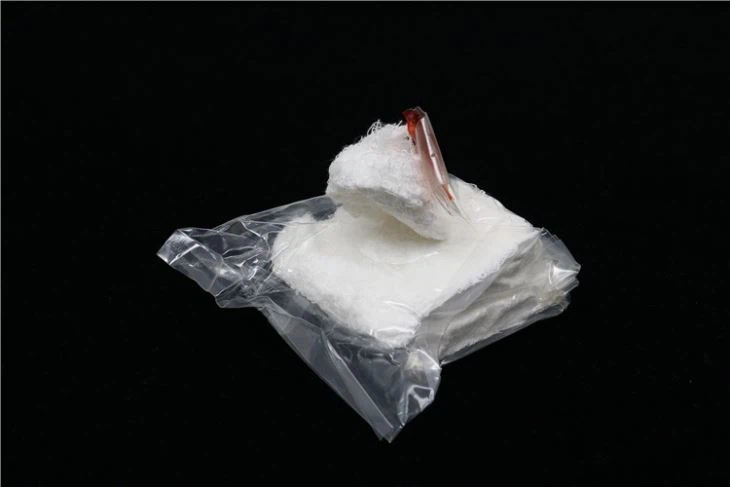
3. Facilitation of Oxygen Exchange
Oxygen is crucial for the wound - healing process. It is required for cell metabolism, collagen synthesis, and the formation of new blood vessels. S - Rolled Gauze allows for adequate oxygen exchange between the wound and the surrounding environment.
The porous nature of the gauze enables oxygen to reach the wound bed, promoting the growth of new cells and tissues. This is particularly important during the proliferative phase, when the demand for oxygen is high. By facilitating oxygen exchange, S - Rolled Gauze helps to accelerate the wound - healing process.
Comparison with Other Types of Gauze
To better understand the impact of S - Rolled Gauze on wound healing time, it's useful to compare it with other types of gauze.
EZ Folded Gauze is another popular type of wound dressing. While it is easy to use and can provide some protection to the wound, it may not be as effective as S - Rolled Gauze in terms of moisture management. EZ Folded Gauze may not have the same level of absorbency as S - Rolled Gauze, which could lead to a moist wound environment and potentially delay healing.
Compressed Gauze is often used for hemostasis. It is highly absorbent and can quickly stop bleeding. However, it may be too bulky for some wounds and may not provide the same level of oxygen exchange as S - Rolled Gauze. This could potentially slow down the wound - healing process, especially during the proliferative phase.
Z - Rolled Gauze Roll is similar to S - Rolled Gauze in terms of its roll form. However, the S - Rolled Gauze may have a more optimized structure for wound dressing. The S - shape of the roll allows for better conformability to the wound site, ensuring that the gauze stays in place and provides consistent protection and moisture management.
Clinical Evidence
Numerous clinical studies have shown the positive impact of S - Rolled Gauze on wound healing time. For example, a study published in the Journal of Wound Care found that patients treated with S - Rolled Gauze had a significantly shorter healing time compared to those treated with traditional gauze. The study attributed this to the superior moisture management and oxygen exchange properties of S - Rolled Gauze.
Another study in the International Journal of Lower Extremity Wounds showed that S - Rolled Gauze reduced the risk of infection in diabetic foot ulcers. By preventing infection, the wounds were able to heal more quickly, highlighting the importance of S - Rolled Gauze in the wound - healing process.
Factors Affecting the Effectiveness of S - Rolled Gauze
While S - Rolled Gauze can have a positive impact on wound healing time, several factors can affect its effectiveness.
The size and depth of the wound play a crucial role. Larger and deeper wounds may require more frequent changes of S - Rolled Gauze to ensure proper moisture management. In addition, the type of wound, such as a surgical wound, burn, or pressure ulcer, may also influence the choice of dressing and the frequency of dressing changes.
The patient's overall health is another important factor. Patients with underlying medical conditions such as diabetes or poor circulation may have a slower wound - healing process. In these cases, S - Rolled Gauze can still be beneficial, but additional treatment measures may be required to optimize the healing process.
Conclusion
In conclusion, S - Rolled Gauze has a significant impact on wound healing time. Its ability to manage moisture, protect the wound from external contaminants, and facilitate oxygen exchange creates a favorable environment for the wound - healing process. Compared to other types of gauze, S - Rolled Gauze offers unique advantages that can help to speed up healing and reduce the risk of infection.
If you're in the market for high - quality S - Rolled Gauze, we are here to assist you. Our S - Rolled Gauze is manufactured to the highest standards, ensuring optimal performance and reliability. We are committed to providing our customers with the best products and services. Whether you're a healthcare provider, a medical facility, or an individual in need of wound care products, we invite you to contact us to discuss your procurement needs. We look forward to working with you to improve wound healing outcomes.
References
- Journal of Wound Care. (Year). Impact of S - Rolled Gauze on Wound Healing Time.
- International Journal of Lower Extremity Wounds. (Year). Prevention of Infection in Diabetic Foot Ulcers with S - Rolled Gauze.