





Hey everyone! As a Compressed Gauze supplier, I've seen firsthand how important it is to secure this essential medical item properly on a wound. Today, I'm gonna share some tips on "How to secure compressed gauze in place on a wound."
First off, let's talk about why it's crucial to keep that compressed gauze firmly in position. When you place compressed gauze on a wound, it's there to absorb blood, prevent further contamination, and promote healing. If it shifts or falls off, all these functions are compromised. You don't want the wound to be exposed again, and you definitely don't want to lose the pressure that helps stop the bleeding.
Now, before we start securing the gauze, it's important to have the right materials. Obviously, you need Compressed Gauze. But you'll also need some sort of adhesive tape or a bandage. For smaller wounds, a simple adhesive tape can do the trick. It's easy to use and can hold the gauze firmly in place. Just make sure the tape is hypoallergenic to avoid any skin irritation, especially if the wound is on sensitive skin.
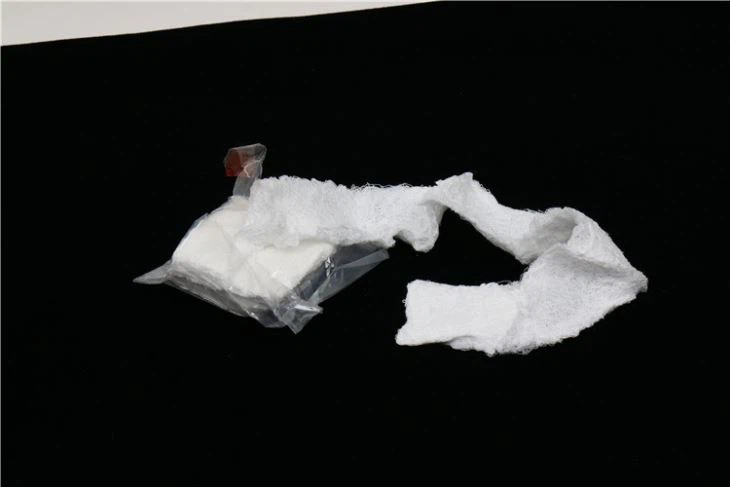

For larger wounds, a bandage might be a better option. There are different types of bandages available, like the Z-Rolled Gauze Roll. It's great because it can be wrapped around the affected area easily, providing a more comprehensive and secure covering. Another option is the EZ Folded Gauze, which is pre - folded and can be quickly applied and secured.
Let's get into the actual process of securing the compressed gauze. First, you need to clean the wound as best as possible. This doesn't have to be a super - elaborate process if it's a minor cut. You can just use clean water and a mild soap to gently wash the area around the wound. Pat it dry with a clean towel or a piece of sterile cloth.
Once the wound is clean, take your compressed gauze. Uncompress it carefully if it's in a compressed form. You can do this by gently pulling it apart. Place the gauze directly over the wound. Make sure it completely covers the wound area. If the wound is bleeding heavily, you might want to apply a bit of pressure on the gauze for a few minutes to help stop the bleeding.
If you're using adhesive tape to secure the gauze:
- Cut the tape into appropriate lengths. You don't want it too long or too short.
- Start by placing one end of the tape on the skin next to the gauze. Make sure the tape doesn't touch the wound itself.
- Gently press the tape down on the gauze, covering a small part of it. Then, continue to place more pieces of tape around the edges of the gauze. You can use a criss - cross pattern for better security. This way, the gauze is held firmly in place from different angles.
- Be careful not to press the tape too hard, especially if the skin around the wound is tender. You want to secure the gauze, but not cause any additional pain or damage to the skin.
If you're using a bandage, like the Z - Rolled Gauze Roll:
- Start at one end of the wound area. Hold the end of the bandage against the skin next to the gauze.
- Begin wrapping the bandage gently around the affected area. Make sure you cover the entire gauze. As you wrap, slightly overlap each layer of the bandage. This overlapping helps to keep the bandage tight and the gauze in place.
- Once you've wrapped the area enough times, you can secure the end of the bandage with a clip or by tucking it under the previous layer. Just make sure it's not too tight or too loose. A good rule of thumb is that you should be able to slide your finger under the bandage comfortably.
When using the EZ Folded Gauze:
- Place it over the wound as you would with any other gauze.
- The pre - folded design often comes with built - in ways to secure it. Some might have adhesive strips on the sides. Just peel off the backing and stick it to the skin around the wound.
- If it doesn't have adhesive strips, you can use additional tape or a small bandage to hold it in place.
After you've secured the compressed gauze, it's important to check on the wound regularly. Look for any signs of bleeding through the gauze, swelling, or redness. If you notice any of these, it might mean that the gauze isn't secured properly or that the wound is getting worse.
Also, make sure to change the gauze regularly. Depending on the severity of the wound, you might need to change it every few hours or once a day. When changing the gauze, be gentle. Remove the tape or bandage carefully to avoid reopening the wound or causing pain. Then, clean the wound again, and repeat the process of placing and securing the new compressed gauze.
One more thing to keep in mind is that different wounds might require different methods of securing the gauze. For example, a wound on a joint, like a knee or an elbow, can be more challenging because the movement can cause the gauze to shift. In such cases, you might need to use a more flexible bandage that can move with the joint without losing its grip on the gauze.
In conclusion, securing compressed gauze on a wound is an important step in the wound - healing process. By using the right materials, like the ones I mentioned above (Compressed Gauze, Z - Rolled Gauze Roll, and EZ Folded Gauze), and following the proper techniques, you can ensure that the gauze stays in place and does its job effectively.
If you're in the market for high - quality compressed gauze or other related products, I'd love to have a chat with you. Whether you're a medical professional, a first - aid kit supplier, or just someone looking to stock up on essential medical supplies, we've got you covered. Reach out to us to discuss your needs and start a great partnership.
References:
- General knowledge from medical supply industry experience
- Basic first - aid training materials