





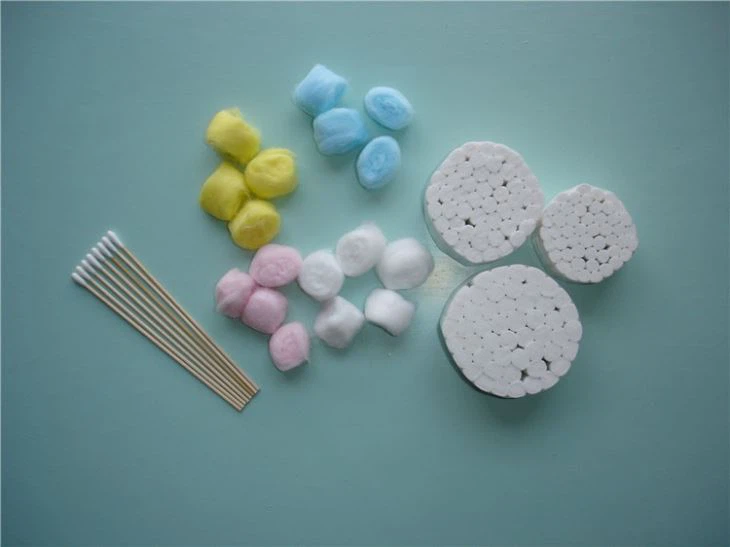
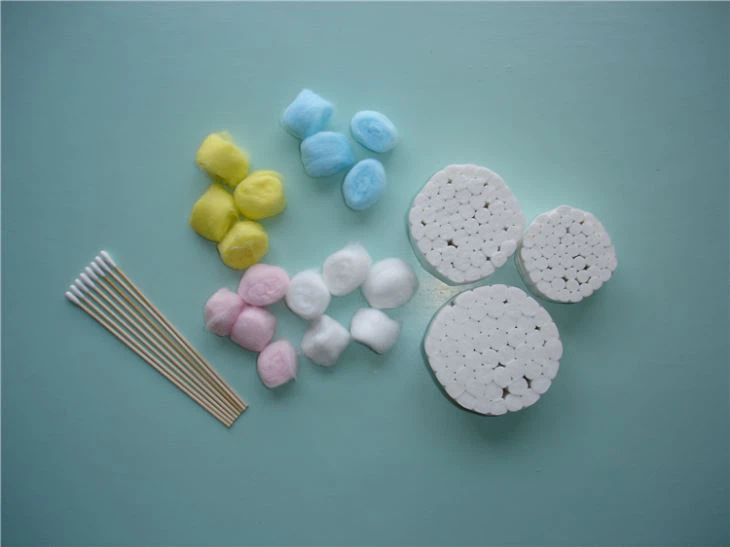
As a supplier of Cotton Wool Balls, I am often asked about the manufacturing process of these seemingly simple yet incredibly useful products. In this blog post, I'll take you through the step-by-step journey of how cotton wool balls are made, from the raw materials to the finished product.
Raw Materials: The Foundation of Quality
The first and most crucial element in making cotton wool balls is, of course, cotton. High-quality cotton is sourced from regions known for their excellent cotton production, such as the United States, India, and China. The choice of cotton is vital as it determines the softness, absorbency, and overall quality of the final product.
Cotton fibers are naturally soft and have a high absorbency rate, making them ideal for a wide range of applications, from personal hygiene to medical use. The cotton used in our Cotton Wool Ball production is carefully selected to ensure that it meets our strict quality standards. We look for cotton that is free from impurities, has a consistent fiber length, and is of a suitable grade for our manufacturing process.
Ginning: Separating the Seeds from the Fibers
Once the cotton is harvested, it undergoes a process called ginning. Ginning is the process of separating the cotton fibers from the seeds and other impurities. This is typically done using a gin machine, which uses a series of rotating saws or rollers to pull the cotton fibers through a mesh screen, leaving the seeds and other debris behind.
The ginned cotton, also known as lint, is then compressed into bales for easier storage and transportation. These bales are then sent to our manufacturing facility, where the next stage of the process begins.
Carding: Aligning the Fibers
The next step in the manufacturing process is carding. Carding is the process of aligning the cotton fibers to create a soft, fluffy web. This is done using a carding machine, which consists of a series of wire-covered rollers that comb the cotton fibers and remove any remaining impurities.
As the cotton fibers pass through the carding machine, they are separated and aligned in a parallel direction, creating a continuous web of fibers. This web is then wound onto a spool or roller, ready for the next stage of the process.
Drawing: Further Refining the Fibers
After carding, the cotton web is sent through a drawing process. Drawing is a process that further refines the cotton fibers by stretching and thinning the web. This is done using a series of rollers that pull the cotton web through at different speeds, gradually reducing its thickness and increasing its length.
The drawing process helps to improve the strength and uniformity of the cotton fibers, making them more suitable for the next stage of the process. It also helps to remove any remaining impurities and align the fibers even more precisely.
Roving: Creating a Loose Strand
Once the cotton web has been drawn, it is then formed into a loose strand called a roving. This is done using a roving frame, which consists of a series of spindles that twist the cotton fibers together to form a continuous strand.
The roving is then wound onto a bobbin, ready for the next stage of the process. The roving is typically much thinner and more flexible than the original cotton web, making it easier to work with in the subsequent steps.
Spinning: Creating Yarn
The next step in the manufacturing process is spinning. Spinning is the process of twisting the roving into a continuous yarn. This is done using a spinning machine, which consists of a series of spindles that rotate at high speed, twisting the roving into a tight, strong yarn.
The spinning process can be done using different methods, depending on the desired characteristics of the yarn. For example, ring spinning is a common method that produces a smooth, strong yarn, while open-end spinning is a faster method that produces a more textured yarn.
Cutting and Shaping: Creating the Balls
Once the yarn has been spun, it is then cut and shaped into the familiar cotton wool balls. This is typically done using a cutting machine, which cuts the yarn into small pieces of a predetermined length.
The cut pieces of yarn are then shaped into balls using a ball-forming machine. This machine uses a series of rotating rollers and paddles to roll the yarn into a spherical shape, creating a soft, fluffy cotton wool ball.
Sterilization: Ensuring Safety and Hygiene
For Sterile Cotton Wool Ball products, the next step is sterilization. Sterilization is the process of eliminating all microorganisms from the cotton wool balls, ensuring that they are safe for use in medical and other sensitive applications.
There are several methods of sterilization, including steam sterilization, gamma irradiation, and ethylene oxide sterilization. The method used depends on the specific requirements of the product and the intended use.
At our manufacturing facility, we use a state-of-the-art sterilization process that ensures the highest level of safety and hygiene. Our sterile cotton wool balls are tested regularly to ensure that they meet all relevant industry standards and regulations.
Packaging: Protecting the Product
Once the cotton wool balls have been sterilized (if applicable), they are ready for packaging. Packaging is an important step in the manufacturing process as it helps to protect the product from contamination and damage during storage and transportation.
Our cotton wool balls are typically packaged in plastic bags or containers, which are then sealed to prevent any moisture or air from entering. The packaging is also labeled with important information such as the product name, size, quantity, and usage instructions.
Quality Control: Ensuring Consistency and Excellence
Throughout the manufacturing process, we have a rigorous quality control system in place to ensure that our cotton wool balls meet the highest standards of quality and consistency. Our quality control team conducts regular inspections at every stage of the process, from raw material inspection to final product testing.
We use a variety of testing methods to ensure that our cotton wool balls meet our strict quality criteria. These include tests for absorbency, softness, strength, and purity. Any products that do not meet our standards are immediately rejected and recycled.
Conclusion: A Commitment to Quality
In conclusion, the process of making cotton wool balls is a complex and multi-step process that requires careful attention to detail and a commitment to quality. From the selection of the raw materials to the final packaging, every stage of the process is designed to ensure that our customers receive a high-quality product that meets their needs.
As a leading supplier of cotton wool balls, we are proud to offer a wide range of products that are made using the latest manufacturing techniques and the highest quality materials. Whether you are looking for Cotton Wool Ball for personal use or Sterile Cotton Wool Ball for medical applications, we have the perfect solution for you.
If you are interested in learning more about our products or would like to discuss your specific requirements, please do not hesitate to contact us. We look forward to hearing from you and working with you to meet your cotton wool ball needs.
References
- Textile Institute. (2009). Handbook of Nonwovens. Woodhead Publishing Limited.
- Morton, W. E., & Hearle, J. W. S. (2008). Physical Properties of Textile Fibres. Woodhead Publishing Limited.
- The Cotton Incorporated. (2023). The Cotton Production Process. Retrieved from https://www.cottoninc.com/cotton-production/