



Hey there! As a supplier of Tourniquet CAT, I often get asked, "How do I know if the Tourniquet CAT needs to be replaced?" Well, let's dive right into it and break down the key factors that'll help you figure this out.
Physical Damage
The first thing you gotta look at is physical damage. A Tourniquet CAT is a pretty tough piece of gear, but it's not indestructible. If you notice any visible signs of wear and tear, like cuts, frays, or tears in the strap, it's a big red flag. The strap is the main part of the tourniquet that wraps around the limb and applies pressure to stop bleeding. If it's damaged, it might not be able to hold the right amount of tension, which means it won't work as effectively.
For example, if you see a small cut on the strap, it might seem minor at first, but over time, that cut could spread and weaken the strap. And once the strap loses its integrity, the tourniquet is basically useless. So, if you spot any cuts or frays, it's time to consider replacing the Tourniquet CAT.
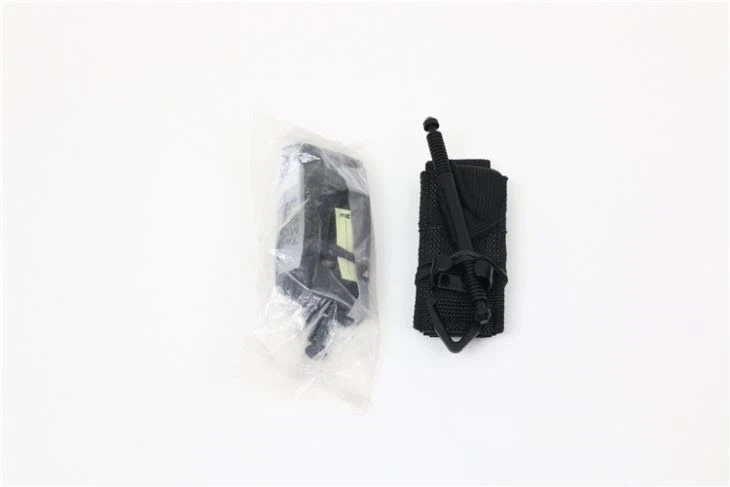
Another part to check is the windlass. That's the rod that you turn to tighten the tourniquet. If the windlass is bent, broken, or doesn't turn smoothly, it's going to affect how well the tourniquet works. You need to be able to easily turn the windlass to apply the right amount of pressure, and if it's not functioning properly, it's a clear sign that you should get a new one.
Expiration Date
Just like food and medicine, Tourniquet CATs have an expiration date. The materials used in the tourniquet can degrade over time, even if it's not been used. The expiration date is usually printed on the packaging or on a label attached to the tourniquet itself.
You might be thinking, "But it looks fine, why do I need to replace it just because of the expiration date?" Well, the expiration date is there for a reason. Over time, the elastic properties of the strap can change, and the materials can become more brittle. This means that the tourniquet might not be able to apply the same level of pressure as it did when it was new, which could be a matter of life and death in an emergency situation.
So, always check the expiration date, and if it's passed, it's time to replace the Tourniquet CAT. It's better to be safe than sorry when it comes to something as important as stopping severe bleeding.
Exposure to Harsh Conditions
If the Tourniquet CAT has been exposed to harsh conditions, it might need to be replaced even if it doesn't show any obvious signs of damage. Harsh conditions can include extreme temperatures, moisture, chemicals, or sunlight.
For instance, if the tourniquet has been left in a hot car for a long time, the heat can cause the materials to break down. Similarly, if it's been exposed to water or other liquids, it could lead to rust or corrosion, especially if there are any metal parts. And if it's been in contact with chemicals, it could damage the materials and affect the tourniquet's performance.
Even sunlight can be a problem. Prolonged exposure to UV rays can cause the colors to fade and the materials to become brittle. So, if you know that the Tourniquet CAT has been exposed to any of these harsh conditions, it's a good idea to inspect it closely and consider replacing it if there are any concerns.

Performance Issues
Finally, if you've used the Tourniquet CAT and noticed any performance issues, it's definitely time for a replacement. For example, if it was difficult to apply the tourniquet or if it didn't seem to stop the bleeding as effectively as it should have, there could be a problem.
Maybe the strap didn't hold the tension well, or the windlass didn't turn smoothly. These are signs that the tourniquet might not be working properly, and you shouldn't rely on it in the future. It's important to test the tourniquet regularly, especially if it's part of your emergency preparedness kit. You can do a simple visual inspection and make sure that all the parts are working as they should.
Our Tourniquet CAT Options
At our supply, we offer a range of Tourniquet CAT options to suit your needs. Check out our Black CAT Tourniquet and Colors CAT Tourniquet. These tourniquets are designed to be reliable and easy to use in emergency situations.
Conclusion
In conclusion, knowing when to replace a Tourniquet CAT is crucial for ensuring its effectiveness in an emergency. By checking for physical damage, expiration dates, exposure to harsh conditions, and performance issues, you can make sure that your tourniquet is always in top-notch condition.
If you have any questions about our Tourniquet CAT products or need help with replacement, don't hesitate to reach out. We're here to assist you and make sure you have the best possible emergency preparedness gear. Whether you're a first responder, a military personnel, or just someone who wants to be prepared for emergencies, our Tourniquet CATs are a great choice. So, get in touch with us today to discuss your procurement needs and let's work together to keep you safe.
References
- American Red Cross. First Aid Manual.
- Military Combat Casualty Care Guidelines.