


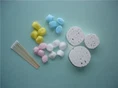
As a supplier of cotton balls, I understand the increasing demand for antibacterial cotton balls in various industries, from healthcare to beauty. In this blog post, I'll share several effective methods to make cotton balls antibacterial, which can help meet the market's needs and ensure the quality and safety of our products.
Understanding the Need for Antibacterial Cotton Balls
Before diving into the methods, it's essential to understand why antibacterial cotton balls are so important. In the healthcare sector, they are used for wound cleaning, dressing changes, and other medical procedures. Antibacterial properties can prevent infections by killing or inhibiting the growth of harmful bacteria. In the beauty industry, antibacterial cotton balls are used for makeup removal and skincare routines, providing a hygienic option for consumers.
Method 1: Using Antibacterial Agents
One of the most common ways to make cotton balls antibacterial is by treating them with antibacterial agents. There are several types of antibacterial agents that can be used, each with its own advantages and applications.
Hydrogen Peroxide
Hydrogen peroxide is a well - known antibacterial agent. It works by releasing oxygen when it comes into contact with organic matter, which can damage the cell walls of bacteria and kill them. To use hydrogen peroxide to treat cotton balls, you can follow these steps:


- Prepare a solution of hydrogen peroxide. A 3% hydrogen peroxide solution is commonly used. You can purchase this solution at most drugstores.
- Dip the cotton balls into the hydrogen peroxide solution. Make sure the cotton balls are fully saturated.
- Remove the cotton balls from the solution and squeeze out any excess liquid gently.
- Allow the cotton balls to dry completely. You can air - dry them or use a low - heat setting in an oven or a dehydrator.
Isopropyl Alcohol
Isopropyl alcohol, also known as rubbing alcohol, is another effective antibacterial agent. It can denature proteins in bacteria, leading to their death. The steps to treat cotton balls with isopropyl alcohol are similar to those for hydrogen peroxide:
- Prepare a 70% isopropyl alcohol solution. This concentration is effective at killing bacteria while being less likely to cause irritation.
- Dip the cotton balls into the isopropyl alcohol solution.
- Squeeze out the excess liquid and let the cotton balls dry.
Chlorhexidine Gluconate
Chlorhexidine gluconate is a broad - spectrum antibacterial agent commonly used in healthcare settings. It can bind to the cell membranes of bacteria, disrupting their structure and function. To use chlorhexidine gluconate:
- Dilute the chlorhexidine gluconate according to the manufacturer's instructions. A common dilution is 0.5% - 2%.
- Immerse the cotton balls in the diluted solution.
- Let the cotton balls soak for a sufficient amount of time, usually about 10 - 15 minutes.
- Remove the cotton balls and dry them.
Method 2: Radiation Sterilization
Radiation sterilization is a highly effective method for making cotton balls antibacterial. There are two main types of radiation used: gamma radiation and electron beam radiation.
Gamma Radiation
Gamma radiation is a form of high - energy electromagnetic radiation. It can penetrate the cotton balls and damage the DNA of bacteria, preventing them from reproducing. The process of gamma radiation sterilization is usually carried out in specialized facilities. The cotton balls are placed in a radiation chamber, and a radioactive source, such as cobalt - 60, emits gamma rays. The exposure time and dosage are carefully controlled to ensure complete sterilization.
Electron Beam Radiation
Electron beam radiation uses high - energy electrons to sterilize the cotton balls. It has the advantage of being a relatively fast process. The cotton balls are passed under an electron beam, and the electrons interact with the bacteria, causing damage to their cellular components. Electron beam radiation is often used for large - scale production as it can be integrated into the manufacturing line.
Method 3: Chemical Vapor Sterilization
Chemical vapor sterilization involves using a gas or vapor to sterilize the cotton balls. Ethylene oxide is a commonly used gas for this purpose.
- The cotton balls are placed in a sealed chamber.
- Ethylene oxide gas is introduced into the chamber at a controlled temperature and pressure.
- The gas penetrates the cotton balls and reacts with the bacteria, killing them.
- After the sterilization process, the chamber is ventilated to remove any residual ethylene oxide, as it is a toxic gas.
Quality Control and Testing
Once the cotton balls have been treated to make them antibacterial, it's crucial to conduct quality control and testing. This ensures that the antibacterial properties are effective and that the cotton balls meet the required standards.
Microbiological Testing
Microbiological testing involves culturing samples of the treated cotton balls on agar plates to check for the presence of bacteria. The plates are incubated for a specific period, and then the number of colonies is counted. If the number of colonies is below the acceptable limit, the cotton balls are considered to have passed the test.
Physical and Chemical Testing
Physical and chemical testing is also important. This includes testing the absorbency, softness, and chemical composition of the cotton balls. For example, the pH of the treated cotton balls should be within a certain range to ensure they are suitable for use.
Applications of Antibacterial Cotton Balls
Antibacterial cotton balls have a wide range of applications.
Healthcare
In hospitals, clinics, and other healthcare facilities, antibacterial cotton balls are used for wound care, disinfection of medical instruments, and as a part of surgical procedures. They help prevent the spread of infections and ensure a clean and safe environment.
Beauty and Skincare
In the beauty industry, antibacterial cotton balls are used for makeup removal, applying toners, and performing skincare treatments. They provide a hygienic option for consumers, especially those with sensitive skin.
Household Use
Antibacterial cotton balls can also be used at home for minor wound cleaning, ear cleaning, and other personal care tasks.
Conclusion
Making cotton balls antibacterial is an important process that can enhance their value and safety. Whether you choose to use antibacterial agents, radiation sterilization, or chemical vapor sterilization, it's essential to follow the proper procedures and conduct quality control. As a cotton ball supplier, we are committed to providing high - quality antibacterial cotton balls to meet the diverse needs of our customers.
If you are interested in purchasing antibacterial cotton balls or learning more about our products, please feel free to contact us for procurement and negotiation. We look forward to working with you to provide the best solutions for your needs.
References
- Block, S. S. (2001). Disinfection, Sterilization, and Preservation. Lippincott Williams & Wilkins.
- McDonnell, G., & Russell, A. D. (1999). Antiseptics and disinfectants: activity, action, and resistance. Clinical Microbiology Reviews, 12(1), 147 - 179.
- Rutala, W. A., & Weber, D. J. (2004). Disinfection and sterilization in health - care facilities. Emerging Infectious Diseases, 10(10), 1686 - 1693.