



In emergency medical situations, especially those involving severe bleeding, a tourniquet can be a life - saving tool. The Combat Application Tourniquet (CAT) is one of the most well - known and widely used tourniquets in the medical and emergency response fields. However, there are times when a CAT tourniquet might not be available. As a supplier of Tourniquet CAT, I understand the importance of being prepared for such scenarios. In this blog, I'll share some ways to improvise when you don't have a Tourniquet CAT.
Understanding the Importance of a Tourniquet
Before we delve into improvisation methods, it's crucial to understand why a tourniquet is so vital. Severe bleeding can lead to shock and death within minutes. A tourniquet works by applying pressure to a limb to stop the flow of blood, buying time for the victim to receive proper medical treatment. The CAT tourniquet, in particular, is designed for easy and quick application, even by non - medical personnel. It has a windlass mechanism that allows for tight and secure compression of the limb.
Improvisation Methods
Using a Belt
One of the most common items that can be used as an improvised tourniquet is a belt. A belt is usually made of strong material and has a buckle that can be used to tighten it.
- Select the Right Location: Place the belt about 2 - 3 inches above the wound. Make sure it is on a bare part of the limb if possible.
- Wrap the Belt: Wrap the belt around the limb and thread the free end through the buckle.
- Tighten the Belt: Pull the free end of the belt as tightly as you can to stop the bleeding. You may need to use your body weight or another person's help to get it tight enough.
- Secure the Belt: Once the bleeding has stopped, secure the belt in place. You can use a stick or a similar object as a windlass to further tighten the belt if needed. Insert the stick under the belt and twist it until the bleeding stops completely.
Using a Scarf or a Bandana
A scarf or a bandana can also serve as an improvised tourniquet. These items are often soft and flexible, but they can still be effective if used correctly.
- Fold the Scarf or Bandana: Fold the scarf or bandana into a long, narrow strip.
- Wrap it Around the Limb: Place the strip around the limb, about 2 - 3 inches above the wound.
- Tie a Knot: Tie a single knot in the middle of the strip. Then, place a stick or a similar object on top of the knot.
- Create a Windlass: Tie another knot over the stick to secure it. Twist the stick to tighten the strip around the limb until the bleeding stops.
Using a T - Shirt
A T - shirt can be a useful improvised tourniquet, especially if you are in a situation where other options are limited.
- Tear the T - Shirt: Tear the T - shirt into a long, wide strip.
- Wrap the Strip: Wrap the strip around the limb, above the wound.
- Tighten the Strip: Tie a knot in the strip and use a stick as a windlass to tighten it. Twist the stick until the bleeding stops.
Limitations of Improvised Tourniquets
While improvised tourniquets can be life - saving in an emergency, they have several limitations compared to a Tourniquet CAT.
- Lack of Standardization: Improvised tourniquets are made from various materials, and there is no standard way to apply them. This can lead to inconsistent results and may not provide enough pressure to stop the bleeding effectively.
- Risk of Over - Tightening or Under - Tightening: It can be difficult to determine the right amount of pressure when using an improvised tourniquet. Over - tightening can cause nerve damage, muscle damage, and even limb loss, while under - tightening may not stop the bleeding.
- Durability: Improvised tourniquets may not be as durable as a Tourniquet CAT. The materials used may break or loosen over time, which can lead to the recurrence of bleeding.
Why Choose a Tourniquet CAT
As a supplier of Tourniquet CAT, I can attest to the many advantages of using this product.
- Ease of Use: The Tourniquet CAT is designed to be easy to apply, even by people with no medical training. It has clear instructions and a simple windlass mechanism that allows for quick and effective tightening.
- Standardization: The Tourniquet CAT is a standardized product, which means that it provides consistent results. It has been tested and proven to be effective in stopping severe bleeding.
- Durability: The Tourniquet CAT is made from high - quality materials that are designed to withstand the rigors of emergency use. It is less likely to break or loosen compared to an improvised tourniquet.
Our Tourniquet CAT Products
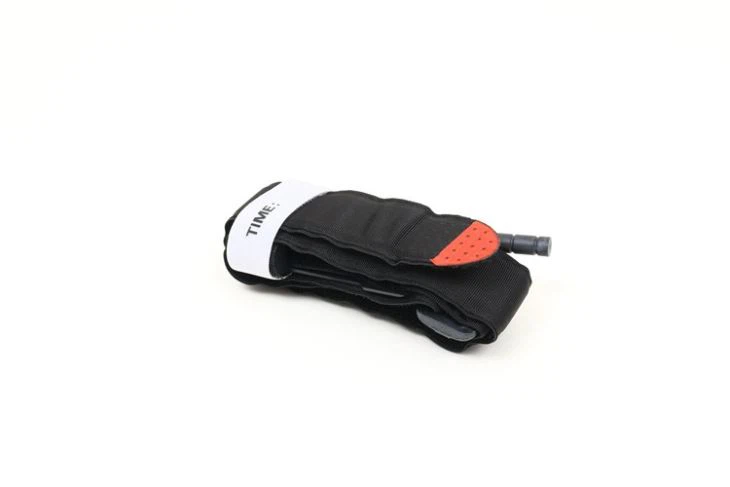
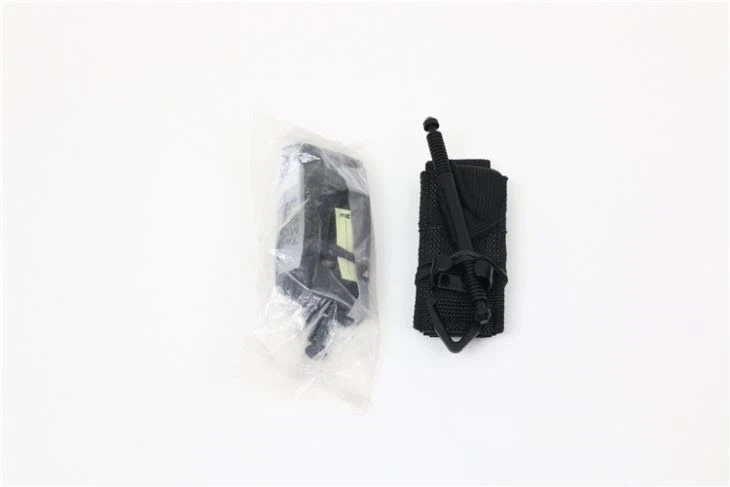
We offer a variety of Tourniquet CAT products to meet different needs. For those who prefer a more colorful option, we have the Colors CAT Tourniquet. This tourniquet comes in a range of vibrant colors, making it easy to identify in an emergency situation.
If you prefer a more classic look, our Black CAT Tourniquet is a great choice. It is sleek and professional, and it provides the same high - quality performance as our other tourniquets.
Conclusion
In an emergency situation where a Tourniquet CAT is not available, improvising with items like belts, scarves, or T - shirts can be a life - saving measure. However, these improvised tourniquets have limitations, and it is always better to be prepared with a reliable Tourniquet CAT. As a supplier, we are committed to providing high - quality tourniquets that can help save lives. If you are interested in purchasing our Tourniquet CAT products or have any questions, please feel free to contact us for procurement and further discussions.
References
- American Red Cross. First Aid Manual.
- National Association of Emergency Medical Technicians. Emergency Care and Transportation of the Sick and Injured.