





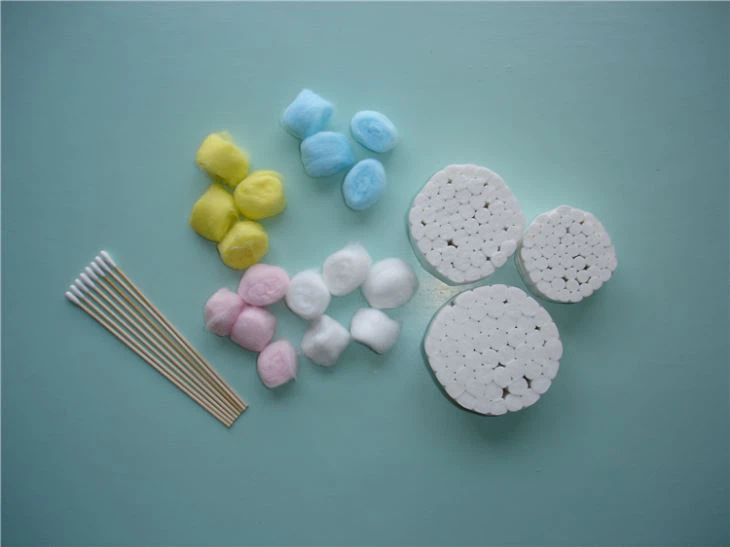
Preventing cotton wool balls from sticking together is a crucial aspect for both consumers and suppliers like me. As a supplier of high - quality Cotton Wool Ball, I understand the challenges associated with clumping and have explored various effective methods to keep these soft, fluffy balls separate.
Understanding the Root Causes of Sticking
Before diving into the solutions, it's essential to understand why cotton wool balls stick together. One of the primary reasons is static electricity. When cotton wool balls rub against each other or the packaging material during storage or transportation, electrons can be transferred, creating a static charge. This static charge causes the balls to attract one another, leading to clumping.
Another factor is moisture. If the storage environment has high humidity, the cotton fibers can absorb water. This moisture can act as a glue, making the balls stick together. Additionally, improper handling during the manufacturing process, such as over - compaction of the balls in the packaging, can also contribute to sticking.
Storage Conditions
Controlling the storage environment is the first line of defense against sticking. Temperature and humidity play a significant role. Cotton wool balls should be stored in a cool, dry place. A room temperature between 18 - 22 degrees Celsius is ideal, with a relative humidity of around 40 - 50%. High humidity can cause the cotton to absorb moisture, as mentioned earlier, and low humidity can increase the likelihood of static electricity.
Using dehumidifiers in the storage area can help maintain the right humidity level. For large - scale storage, industrial dehumidifiers can be installed. These devices work by removing excess moisture from the air, preventing the cotton wool balls from getting damp.

Packaging Materials
The choice of packaging material is also crucial. Anti - static packaging can significantly reduce the problem of static - induced sticking. Anti - static bags are made of materials that prevent the build - up of static electricity. They are designed to dissipate any static charge that might develop during handling or storage.
When it comes to packaging design, individual compartments or dividers can be used. For example, instead of packing a large number of cotton wool balls in a single bag, they can be placed in smaller, individual chambers within a box. This physical separation reduces the chances of the balls rubbing against each other and sticking.
Another option is to use a loose - fill packaging material like bubble wrap or foam peanuts. These materials not only provide cushioning during transportation but also act as a barrier between the cotton wool balls, preventing them from coming into direct contact.
Manufacturing Process
During the manufacturing process, proper compaction is essential. Over - compaction can cause the cotton fibers to entangle and stick together. The manufacturing machinery should be calibrated to ensure that the cotton wool balls are formed with the right density.
Adding anti - static agents during the manufacturing process can also be effective. These agents can be incorporated into the cotton fibers or applied as a coating. Anti - static agents work by neutralizing any static charge that might develop on the surface of the cotton wool balls.
Handling and Transportation
Proper handling during transportation is vital. Rough handling can cause the cotton wool balls to move around inside the packaging, increasing the chances of sticking. During loading and unloading, care should be taken to avoid dropping or shaking the packages excessively.
Using shock - absorbing materials in the shipping containers can further protect the cotton wool balls. These materials can reduce the impact of vibrations and shocks during transit, keeping the balls in place and preventing them from sticking.
Customer Education
As a supplier, it's also important to educate customers on how to prevent sticking. When customers receive their orders of Cotton Wool Ball, they should be provided with instructions on proper storage. A simple insert in the packaging can include tips such as storing the balls in a dry place and avoiding exposure to direct sunlight.
For customers who use cotton wool balls in a medical or cosmetic setting, they should be advised to handle the balls with clean, dry hands. Oils and moisture from dirty or wet hands can cause the balls to stick together.
Quality Control
Implementing a strict quality control process is essential for suppliers. Before shipping the cotton wool balls to customers, a sample of the product should be inspected. This inspection can include checking for any signs of sticking, as well as ensuring that the packaging is intact and the storage conditions have been maintained.
Random sampling can be done at different stages of the manufacturing and storage process. If any issues are detected, corrective actions can be taken immediately. This might involve adjusting the manufacturing parameters, changing the packaging material, or improving the storage conditions.
Specialized Products
For customers who require Sterile Cotton Wool Ball, additional measures need to be taken. Sterilization processes can sometimes affect the properties of the cotton, making it more prone to sticking.
In such cases, special anti - sticking agents can be used that are compatible with the sterilization process. For example, some agents can withstand high - temperature sterilization methods without losing their effectiveness.
Conclusion
Preventing cotton wool balls from sticking together requires a multi - faceted approach. From controlling storage conditions and choosing the right packaging materials to implementing proper manufacturing processes and educating customers, every step plays a role. As a supplier of Cotton Wool Ball, I am committed to providing high - quality products that are free from sticking issues.
If you are interested in purchasing our top - quality cotton wool balls or have any questions about preventing sticking, we invite you to contact us for a detailed discussion. We are always ready to offer our expertise and provide solutions tailored to your specific needs.
References
- "Handbook of Packaging Technology" by Wilmer A. Rooney
- "Static Electricity Handbook" by John A. Day
- Industry research reports on cotton wool ball manufacturing and storage