







Hey there! As a supplier of Compressed Gauze, I've had my fair share of experiences in the wound - care industry. I'm super excited to chat with you about how compressed gauze interacts with other wound - care products.
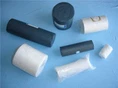
First off, let's get a basic understanding of compressed gauze. Compressed gauze is a game - changer in wound care. It's designed to be compact and easy to store, yet it expands when it comes into contact with fluids, like blood or wound exudate. You can check out more about it here: Compressed Gauze.
Now, let's talk about how it works with other wound - care products. One of the most common pairings is with wound cleansers. When you're dealing with a fresh wound, you first need to clean it to prevent infection. Wound cleansers are great for removing debris and bacteria from the wound surface. After using a wound cleanser, that's where compressed gauze steps in. You can use the compressed gauze to gently pat the wound dry. Its absorbent nature helps soak up any remaining cleanser and excess moisture from the wound. This is crucial because a moist environment can sometimes promote the growth of bacteria, and keeping the wound dry to an appropriate degree is important for the healing process.
Another important product that compressed gauze often teams up with is antimicrobial agents. Antimicrobial creams, ointments, or sprays are used to kill or inhibit the growth of bacteria, fungi, and other microorganisms in the wound. Once you've applied the antimicrobial agent to the wound, you can place a piece of compressed gauze over it. The gauze acts as a barrier, preventing the antimicrobial agent from being rubbed off or washed away too quickly. It also helps to keep the agent in contact with the wound, enhancing its effectiveness.
Let's also consider the combination with dressings. There are different types of dressings, like hydrocolloid dressings, foam dressings, and alginate dressings. Compressed gauze can be used as a secondary dressing. For example, if you're using an alginate dressing on a highly exuding wound, the alginate will absorb a large amount of the wound fluid. But you can place a layer of compressed gauze on top of the alginate dressing. This additional layer of gauze provides extra absorption and protection. It can also prevent the dressing from sticking to the patient's clothing or bedding.
Now, let's look at how compressed gauze interacts with Z - Rolled Gauze Roll. Z - Rolled Gauze Roll is a type of gauze that comes in a rolled form, with a unique Z - shaped folding pattern. This design makes it easy to unwind and use. When dealing with larger wounds, you might use a Z - Rolled Gauze Roll to cover a large area initially. Then, you can use compressed gauze in the areas that need more targeted absorption or pressure. For instance, if there's a part of the wound that's bleeding more heavily, you can place a piece of compressed gauze there and then cover it with the Z - Rolled Gauze Roll. This way, you're getting the benefits of both products: the wide coverage of the Z - Rolled Gauze Roll and the high - absorbency and pressure - application ability of the compressed gauze.
EZ Folded Gauze is another interesting product in the wound - care family. EZ Folded Gauze is pre - folded for easy handling. It's great for quick and simple wound care tasks. Compressed gauze can work in tandem with EZ Folded Gauze. For example, if you're treating a small, superficial wound, you can first use EZ Folded Gauze to clean the wound. Then, if there's still a bit of bleeding or if you want to add an extra layer of protection, you can place a small piece of compressed gauze on the wound. The EZ Folded Gauze provides a convenient cleaning option, and the compressed gauze adds that extra absorbency and protection.
One of the things I love about compressed gauze is its versatility. It can be used in different stages of wound healing. In the acute phase, when there's a lot of bleeding or exudate, compressed gauze can quickly absorb the fluid and help control bleeding. As the wound progresses to the sub - acute and chronic phases, it can still be used to maintain a clean and dry environment around the wound.
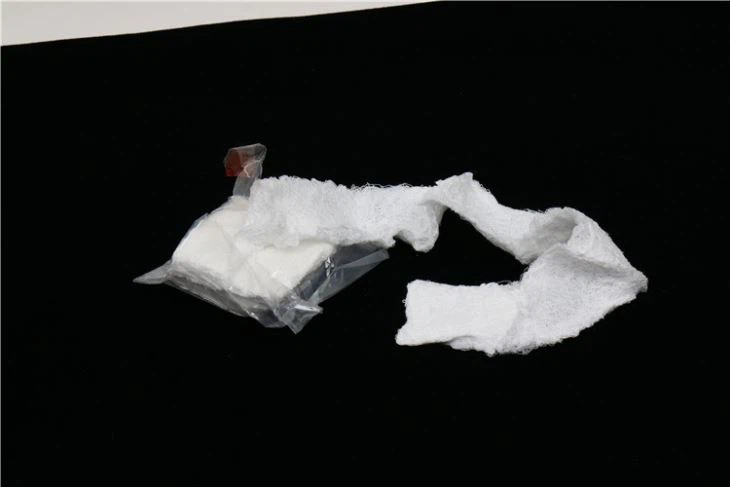
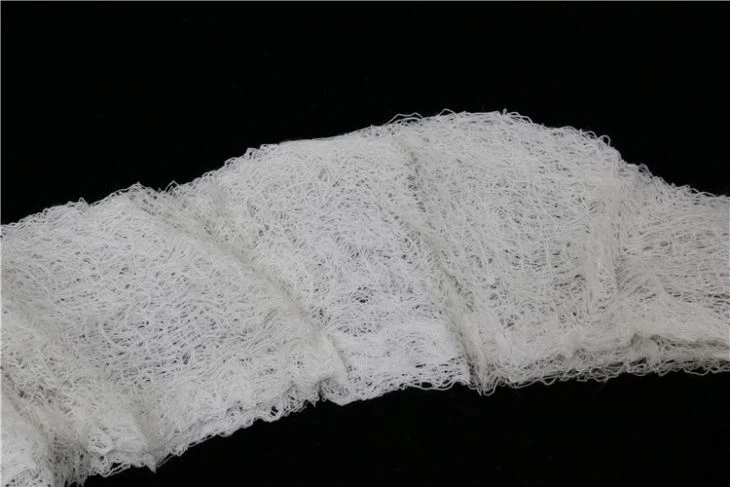
However, it's important to note that when using compressed gauze in combination with other products, you need to follow the proper procedures. Always make sure your hands are clean before handling the wound and the products. When placing the compressed gauze on the wound, be gentle to avoid causing any additional trauma to the already - injured tissue.
In some cases, you might need to adjust the use of compressed gauze based on the type and severity of the wound. For example, on a deep, puncture wound, you may need to use more compressed gauze to fill the wound cavity and apply pressure to stop the bleeding. On a shallow abrasion, a smaller piece of compressed gauze might be sufficient.
To sum it up, compressed gauze is a real multi - tasker in the wound - care world. Its ability to absorb, protect, and work in harmony with other wound - care products makes it an essential item. Whether you're a healthcare professional in a hospital setting, a first - aider in an emergency situation, or someone taking care of a minor wound at home, understanding how compressed gauze interacts with other products can help you provide better wound care.
If you're interested in purchasing high - quality compressed gauze or learning more about how it can be used in combination with other wound - care products, feel free to reach out for a procurement discussion. We're here to provide you with the best solutions for your wound - care needs.
References:
- "Wound Care Essentials: Practice Principles"
- "Textbook of Wound Management"