




Hey there! As a supplier of S-Rolled Gauze, I've had my fair share of chats with medical professionals, first - aiders, and folks just looking to keep a well - stocked first - aid kit at home. One question that keeps popping up is, "How does S - Rolled Gauze respond to pressure on the wound?" Let's dig into this topic and find out.
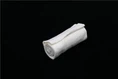
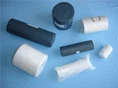
First off, let's understand what S - Rolled Gauze is. It's a type of medical gauze that's rolled in an S - shape. This unique shape gives it some distinct advantages when it comes to wound care. Unlike traditional flat gauze pads, the S - rolled design allows for better conformability to the wound area. It can easily wrap around irregularly shaped wounds, like those on joints or curved body parts.
When it comes to pressure on the wound, S - Rolled Gauze really shines. Pressure is a crucial factor in wound management, especially for bleeding wounds. Applying pressure helps to stop the bleeding by promoting blood clotting. S - Rolled Gauze is made from absorbent materials, usually cotton or a cotton - blend. These materials are not only great at soaking up blood and other bodily fluids but also provide a stable surface for applying pressure.


Let's talk about how it physically responds to pressure. When you press S - Rolled Gauze onto a wound, the fibers of the gauze compress. This compression has a couple of important effects. Firstly, it helps to increase the contact area between the gauze and the wound. A larger contact area means more even distribution of pressure across the wound surface. This is important because uneven pressure can lead to some parts of the wound not getting enough pressure to stop bleeding, while other parts may be over - compressed, causing additional tissue damage.
Secondly, the compression of the gauze fibers also enhances its absorbency. As the fibers are squeezed together, they create smaller spaces between them. These smaller spaces can trap more blood and fluids, effectively increasing the gauze's capacity to soak up the exudate from the wound. This is particularly useful in cases of heavy bleeding, where a high - absorbency dressing is essential.
Now, let's compare S - Rolled Gauze with some other types of gauze in terms of pressure response. Take Compressed Gauze for example. Compressed Gauze is designed to be very dense and is often used in trauma situations where rapid bleeding control is needed. While it can provide a high amount of pressure, it may not conform as well to the wound shape as S - Rolled Gauze. S - Rolled Gauze, with its flexible S - shape, can be adjusted to fit the wound better, ensuring that pressure is applied evenly.
Another type is the Z - Rolled Gauze Roll. Z - Rolled Gauze has a different rolling pattern compared to S - Rolled Gauze. It can be a bit more difficult to handle when applying pressure precisely. The Z - shape may not allow for as smooth a wrapping around the wound as the S - shape of S - Rolled Gauze. This can result in uneven pressure distribution and potentially less effective bleeding control.
EZ Folded Gauze is yet another option. It's easy to use and can be quickly unfolded and placed on the wound. However, it may not be as effective in maintaining pressure over time as S - Rolled Gauze. The folded design may not provide the same level of stability and conformability, especially when the wound is on a moving part of the body.
In addition to its physical response to pressure, S - Rolled Gauze also has some other benefits for wound care. It's breathable, which means it allows air to reach the wound. This is important for preventing the build - up of moisture and bacteria, which can lead to infections. The breathable nature of the gauze also helps in the wound healing process by promoting a healthy environment for the cells to regenerate.
Moreover, S - Rolled Gauze is often treated with anti - microbial agents. These agents can help to prevent infections by killing or inhibiting the growth of bacteria on the wound surface. When pressure is applied, the anti - microbial agents are more likely to come into contact with the wound, enhancing their effectiveness.
Now, I know some of you might be thinking about the practical aspects of using S - Rolled Gauze. How do you apply it correctly to get the best pressure response? Well, first, make sure your hands are clean. Then, unroll the S - Rolled Gauze and place it directly over the wound. Apply firm, steady pressure with your hand. If possible, use a bandage or tape to secure the gauze in place, but make sure not to wrap it too tightly, as this can cut off blood circulation.
If you're dealing with a large or deep wound, you may need to use multiple layers of S - Rolled Gauze. Stack the layers on top of each other and apply pressure as usual. The multiple layers will increase the overall absorbency and the amount of pressure applied to the wound.
In conclusion, S - Rolled Gauze is an excellent choice for wound care when it comes to responding to pressure on the wound. Its unique S - shape, absorbent materials, and physical properties make it a reliable option for controlling bleeding and promoting wound healing. Whether you're a medical professional in a hospital setting, a first - aider at an accident scene, or just someone looking to have a good first - aid kit at home, S - Rolled Gauze should be on your list.
If you're interested in purchasing S - Rolled Gauze for your medical needs, I'd love to have a chat with you. We can discuss your specific requirements, the quantity you need, and any other questions you might have. Reach out to start a procurement discussion and let's find the best S - Rolled Gauze solution for you.
References
- Medical Textbook on Wound Care
- Research Papers on Gauze Materials and Wound Management