






Hey there! I'm a supplier of Compressed Gauze, and today I'm gonna share with you how to apply compressed gauze to a wound. It's a crucial skill that can come in super handy in various situations, whether it's a minor cut at home or a more serious injury in a medical setting.
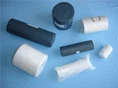
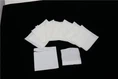
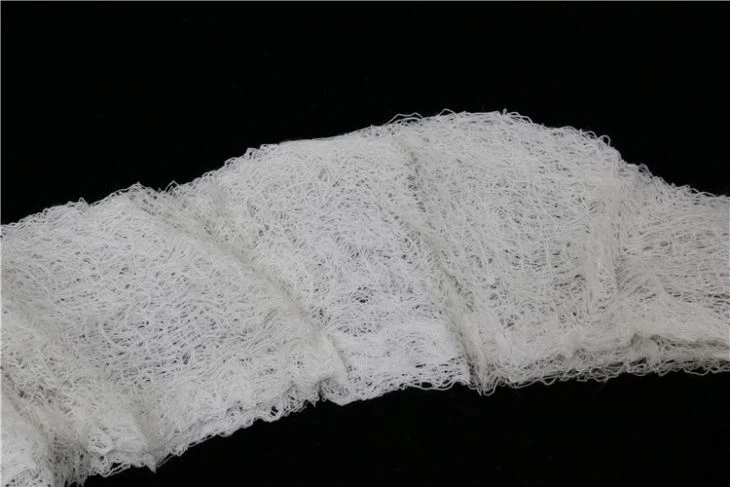
First off, let's talk a bit about what compressed gauze is. Compressed gauze is a type of medical dressing that's been compressed to save space and make it more convenient to store and transport. It's usually made of absorbent materials like cotton, and it can absorb a significant amount of blood and other fluids from a wound. You can check out our Compressed Gauze on our website to see the different options we offer.
Before you start applying the compressed gauze, it's important to make sure you have all the necessary supplies ready. You'll need a pair of clean gloves to prevent any contamination, some antiseptic solution to clean the wound, and of course, the compressed gauze itself. If the wound is large or deep, you might also want to have some additional bandages or tape on hand to secure the gauze in place.

Now, let's get into the step-by-step process of applying compressed gauze to a wound.
Step 1: Wash Your Hands and Put on Gloves
This is a basic but essential step. Wash your hands thoroughly with soap and water for at least 20 seconds to remove any dirt, germs, or bacteria. Then, put on a pair of clean gloves to avoid introducing any more contaminants to the wound.
Step 2: Assess the Wound
Take a good look at the wound to determine its size, depth, and the amount of bleeding. If the bleeding is severe and won't stop after applying direct pressure for a few minutes, it's a medical emergency, and you should call for professional help right away. For minor to moderate bleeding, though, you can proceed with applying the compressed gauze.
Step 3: Clean the Wound
Using a clean cloth or cotton ball soaked in antiseptic solution, gently clean the area around the wound. Be careful not to rub the wound directly, as this can cause more damage and pain. Cleaning the wound helps reduce the risk of infection.
Step 4: Open the Compressed Gauze
Most compressed gauze comes in a sealed package. Open the package carefully, making sure not to touch the inside of the gauze with your fingers. If the gauze is in a compressed form, you may need to unfold or expand it before applying it to the wound.
Step 5: Apply the Compressed Gauze to the Wound
Place the gauze directly over the wound, making sure it covers the entire affected area. Apply firm but gentle pressure to the gauze with your hand. This pressure helps to stop the bleeding by promoting blood clotting. Hold the pressure for at least 5 - 10 minutes. Don't peek at the wound during this time, as removing the pressure too soon can disrupt the clotting process and cause the bleeding to start again.
Step 6: Secure the Gauze
Once the bleeding has stopped or significantly slowed down, you can secure the gauze in place. If you have additional bandages or tape, you can use them to wrap around the wound and keep the gauze from moving. Make sure the bandage is not too tight, as this can restrict blood flow to the area.
Step 7: Monitor the Wound
Keep an eye on the wound for any signs of infection, such as increased redness, swelling, pain, or the presence of pus. If you notice any of these symptoms, or if the bleeding starts again, seek medical attention.
Now, let's talk about some tips and tricks when using compressed gauze.
- Choose the Right Size: Make sure you select a compressed gauze that is large enough to cover the wound adequately. If the gauze is too small, it may not be able to control the bleeding effectively.
- Keep it Sterile: Always handle the compressed gauze as carefully as possible to maintain its sterility. Avoid touching the part of the gauze that will come into contact with the wound.
- Store Properly: Store your compressed gauze in a cool, dry place to ensure its effectiveness. Exposure to moisture or heat can damage the gauze and reduce its absorbency.
In addition to compressed gauze, we also offer other types of medical dressings, such as Z-Rolled Gauze Roll and EZ Folded Gauze. These products have their own unique features and uses, and they can be great alternatives depending on the nature of the wound.
If you're a medical professional, a first - aid provider, or just someone who wants to be prepared for emergencies at home, having a supply of high - quality compressed gauze is a must. Our company is dedicated to providing top - notch medical supplies, and our compressed gauze is no exception.
We understand that different customers have different needs, and we're here to help you find the right product for your situation. Whether you need a small quantity for personal use or a large order for a medical facility, we can accommodate your requirements.
If you're interested in purchasing our compressed gauze or any of our other medical dressings, feel free to reach out to us. We'd be more than happy to discuss your needs and provide you with a quote. Our team of experts is always available to answer your questions and offer advice on the best products for your specific applications.
In conclusion, knowing how to apply compressed gauze to a wound is a valuable skill. It can help you manage minor injuries effectively and potentially save lives in more serious situations. And if you're in the market for high - quality compressed gauze, don't hesitate to get in touch with us.
References
- American Red Cross. First Aid Manual.
- Mayo Clinic. Wound Care: How to Treat a Wound at Home.