



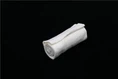
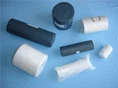
Hey there! As a supplier of training bandages, I've seen firsthand how crucial it is to choose the right one. Whether you're a first - aid trainer, a sports coach, or just someone who wants to be prepared for emergencies, picking the appropriate training bandage can make a world of difference. In this blog, I'll share some tips on how to make that choice.
Consider the Purpose
First off, you need to think about what you'll be using the training bandage for. Are you using it for basic first - aid training? If so, you'll want a bandage that closely mimics the real thing in terms of feel and application. For example, in a first - aid class, students need to learn how to properly wrap a wound to stop bleeding or support an injured limb. A bandage that's too stiff or too stretchy won't give them an accurate experience.
On the other hand, if you're using the bandage for sports training, like wrapping a sprained ankle during a practice session, you'll need something that provides good support and is comfortable to wear for an extended period. Some sports bandages are designed to be breathable, which is great for athletes who will be sweating a lot.
Size Matters
The size of the training bandage is a big deal. Different situations call for different sizes.
6 Inch Training Bandage
A 6 Inch Training Bandage is quite large. It's ideal for covering big wounds or areas, like large burns or when you need to wrap around a thick part of the body, such as the thigh. If you're training for treating major injuries, this size can be very useful. It allows for a wide coverage area, which is essential when dealing with significant trauma.
4 Inch Training Bandage
The 4 Inch Training Bandage is a more versatile option. It can be used for medium - sized wounds, like those on the forearm or calf. It's also great for wrapping joints, such as the knee or elbow. This size strikes a balance between being large enough to cover a decent area and small enough to be maneuverable.


Abdominal Training Bandage
For injuries around the abdomen, a Abdominal Training Bandage is the way to go. It's specifically designed to fit the contours of the abdominal area. This type of bandage provides support and helps to keep dressings in place over the abdomen, which is important as this area can be quite sensitive and requires proper care.
Material and Quality
The material of the training bandage can have a huge impact on its performance. There are several common materials used in training bandages:
- Cotton: Cotton bandages are soft and breathable. They're a popular choice for first - aid training because they're gentle on the skin. However, they may not be as durable as some other materials.
- Elastic: Elastic bandages are great for providing support. They can stretch and conform to the shape of the body part, making them ideal for sports injuries. But if they're too tight, they can restrict blood flow, so it's important to use them correctly.
- Synthetic materials: Some bandages are made from synthetic materials, which can be more durable and water - resistant. These are good for outdoor training or in situations where the bandage might get wet.
When it comes to quality, you don't want to skimp. A high - quality bandage will hold up better during training sessions and provide a more realistic experience. Cheaper bandages may tear easily or not stick well, which can be frustrating for both trainers and trainees.
Ease of Use
You want a training bandage that's easy to work with. This means it should be easy to unwrap, wrap around the body part, and secure. Some bandages come with self - adhesive strips or Velcro closures, which make the application process a breeze. Others may require tying knots, which can be a bit more challenging, especially for beginners.
If you're training a group of people, an easy - to - use bandage can save a lot of time and reduce the frustration level. It allows trainees to focus on learning the proper techniques rather than struggling with the bandage itself.
Cost
Cost is always a factor. You need to find a balance between getting a good - quality bandage and staying within your budget. While it's tempting to go for the cheapest option, remember that a low - quality bandage may not serve its purpose well. On the other hand, you don't have to break the bank either. There are many mid - range bandages that offer a good combination of quality and affordability.
Compatibility with Training Goals
Your training goals should also influence your choice of training bandage. If you're training for military or combat - related first - aid, you might need bandages that are designed to be used in high - stress, dirty environments. These bandages may be more rugged and have features like quick - release mechanisms.
If you're training for civilian first - aid, such as in a community center or a school, you can focus more on bandages that are easy to use and gentle on the skin.
Availability of Accessories
Some training bandages come with accessories, like clips or extra padding. These can add to the functionality of the bandage. For example, clips can help to secure the bandage in place more easily, while extra padding can provide additional comfort for the person wearing the bandage.
Brand Reputation
It's always a good idea to check the brand reputation. A well - known and respected brand is more likely to produce high - quality bandages. You can look for reviews from other trainers or users to get an idea of how reliable a particular brand is.
In conclusion, choosing the right training bandage involves considering multiple factors, including purpose, size, material, ease of use, cost, compatibility with training goals, availability of accessories, and brand reputation. By taking the time to evaluate these aspects, you can ensure that you get the best bandage for your needs.
If you're interested in purchasing training bandages for your training needs, I'd love to have a chat with you. We can discuss your specific requirements and find the perfect bandage solutions for you. Reach out to start the procurement discussion and let's make your training sessions more effective!
References
- First - Aid Training Manuals
- Sports Medicine Journals
- Industry Reports on Bandage Manufacturing