




Keeping a first aid bandage in place on an active person can be a challenging task, but it is crucial for effective wound care and preventing further injury. As a first aid bandage supplier, I understand the importance of reliable bandage retention, especially in dynamic situations. In this blog post, I will share some practical tips and techniques to help you keep a first aid bandage securely in place on an active individual.
Choose the Right Bandage
The first step in ensuring proper bandage retention is selecting the appropriate type of bandage for the injury and the activity level of the person. Different injuries require different types of bandages, and the choice of bandage can significantly impact its ability to stay in place.
- Adhesive Bandages: Adhesive bandages, also known as sticking plasters or band - aids, are ideal for small cuts, scrapes, and blisters. They are easy to apply and provide a secure seal. Look for adhesive bandages with strong, hypoallergenic adhesives that can withstand movement and moisture. Our 3 Inch First Aid Bandage is a great option for larger minor wounds, offering a wider coverage area while still adhering well.
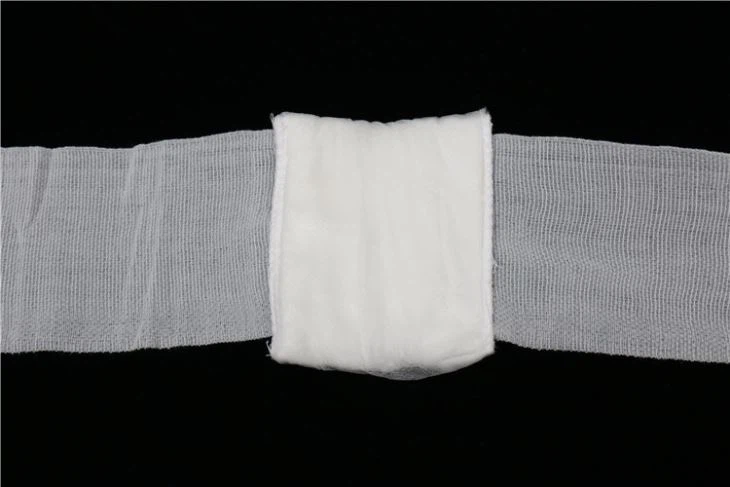
- Gauze Bandages: Gauze bandages are commonly used for larger wounds, burns, or as a secondary layer over a dressing. They are highly absorbent and can be wrapped around a limb or body part. To keep gauze bandages in place, you may need to use additional securing methods such as tape or a self - adhering bandage. Our 4 Inch First Aid Bandage in gauze material is suitable for more substantial injuries, providing ample coverage and absorbency.
- Elastic Bandages: Elastic bandages are useful for providing compression and support to sprains, strains, and joint injuries. They conform well to the body's shape and can help reduce swelling. However, they need to be wrapped tightly enough to stay in place without restricting blood circulation. Make sure to choose an elastic bandage with a good amount of stretch and a non - slipping surface.
Prepare the Skin
Proper skin preparation is essential for ensuring that the bandage adheres well. Here are some steps to follow:

- Clean the Area: Wash the wound and the surrounding skin gently with mild soap and water. Pat the area dry with a clean towel. Avoid using harsh chemicals or alcohol, as they can irritate the skin and affect the adhesive properties of the bandage.
- Shave if Necessary: If the area where the bandage will be applied has a lot of hair, consider shaving it. Hair can prevent the bandage from adhering properly and may cause discomfort when the bandage is removed.
- Apply a Skin Protectant: In some cases, applying a thin layer of skin protectant, such as a petroleum jelly or a skin - friendly adhesive spray, can help the bandage stick better and reduce skin irritation. However, make sure to follow the instructions on the product carefully.
Apply the Bandage Correctly
The way you apply the bandage can greatly influence its ability to stay in place. Here are some guidelines:
- Follow the Right Technique: When applying an adhesive bandage, remove the backing paper carefully and place the bandage over the wound, centering it properly. Press down firmly on the edges to ensure good adhesion. For gauze or elastic bandages, start at the end closest to the body and wrap the bandage smoothly and evenly around the limb or body part. Overlap each layer slightly to prevent gaps.
- Avoid Wrinkles and Bubbles: Make sure the bandage lies flat against the skin without any wrinkles or bubbles. Wrinkles can create weak points where the bandage may start to peel off, and bubbles can trap moisture and lead to skin irritation.
- Secure the Ends: For bandages that are wrapped around a limb, use tape or a self - adhering closure to secure the ends. Make sure the ends are tucked in neatly to prevent them from catching on clothing or other objects.
Use Additional Securing Methods
In some situations, especially when the person is very active, you may need to use additional methods to keep the bandage in place:
- Medical Tape: Medical tape can be used to reinforce the edges of an adhesive bandage or to secure a gauze or elastic bandage. Choose a tape that is hypoallergenic and has good adhesion. Apply the tape in a way that does not pull on the skin when the person moves.
- Self - Adhering Bandages: Self - adhering bandages, also known as cohesive bandages, stick to themselves but not to the skin. They are great for providing additional support and keeping other bandages in place. Wrap the self - adhering bandage over the existing bandage, overlapping the layers as needed.
- Bandage Sleeves or Wraps: There are specialized bandage sleeves or wraps available that can be used to hold bandages in place, especially on joints or areas that are prone to movement. These sleeves are made of stretchy materials and can provide a snug fit.
Consider the Activity Level
The activity level of the person wearing the bandage is an important factor to consider. Here are some tips based on different activities:
- Light Activity: For light activities such as walking or sitting, a properly applied bandage should stay in place without much issue. However, it is still a good idea to check the bandage regularly to make sure it has not shifted.
- Moderate Activity: If the person is engaging in moderate activities like jogging or doing household chores, additional securing methods may be necessary. Use medical tape or a self - adhering bandage to reinforce the bandage. Also, make sure the bandage is not too tight, as it can restrict movement and cause discomfort.
- High - Intensity Activity: In high - intensity activities such as sports or heavy manual labor, the bandage needs to be extremely secure. Consider using a combination of methods, such as a self - adhering bandage over a gauze bandage, and then using a bandage sleeve for extra support. It may also be necessary to re - apply or adjust the bandage during breaks in the activity.
Monitor and Replace the Bandage
Regular monitoring of the bandage is essential to ensure that it remains in place and the wound is healing properly. Check the bandage at least once a day for signs of loosening, slipping, or moisture buildup. If the bandage becomes dirty, wet, or starts to come off, replace it immediately.
In conclusion, keeping a first aid bandage in place on an active person requires careful consideration of the bandage type, proper skin preparation, correct application techniques, and the use of additional securing methods. By following these tips, you can ensure that the bandage stays in place effectively, providing the necessary protection and support for the wound.
If you are in need of high - quality first aid bandages for your home, workplace, or medical facility, we are here to help. As a leading first aid bandage supplier, we offer a wide range of bandages to meet your specific needs. Contact us today to discuss your requirements and start a procurement negotiation.
References
- American Red Cross. First Aid Manual.
- Mayo Clinic. Wound Care and Bandaging.
- National Institute of Health. Skin Care and Bandage Application.