




If a gauze pad gets wet, it can pose several risks to the wound and the overall healing process. As a leading supplier of high - quality gauze pads, including Non-Sterile Non-woven Pad, Non Adherent Pad, and Sterilized Non-woven Gauze Pad, I am here to provide you with comprehensive guidance on what to do in such a situation.
First and foremost, understanding why a wet gauze pad is a concern is crucial. A wet gauze pad can become a breeding ground for bacteria. Moist environments are ideal for the growth and multiplication of various microorganisms. When bacteria accumulate on the wet gauze, they can easily transfer to the wound, increasing the risk of infection. Infections can delay the healing process, cause pain, and in severe cases, lead to more serious health complications.
Another issue with a wet gauze pad is that it can lose its integrity. Gauze pads are designed to provide a certain level of protection and absorbency. When they get wet, the fibers may break down, reducing their ability to effectively cover and protect the wound. This can expose the wound to external contaminants and physical damage.
So, what steps should you take if you find that a gauze pad has become wet?
Step 1: Assess the Situation
The first thing to do is to carefully assess the wound and the wet gauze pad. Check the condition of the wound. Look for signs of redness, swelling, discharge, or an unpleasant odor. These could be indicators of an infection. Also, examine the wet gauze to see if it has any visible signs of contamination, such as dirt or debris.
Step 2: Gather the Necessary Supplies
Before you remove the wet gauze pad, make sure you have all the supplies you need for the dressing change. This includes a new, clean gauze pad (it is recommended to use a Sterilized Non-woven Gauze Pad for better protection against infection), sterile gloves, antiseptic solution, and clean tweezers or forceps.
Step 3: Wash Your Hands
Proper hand hygiene is essential to prevent the introduction of bacteria to the wound. Wash your hands thoroughly with soap and warm water for at least 20 seconds. If soap and water are not available, use an alcohol - based hand sanitizer.
Step 4: Put on Sterile Gloves
Once your hands are clean, put on a pair of sterile gloves. This will further reduce the risk of contamination during the dressing change.
Step 5: Remove the Wet Gauze Pad
Using clean tweezers or forceps, gently remove the wet gauze pad from the wound. Be careful not to tug or pull too hard, as this can cause pain and damage to the wound. If the gauze is stuck to the wound, moisten it with a small amount of sterile saline solution to help loosen it.
Step 6: Clean the Wound
After removing the wet gauze, clean the wound with an antiseptic solution. Use a clean cotton ball or swab to gently apply the antiseptic around the wound. Make sure to follow the instructions on the antiseptic product for proper use.
Step 7: Apply a New Gauze Pad
Once the wound is clean and dry, apply a new, sterile gauze pad. Place it gently over the wound, making sure it covers the entire area. If necessary, use medical tape to secure the gauze pad in place.
Step 8: Dispose of the Used Supplies
Properly dispose of the used gauze pad, gloves, and any other disposable supplies. Place them in a sealed plastic bag and throw them in the trash. This helps prevent the spread of bacteria.
Preventive Measures
To avoid having a gauze pad get wet in the first place, there are several preventive measures you can take.

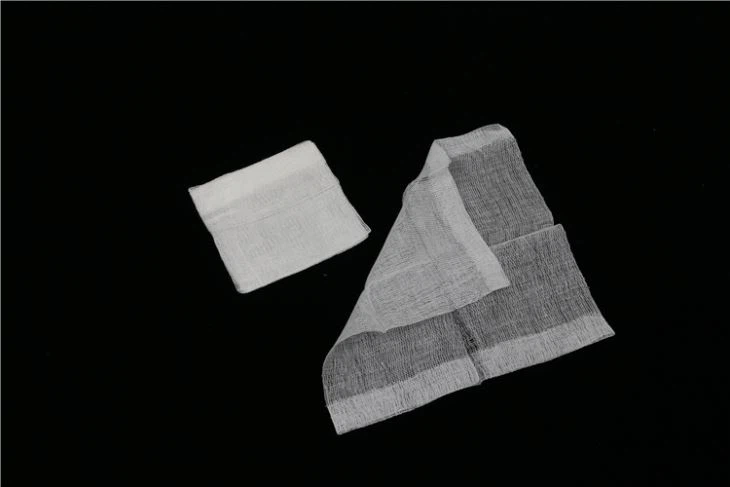
- Protect the Wound During Activities: If you are going to engage in activities where the wound may get wet, such as showering or swimming, use a waterproof dressing or cover the wound with a plastic wrap secured with tape.
- Monitor the Wound Regularly: Check the wound and the gauze pad frequently to ensure that the dressing is dry and intact. If you notice any signs of wetness or leakage, take immediate action.
- Choose the Right Gauze Pad: Select a gauze pad with high absorbency. Our Non-Sterile Non-woven Pad and Non Adherent Pad are designed to provide excellent absorbency, which can help keep the wound dry for a longer period.
As a supplier of high - quality gauze pads, we understand the importance of providing products that meet the highest standards of quality and safety. Our range of gauze pads is carefully manufactured to ensure optimal performance in wound care. Whether you are a healthcare professional, a caregiver, or an individual taking care of your own wound, our products can provide the protection and support you need.
If you are interested in purchasing our gauze pads or have any questions about wound care, we encourage you to contact us for more information and to discuss your specific requirements. We are committed to providing you with the best products and services to meet your needs.
References
- "Wound Care Basics: A Guide for Patients and Caregivers", American Academy of Dermatology
- "Principles of Wound Management", National Institute for Health and Care Excellence (NICE)