



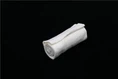
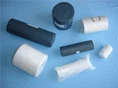
Gauze rolls are essential medical supplies used in a wide range of applications, from wound dressing to first - aid treatments. However, one common issue that healthcare professionals, patients, and even suppliers like me often encounter is the gauze roll slipping off. In this blog, I'll share some effective strategies to prevent a gauze roll from slipping off, based on my experience as a gauze roll supplier.
Understanding the Problem
Before we delve into the solutions, it's important to understand why gauze rolls slip off in the first place. There are several factors that can contribute to this problem. Firstly, the surface of the skin where the gauze is applied can be smooth or oily, reducing the friction between the gauze and the skin. Secondly, the movement of the body part where the gauze is placed can cause the gauze to shift. Thirdly, the quality and type of the gauze itself can play a role. For example, a very thin or loosely - woven gauze may be more prone to slipping.
Choosing the Right Type of Gauze
As a supplier, I offer a variety of gauze rolls, each with its own characteristics. One option that can help prevent slipping is the 100% Cotton Gauze Roll. Cotton gauze is known for its absorbency and softness, but it also has a relatively high friction coefficient, which means it can grip the skin better. The natural fibers of cotton create a more textured surface that adheres to the skin, reducing the likelihood of slipping.
Another option is the Non - woven Gauze Rolls. Non - woven gauze is made by bonding fibers together rather than weaving them. This results in a more stable and less likely to fray material. Some non - woven gauze rolls are also treated with special adhesives or coatings that enhance their adhesion to the skin.
Preparing the Skin
Proper skin preparation is crucial for ensuring that the gauze stays in place. Before applying the gauze, the skin should be clean and dry. Any dirt, oil, or moisture on the skin can act as a lubricant, causing the gauze to slip. Use a mild soap and water to clean the area, and then pat it dry gently with a clean towel.


If the skin is particularly oily, you can use an alcohol - based antiseptic wipe to degrease the area. However, be careful not to over - dry the skin, as this can cause irritation. After cleaning and drying, you can also apply a thin layer of skin adhesive or tincture of benzoin to the skin. These products create a sticky surface that helps the gauze adhere better.
Applying the Gauze Correctly
The way you apply the gauze also matters. Start by unrolling a small section of the gauze and placing it at the center of the area to be covered. Make sure the gauze is smooth and free of wrinkles. Then, slowly wrap the gauze around the body part, applying gentle tension as you go. The tension should be firm enough to hold the gauze in place but not so tight that it restricts blood circulation.
When wrapping, overlap each layer of the gauze by about half of its width. This creates a more secure bond and reduces the chances of the gauze unraveling. For irregularly - shaped body parts, such as joints, you may need to use a figure - eight or spiral wrapping technique. These techniques help the gauze conform to the shape of the body part and stay in place better.
Using Additional Securing Methods
In some cases, additional securing methods may be necessary to prevent the gauze from slipping off. One common method is to use medical tape. Apply a strip of medical tape over the end of the gauze roll to hold it in place. You can also use tape to secure the edges of the gauze along the wrapped area. Make sure the tape is not too tight, as this can cause skin irritation.
Another option is to use elastic bandages or compression wraps. These can be wrapped over the gauze to provide extra support and keep the gauze in place. Elastic bandages are especially useful for areas that are subject to a lot of movement, such as the knees or elbows.
Regular Monitoring and Adjustment
Even with the best prevention methods, it's important to regularly monitor the gauze to ensure it stays in place. Check the gauze periodically to see if it has started to slip or if the edges are coming loose. If you notice any issues, make the necessary adjustments immediately.
If the gauze has slipped significantly, you may need to remove it and re - apply it correctly. This may be a bit time - consuming, but it's essential for maintaining the effectiveness of the dressing and preventing complications.
Storage and Handling of Gauze Rolls
Proper storage and handling of gauze rolls can also affect their ability to stay in place. Gauze rolls should be stored in a cool, dry place away from direct sunlight. Exposure to heat and humidity can cause the gauze to become limp and less likely to adhere to the skin.
When handling the gauze, make sure your hands are clean to avoid transferring dirt or oils to the gauze. Also, avoid touching the adhesive side of the gauze if it has one, as this can reduce its stickiness.
Educating End - Users
As a gauze roll supplier, I believe that educating end - users about how to prevent gauze from slipping off is just as important as providing high - quality products. I often offer training sessions and informational materials to healthcare facilities, patients, and other customers. These resources cover topics such as skin preparation, proper application techniques, and additional securing methods.
By empowering end - users with the knowledge and skills to use gauze effectively, we can improve the overall quality of care and reduce the incidence of gauze - related problems.
Conclusion
Preventing a gauze roll from slipping off is a multi - faceted challenge that requires a combination of choosing the right type of gauze, proper skin preparation, correct application techniques, and the use of additional securing methods. As a gauze roll supplier, I am committed to providing high - quality products and sharing my expertise to help my customers overcome this common issue.
If you are interested in purchasing our high - quality gauze rolls or have any questions about preventing gauze from slipping off, please feel free to contact us for a procurement discussion. We look forward to working with you to meet your medical supply needs.
References
- American Academy of Dermatology. (2023). Skin care for wound healing.
- World Health Organization. (2022). Guidelines on first - aid.
- Smith, J. M., & Johnson, A. B. (2021). The importance of proper dressing application in wound management. Journal of Medical Supplies and Equipment, 15(2), 78 - 85.