



Hey there! As a first aid bandage supplier, I've seen all kinds of bandages out there, from the good to the not - so - good. And let me tell you, it's super important to know how to tell if a first aid bandage is of good quality. After all, these little things can make a huge difference in an emergency situation.
Material Matters
The first thing you gotta look at is the material of the bandage. Good quality bandages are usually made from high - grade materials. For instance, if it's a gauze bandage, the gauze should be soft and absorbent. Softness is crucial because it won't irritate the skin when it's wrapped around a wound. And absorbency? Well, that's key for soaking up any blood or other fluids from the injury.
A bandage made from cheap, rough gauze can actually do more harm than good. It might scratch the wound, causing more pain and potentially leading to an infection. On the other hand, a high - quality gauze bandage will conform to the shape of the body part it's wrapped around, providing a snug and comfortable fit.
When it comes to adhesive bandages, the backing material should be flexible and breathable. You don't want a bandage that traps moisture against the skin, as that can create a breeding ground for bacteria. A good adhesive bandage will allow air to circulate, which helps the wound heal faster.
Adhesive Strength
Another important factor is the adhesive strength. You want a bandage that will stay in place when you need it to, but won't leave a sticky mess when you remove it. For adhesive bandages, the adhesive should be strong enough to hold the bandage securely on the skin, even during movement. But it shouldn't be so strong that it tears the skin when you try to take it off.

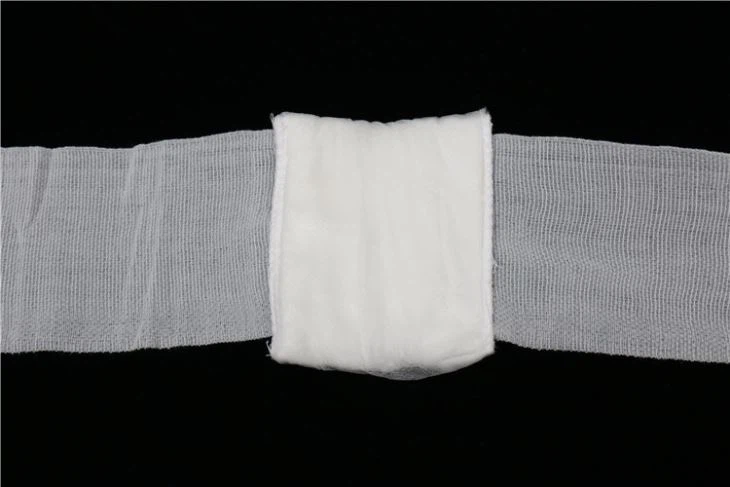
If you're using a self - adhering bandage, like an elastic wrap, it should stick to itself well without losing its grip. You don't want it to unravel halfway through treating an injury. And when you're done, it should be easy to remove without causing any pain or damage to the skin.
Size and Thickness
Size and thickness also play a big role in determining the quality of a first aid bandage. The right size is essential for proper wound coverage. A bandage that's too small won't cover the wound completely, leaving it exposed to dirt and bacteria. A bandage that's too large can be cumbersome and may not stay in place properly.
Thickness matters too. A thicker bandage can provide more padding and protection for deeper wounds. But for minor cuts and scrapes, a thinner bandage might be more appropriate. It'll still do the job of covering the wound and preventing infection, without being too bulky.
We offer a variety of sizes, including the 3 Inch First Aid Bandage and the 4 Inch First Aid Bandage, to meet different needs.
Sterility
Sterility is non - negotiable when it comes to first aid bandages. You want to make sure that the bandage you're using is free from any harmful microorganisms. A good quality bandage will be individually packaged in a way that maintains its sterility until you're ready to use it.
The packaging should be sealed properly, without any signs of damage or tampering. If the packaging is torn or looks like it's been opened, don't use the bandage. It might be contaminated, and using it could lead to an infection.
Stretch and Elasticity
For elastic bandages, stretch and elasticity are important. A good elastic bandage should be able to stretch to fit around different body parts, but also have enough elasticity to provide support. It should be able to apply the right amount of pressure to the injured area without cutting off circulation.
If an elastic bandage doesn't stretch enough, it won't fit properly and may not provide the support needed. On the other hand, if it's too stretchy and loses its shape quickly, it won't be effective in holding the wound in place or providing compression.
Durability
Durability is something you can't overlook. A high - quality first aid bandage should be able to withstand normal wear and tear. It shouldn't fall apart or lose its effectiveness after a short period of time. Whether it's being exposed to moisture, friction, or movement, the bandage should stay intact and continue to do its job.
For example, if you're using a bandage on a joint that's constantly moving, it needs to be durable enough to stay in place without tearing. And if it gets wet, it should still maintain its integrity until you can replace it.
Certification
One way to ensure that a first aid bandage is of good quality is to look for proper certification. Reputable bandage manufacturers will have their products tested and certified by relevant authorities. Certifications indicate that the bandage meets certain standards for safety and performance.
So, when you're shopping for first aid bandages, check if they have certifications like ISO (International Organization for Standardization) or CE (Conformité Européene). These certifications give you peace of mind that you're getting a reliable product.
Price vs. Quality
Now, I know price is always a consideration. But when it comes to first aid bandages, you really do get what you pay for. Cheaper bandages may seem like a good deal at first, but they often lack the quality and performance of more expensive ones.
A low - quality bandage might fall off easily, not provide adequate protection, or even cause skin irritation. In the long run, it's better to invest in good quality bandages that you can trust to work when you need them most.
Why Choose Our Bandages
As a first aid bandage supplier, we take pride in offering high - quality bandages that meet all the criteria I've mentioned above. Our bandages are made from top - notch materials, have the right adhesive strength, come in a variety of sizes, and are properly sterilized.
We understand the importance of having reliable first aid supplies, and that's why we go the extra mile to ensure the quality of our products. Whether you're a healthcare professional, a first responder, or just someone who wants to keep a well - stocked first aid kit at home, our bandages are a great choice.
If you're interested in purchasing our first aid bandages, we'd love to have a chat with you. We can discuss your specific needs and help you find the right bandages for your situation. Contact us for more information and let's start a conversation about how we can meet your first aid bandage requirements.
References
- American Red Cross First Aid Manual
- World Health Organization Guidelines on First Aid
- ASTM International Standards for First Aid Products