



Hey there! As a supplier of first aid bandages, I often get asked about how to use our products properly. Today, I'm gonna focus on one specific area: the elbow. Knowing how to apply a first aid bandage on an elbow can be super useful in case of injuries like cuts, sprains, or strains. So, let's dive right in!
Step 1: Gather Your Supplies
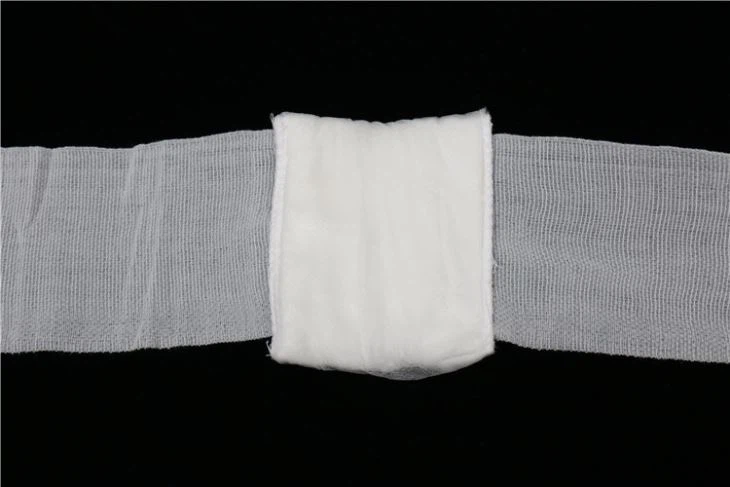
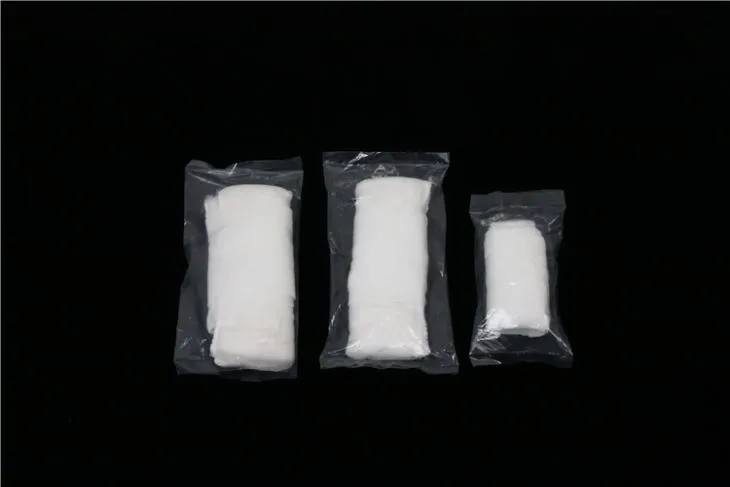
Before you start bandaging, you need to have the right stuff on hand. For an elbow injury, either a 4 Inch First Aid Bandage or a 3 Inch First Aid Bandage will work great. The 4-inch one is a bit wider, which can be good for more extensive injuries or if you want extra coverage. The 3-inch is a bit more flexible and might be better for smaller areas or if you need a more precise fit.
You'll also need some clean gloves to protect the wound from infection, some antiseptic wipes to clean the area around the injury, and possibly some gauze pads if there's any bleeding.
Step 2: Clean the Wound
Put on your gloves first. Then, gently clean the area around the elbow injury with the antiseptic wipes. This helps get rid of dirt, bacteria, and other gunk that could cause an infection. If there's any debris in the wound, try to carefully remove it with the wipes. But if it's deep or there's a lot of debris, don't try to dig it out yourself. Just do your best to clean the surface and get in touch with a medical professional asap.
Step 3: Prepare the Bandage
Take your chosen first aid bandage and unwind a little bit of it. You want to have enough to start wrapping around the elbow without having to fumble around too much. Keep the roll of the bandage handy so you can easily keep wrapping as you go.
Step 4: Start Wrapping
Place the end of the bandage just below the elbow, on the inside part of the arm. Hold it in place with your thumb. Then, start wrapping the bandage around the arm, going over the elbow in a figure-eight pattern. This pattern is really important because it helps the bandage stay in place better and conforms to the shape of the elbow.
As you wrap, make sure the bandage is snug but not too tight. You should be able to fit a finger under the bandage without too much difficulty. If it's too tight, it can cut off blood circulation, which is a big no-no. If it's too loose, it won't provide enough support.
Step 5: Keep Wrapping
Continue wrapping the bandage in the figure-eight pattern, going up and down over the elbow a few times. Each time you wrap, overlap the previous layer of the bandage by about half. This helps make sure the bandage stays secure and doesn't come off easily.
Make sure to cover the entire injured area. If it's a small cut, you might only need to wrap a few times. But if it's a larger area, like a sprain that goes all around the elbow, you'll need to wrap more.
Step 6: Secure the Bandage
Once you've covered the injured area to your satisfaction, you need to secure the end of the bandage. Most of our first aid bandages have a built-in adhesive strip at the end. Just peel off the backing and stick it to the bandage to keep it in place. If it doesn't have an adhesive strip, you can use some medical tape to secure the end.
Step 7: Check the Circulation
After you've finished bandaging, check the circulation in the hand. Look at the fingers. They should be a normal color, not pale or blue. Try squeezing a finger gently and see if the color comes back quickly. If the fingers look odd or if there's any numbness or tingling, the bandage is probably too tight. Loosen it up a bit and check again.
When to Replace the Bandage
You should replace the bandage regularly. If it gets wet, dirty, or starts to come loose, it's time for a new one. Also, if the wound starts to look worse, like it's getting more red, swollen, or there's pus coming out, remove the bandage and get medical help right away.
So, there you have it! That's how you use a first aid bandage on an elbow. Whether you're an athlete, a parent, or just someone who wants to be prepared for emergencies, knowing how to bandage an elbow properly can make a big difference.
If you're in the market for high-quality first aid bandages, whether it's the 4 Inch First Aid Bandage or the 3 Inch First Aid Bandage, we've got you covered. We offer a wide range of first aid products that are designed to be effective and easy to use. If you're interested in purchasing our first aid bandages in bulk for your business, school, or organization, don't hesitate to get in touch for a procurement discussion.
References
- American Red Cross. First Aid Manual.
- Mayo Clinic. First Aid Basics.