





Blisters are a common and often painful skin issue that can result from various causes, such as friction, burns, or certain medical conditions. Properly treating a blister is crucial to prevent infection and promote healing. One effective and commonly used tool in blister care is a gauze roll. As a leading supplier of high - quality gauze rolls, I'm here to share with you how to use a gauze roll for a blister.
Understanding Blisters
Before we delve into using a gauze roll, it's important to understand what blisters are. Blisters are small pockets of fluid that form on the upper layers of the skin. The fluid is usually clear and serves as a natural protective mechanism of the body. It cushions the damaged area and helps prevent further injury.
There are different types of blisters, including friction blisters, which are the most common and are often caused by repetitive rubbing, like wearing ill - fitting shoes. Burn blisters occur due to exposure to heat, chemicals, or radiation. And then there are blisters associated with medical conditions such as chickenpox or shingles.
Why Use a Gauze Roll for Blisters?
Gauze rolls offer several advantages when it comes to blister care. Firstly, they provide a protective barrier between the blister and the external environment. This helps prevent dirt, bacteria, and other contaminants from coming into contact with the blister, reducing the risk of infection.
Secondly, gauze is absorbent. It can soak up any fluid that may leak from the blister, keeping the area dry and promoting a more hygienic healing environment. Additionally, the soft texture of gauze is gentle on the sensitive blister area, minimizing discomfort.
Types of Gauze Rolls Suitable for Blisters
We offer a variety of gauze rolls that are ideal for blister care. One popular option is the Non - woven Gauze Rolls. Non - woven gauze is made from fibers that are bonded together rather than woven, which gives it a soft and flexible texture. It is highly absorbent and conforms well to the shape of the blister, providing a snug and comfortable fit.
Another excellent choice is the 100% Cotton Gauze Roll. Cotton is a natural material that is hypoallergenic, making it suitable for people with sensitive skin. It is also breathable, allowing air to circulate around the blister, which is essential for the healing process.
Step - by - Step Guide on Using a Gauze Roll for a Blister
Step 1: Prepare the Area
The first step in treating a blister with a gauze roll is to prepare the area around the blister. Wash your hands thoroughly with soap and water to prevent introducing any bacteria to the blister. Then, gently clean the blister and the surrounding skin with mild soap and warm water. Pat the area dry with a clean towel. Avoid popping the blister unless it is very large, painful, or likely to burst on its own. If you do need to pop the blister, sterilize a needle with rubbing alcohol, make a small hole at the edge of the blister, and gently press out the fluid. Do not remove the overlying skin, as it acts as a natural barrier against infection.
Step 2: Cut the Gauze Roll
Take your gauze roll and cut a piece that is large enough to cover the blister with some extra margin around it. The size of the piece will depend on the size of the blister. For a small blister, a 2 - inch by 2 - inch piece may be sufficient, while a larger blister may require a 4 - inch by 4 - inch piece.
Step 3: Apply the Gauze
Place the cut piece of gauze directly over the blister. Make sure it is centered and covers the entire blister area. If the blister is on a joint or a curved part of the body, you may need to fold or shape the gauze to ensure a good fit.
Step 4: Secure the Gauze
Once the gauze is in place, you can secure it using medical tape or a self - adhesive bandage. Start at one end of the gauze and carefully apply the tape or bandage, pressing it down firmly but gently to avoid putting too much pressure on the blister. Make sure the edges of the tape or bandage are smooth and do not cause any irritation.
Step 5: Monitor and Change the Gauze
Check the blister and the gauze regularly. If the gauze becomes wet or soiled, it should be changed immediately. In general, it is a good idea to change the gauze at least once a day to keep the area clean and promote healing. When changing the gauze, follow the same steps as before to ensure proper care.
Tips for Using Gauze Rolls on Blisters
- Choose the right size: As mentioned earlier, make sure the gauze is large enough to cover the blister completely. A too - small piece may not provide adequate protection, while a too - large piece can be cumbersome and may not stay in place properly.
- Avoid tight wrapping: Do not wrap the gauze too tightly around the blister. This can restrict blood circulation and cause more discomfort. The gauze should be snug but not constricting.
- Keep it clean: Always use clean hands and clean tools when handling the gauze and treating the blister. This helps prevent the introduction of bacteria and reduces the risk of infection.
Conclusion
Using a gauze roll for a blister is a simple yet effective way to promote healing and prevent infection. By following the steps outlined above and choosing the right type of gauze, you can ensure that your blister receives the best possible care.
At our company, we take pride in providing high - quality gauze rolls that are suitable for a variety of medical applications, including blister care. Our Non - woven Gauze Rolls and 100% Cotton Gauze Roll are made from the finest materials and meet strict quality standards.

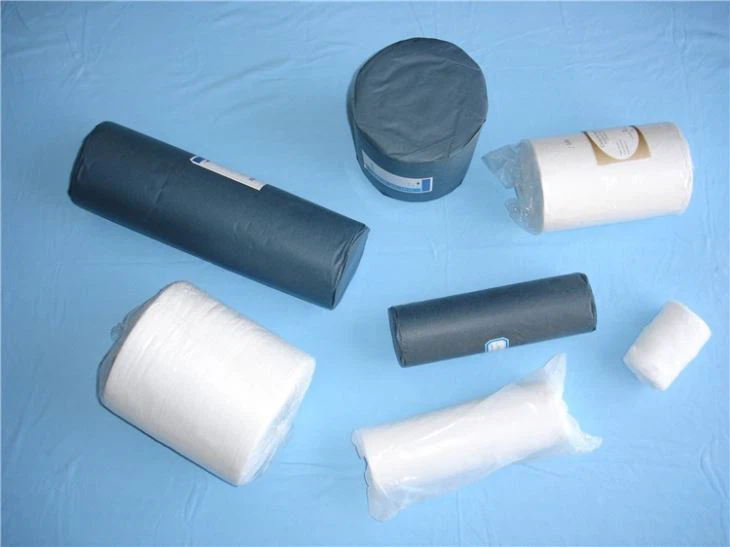
If you are interested in purchasing our gauze rolls for your medical needs, whether you are a healthcare provider, a retailer, or an individual looking for reliable blister care products, we invite you to contact us for a purchase and negotiation. We are committed to providing excellent customer service and competitive prices.
References
- American Academy of Dermatology Association. "Blisters: First aid."
- Mayo Clinic. "Blisters."
- World Health Organization. "Wound care and dressings."