



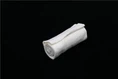
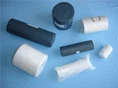
A puncture wound is a specific type of injury that occurs when a sharp, pointed object pierces the skin. This can range from a small splinter to a more serious injury from a nail or needle. Due to the nature of puncture wounds, they can be particularly tricky to treat because the object may introduce bacteria deep into the tissue, increasing the risk of infection. Gauze rolls are an essential tool in the first - aid process for such wounds, providing protection, absorption, and support during the healing process. As a reliable gauze roll supplier, I am here to guide you on how to use a gauze roll effectively for a puncture wound.
Step 1: Assess the Wound
Before reaching for the gauze roll, it is crucial to assess the severity of the puncture wound. Look at the size of the wound, the depth, and whether the object that caused the injury is still embedded. If the object is still in the wound, do not attempt to remove it on your own, especially if it is large or deeply embedded, as this can cause more bleeding and damage. Instead, seek immediate medical attention.
If the object has already been removed, check for excessive bleeding. If the blood is spurting or if the wound is not stopping bleeding after applying gentle pressure for a few minutes, this is a sign of a more serious injury, and you should go to the emergency room. For minor puncture wounds with minimal bleeding, you can proceed with the following steps.
Step 2: Clean the Wound
Proper wound cleaning is vital to prevent infection. Wash your hands thoroughly with soap and water before touching the wound. Then, gently rinse the puncture wound under cool, running water for at least 5 minutes. This helps to flush out any dirt, debris, or bacteria that may have entered the wound. You can also use a mild antiseptic solution, but make sure it is suitable for use on open wounds. Avoid using hydrogen peroxide or alcohol, as these can damage the healthy tissue around the wound and delay the healing process.
Step 3: Choose the Right Gauze Roll
As a gauze roll supplier, I understand the importance of selecting the appropriate type of gauze for the wound. There are different types of gauze rolls available, each with its own characteristics.
- 100% Cotton Gauze Roll: This type of gauze is made from natural cotton fibers, which are soft and absorbent. It is ideal for most puncture wounds as it can absorb the blood and other fluids from the wound without causing irritation to the skin. You can find a high - quality 100% Cotton Gauze Roll on our website.
- Non - woven Gauze Rolls: Non - woven gauze is made from synthetic fibers and is often more durable and less likely to leave lint in the wound. It is a good choice for wounds that require a more secure dressing or for patients with sensitive skin. Check out our Non - woven Gauze Rolls for more options.
Step 4: Prepare the Gauze
Once you have chosen the right gauze roll, cut a piece of gauze that is large enough to cover the puncture wound. You can use clean scissors to cut the gauze. Make sure the scissors are clean to avoid introducing more bacteria to the wound. If the gauze is too large, you can fold it to the appropriate size.
Step 5: Apply the Gauze to the Wound
Gently place the prepared gauze over the puncture wound. If the wound is still bleeding, apply gentle pressure on the gauze with your fingers for a few minutes until the bleeding stops. The pressure helps to promote blood clotting. Make sure the gauze covers the entire wound and extends a little beyond the edges to prevent any leakage.


Step 6: Secure the Gauze
After applying the gauze, you need to secure it in place. You can use medical tape or an elastic bandage to hold the gauze in position. If using medical tape, cut a few strips of tape and place them over the edges of the gauze, pressing firmly to ensure good adhesion. If using an elastic bandage, wrap it around the area with the gauze, making sure it is not too tight as this can restrict blood flow. A proper fit should be snug but still allow for some circulation.
Step 7: Monitor the Wound
After dressing the puncture wound with the gauze roll, it is important to monitor the wound regularly. Check for any signs of infection, such as increased pain, redness, swelling, warmth, or the presence of pus. If you notice any of these symptoms, remove the gauze and clean the wound again, and then consult a healthcare professional.
Change the gauze at least once a day or more frequently if it becomes wet or dirty. When changing the gauze, be gentle to avoid disturbing the healing process. Follow the same steps of cleaning the wound and applying a new piece of gauze.
Step 8: Disposal of Used Gauze
Proper disposal of used gauze is essential to prevent the spread of bacteria and infection. Place the used gauze in a sealed plastic bag and dispose of it in the trash. Do not reuse the gauze as it may be contaminated with bacteria and other pathogens.
Importance of Using Gauze Rolls Correctly
Using a gauze roll correctly for a puncture wound is not only about stopping the bleeding and protecting the wound. It also plays a significant role in promoting proper healing. A well - applied gauze dressing can create a moist environment that is conducive to cell growth and tissue repair. It also acts as a physical barrier against external contaminants, reducing the risk of infection.
In addition, using the right type of gauze roll can enhance patient comfort. Soft and absorbent gauze minimizes irritation to the skin, especially for those with sensitive skin. This is particularly important for long - term wound care, as patients may need to keep the dressing on for an extended period.
Contact for Procurement
If you are in need of high - quality gauze rolls for your medical facility, first - aid kits, or personal use, we are here to serve you. As a professional gauze roll supplier, we offer a wide range of gauze products to meet your different needs. Whether you need 100% cotton gauze rolls or non - woven gauze rolls, we have the right solution for you. Contact us to start a procurement discussion, and we will provide you with detailed product information and competitive pricing.
References
- American Academy of Family Physicians. (2023). Wound Care Basics.
- World Health Organization. (2022). Guidelines on Hand Hygiene in Health Care.
- National Institute of Diabetes and Digestive and Kidney Diseases. (2021). Skin Wound Care.