



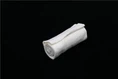
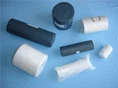
A torn ligament can be a painful and debilitating injury, often requiring immediate and proper care to ensure a smooth recovery. One essential tool in the first - aid and recovery process for such an injury is a gauze roll. As a reliable gauze roll supplier, I'm here to share with you how to effectively use a gauze roll for a torn ligament.
Understanding the Role of Gauze Rolls in Treating Torn Ligaments
Before delving into the application process, it's important to understand why a gauze roll is so useful. When a ligament is torn, there is usually swelling, bruising, and potential for external bleeding if there are associated abrasions. A gauze roll can serve multiple purposes:
- Compression: It can be used to apply gentle pressure to the injured area, which helps reduce swelling by limiting the flow of blood and fluids to the site of the injury.
- Protection: Gauze acts as a barrier between the torn ligament and the external environment, protecting it from dirt, bacteria, and further physical damage.
- Immobilization: In some cases, when combined with other support materials, a gauze roll can assist in immobilizing the injured joint to prevent further strain on the torn ligament.
Selecting the Right Gauze Roll
There are different types of gauze rolls available on the market, and choosing the appropriate one for a torn ligament is crucial.
100% Cotton Gauze Roll
Cotton gauze is a popular choice due to its softness and breathability. It is gentle on the skin, reducing the risk of irritation, especially when the skin around the injured area is already sensitive. You can find high - quality 100% Cotton Gauze Roll which is made from pure cotton fibers, ensuring maximum comfort for the patient. This type of gauze is also highly absorbent, making it suitable for soaking up any blood or exudate from the injury site.
Non - woven Gauze Rolls
Non - woven gauze rolls offer several advantages as well. They are more resistant to fraying compared to cotton gauze, which means they can maintain their integrity during the application process. Non - woven gauze is also often treated with anti - microbial agents, providing an extra layer of protection against infections. Check out our Non - woven Gauze Rolls for a reliable option that meets high - quality standards.
Preparing for the Application
Before using a gauze roll on a torn ligament, proper preparation is necessary.
Clean the Area
First, gently clean the area around the torn ligament with mild soap and water. This helps remove any dirt, debris, or bacteria that could potentially cause an infection. Pat the area dry with a clean towel. If there are any open wounds, you may need to apply an antiseptic solution as recommended by a medical professional.
Gather Supplies
In addition to the gauze roll, you may need other supplies such as scissors, tape, and a splint or brace if required. Make sure all the supplies are clean and within reach before you start the application process.
Applying the Gauze Roll
The following steps outline how to apply a gauze roll to a torn ligament:
Step 1: Start at the Base
Begin by placing the end of the gauze roll at the base of the injured area, near the joint. Hold the end firmly in place with one hand, making sure it lies flat against the skin.
Step 2: Wrap in a Spiral Motion
Slowly start wrapping the gauze roll around the injured area in a spiral motion. Each layer of the gauze should overlap the previous one by about half its width. This ensures even compression and proper coverage. As you wrap, apply gentle and consistent pressure. The pressure should be firm enough to provide compression but not so tight that it restricts blood circulation. You can test the circulation by checking the color and temperature of the skin below the wrapped area. If the skin turns pale or feels cold, or if the patient experiences numbness or tingling, the gauze is too tight and needs to be adjusted.
Step 3: Cover the Entire Injured Area
Continue wrapping the gauze roll until the entire injured area, including the torn ligament, is covered. Make sure to cover any associated abrasions or wounds as well. If the injury is near a joint, you may need to wrap the gauze in a way that allows for some movement of the joint while still providing support.
Step 4: Secure the End
Once you have finished wrapping, use tape or a safety pin to secure the end of the gauze roll. Make sure it is firmly attached so that the gauze does not come loose.


After - care and Monitoring
After applying the gauze roll, it's important to monitor the injured area regularly. Check for any signs of increased swelling, redness, or pain, as these could indicate a problem such as infection or improper compression. If the patient experiences any discomfort or if the condition of the injury worsens, seek medical attention immediately.
You may also need to change the gauze roll periodically, especially if it becomes dirty or saturated with blood or exudate. When changing the gauze, follow the same cleaning and application steps as before.
Importance of Quality Gauze Rolls
Using high - quality gauze rolls is of utmost importance when treating a torn ligament. Inferior quality gauze may fray easily, causing discomfort to the patient and potentially leaving fibers on the wound. It may also not provide adequate compression or protection, which can delay the healing process.
As a professional gauze roll supplier, we are committed to providing top - notch products that meet strict quality standards. Our gauze rolls are manufactured using the latest technology and high - grade materials, ensuring reliability and effectiveness in treating injuries like torn ligaments.
Connect with Us for Your Gauze Roll Needs
Whether you are a medical institution, a first - aid provider, or an individual looking for reliable gauze rolls for home use, we are here to meet your needs. We offer a wide range of gauze rolls, including the 100% Cotton Gauze Roll and Non - woven Gauze Rolls mentioned above.
If you are interested in learning more about our products or would like to discuss a potential purchase, we encourage you to reach out to us. Our team of experts is ready to assist you in selecting the right gauze rolls for your specific requirements. We can also provide you with detailed product information, pricing, and delivery options. Start your procurement journey with us today and experience the difference of using high - quality gauze rolls for torn ligament treatment.
References
- American Academy of Orthopaedic Surgeons. "Ligament Injuries." Available at the official website of the American Academy of Orthopaedic Surgeons.
- National Institute of Arthritis and Musculoskeletal and Skin Diseases. "Understanding Ligament Injuries." Research - based information on ligament injuries and their treatment.