





When venturing into remote areas, whether it's for a thrilling wilderness adventure, scientific research, or a long - term off - grid living experience, having a well - equipped first aid kit is not just a luxury but a necessity. As a first aid kit supplier, I understand the unique challenges and requirements that come with providing medical assistance in these isolated locations. In this blog, I'll discuss the key considerations for assembling a first aid kit tailored to remote areas.
1. Understanding the Environment
Remote areas can vary widely in terms of climate, terrain, and potential hazards. For example, a desert environment poses risks of dehydration, heatstroke, and snake bites, while a mountainous region may present the dangers of hypothermia, altitude sickness, and falls. Coastal areas could bring the threat of marine stings and drowning - related injuries.
Based on the specific environment, you need to adjust the contents of the first aid kit. In hot and dry regions, items like electrolyte packets, wide - brimmed hats, and high - SPF sunscreen should be included. In cold areas, thermal blankets, extra warm clothing, and hand warmers are essential.
2. Assessing Potential Injuries
- Trauma Injuries: In remote areas, the risk of serious trauma is often higher due to the lack of immediate medical facilities and the challenging terrain. Falls, cuts, and fractures are common. For this reason, your first aid kit should be well - stocked with trauma supplies. The Colors CAT Tourniquet is a must - have item. It can quickly stop severe bleeding from limb injuries, which can be life - saving in a remote setting where getting to a hospital may take hours or even days.
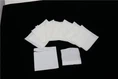
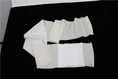
- Wound Care: Minor cuts and abrasions are also likely to occur. The Mini Dressing Bandage is a great addition. It is compact, easy to carry, and can be used to cover small wounds, preventing infection. In addition, antiseptic wipes, sterile gauze pads, and adhesive tape are essential for proper wound cleaning and dressing.
- Medical Conditions: Consider the pre - existing medical conditions of the people who will be in the remote area. If someone has diabetes, insulin and glucose testing supplies should be included. For those with heart conditions, medications like nitroglycerin may be necessary.
3. Durability and Portability
The first aid kit itself needs to be durable enough to withstand the rigors of the remote environment. It should be made of water - resistant and tear - resistant materials. A hard - shell case can protect the contents from impacts, while a soft - sided bag with multiple compartments allows for easy organization.
Portability is also crucial. In a remote area, you may need to carry the first aid kit over long distances on foot. A lightweight and compact design will make it easier to transport. Some first aid kits come with adjustable straps or backpack - style carrying options, which are very convenient for hiking or backpacking trips.
4. Training and Instructions
Even the best - equipped first aid kit is useless if the users don't know how to use it. Make sure that everyone in the group has basic first aid training. Include a detailed first aid manual in the kit, which provides step - by - step instructions on how to treat various injuries and medical conditions.
For more complex medical procedures, such as inserting an intravenous (IV) line, proper training is essential. The Butterfly I.V. Catheter can be a valuable addition to the first aid kit in a remote area, but only if someone in the group is trained to use it.
5. Shelf Life and Replacement
The supplies in the first aid kit have a limited shelf life. Medications, in particular, can lose their effectiveness over time. Regularly check the expiration dates of all items in the kit and replace them as needed.
Keep a record of when each item was purchased and when it needs to be replaced. This will ensure that the first aid kit is always in good working condition and ready to use in case of an emergency.
6. Communication Tools
In a remote area, communication is often limited. A first aid kit should include some form of communication device, such as a satellite phone or a personal locator beacon (PLB). These tools can be used to call for help in case of a serious emergency.
If possible, also include a whistle in the first aid kit. A whistle can be heard over long distances and is an effective way to signal for help if you are lost or injured.
7. Customization
No two remote areas are the same, and no two groups of people have exactly the same needs. Customize the first aid kit based on the specific circumstances. For example, if you are going on a fishing trip in a remote lake, you may want to include supplies for treating fishhook injuries, such as forceps and a small pair of scissors.
If you are traveling with children, include items like pediatric medications, child - sized bandages, and a thermometer suitable for children.
8. Quantity of Supplies
In a remote area, you may not have access to additional supplies for an extended period. Therefore, it's important to include an adequate quantity of each item in the first aid kit. Consider the number of people in the group and the duration of the trip when determining the quantity.


For example, if you are going on a week - long hiking trip with a group of five people, you should have enough pain relievers, bandages, and other common supplies to last for the entire trip.
9. Compatibility with Local Resources
If possible, try to make the first aid kit compatible with any local resources that may be available in the remote area. For example, if there are traditional healers or herbal remedies in the area, learn about them and see if they can be incorporated into the first aid plan.
This can be especially useful in cases where modern medical supplies are running low or are not effective for certain conditions.
10. Maintenance and Inspection
Regularly maintain and inspect the first aid kit. Check for any signs of damage, such as broken seals on medications or torn bandages. Make sure that all items are in their proper places and that the kit is clean and organized.
Before each trip to a remote area, conduct a thorough inspection of the first aid kit to ensure that it is fully stocked and ready to use.
As a first aid kit supplier, I am committed to providing high - quality, customized first aid kits that meet the unique needs of remote area use. Whether you are an individual adventurer, a research team, or a group of off - grid enthusiasts, I can help you assemble the perfect first aid kit. If you are interested in learning more about our products or would like to discuss your specific requirements, please reach out to us for a procurement consultation.
References
- American Red Cross. (2023). First Aid Manual.
- Wilderness Medical Society. (2023). Guidelines for Wilderness First Aid.
- National Park Service. (2023). Safety in Remote Areas.