




Hey there! As a supplier of First Aid Kits, I've seen firsthand the importance of having the right supplies on hand, especially when it comes to head injuries. Head injuries can range from minor bumps and scrapes to more serious concussions and bleeding, so it's crucial to be prepared. In this blog post, I'll walk you through the essential first-aid items for head injuries that should be included in every First Aid Kit.
1. Sterile Gauze Pads
Sterile gauze pads are a must-have for any First Aid Kit, especially when dealing with head injuries. They're great for cleaning and covering wounds to prevent infection. If there's bleeding from a head wound, you can apply direct pressure with a gauze pad to help stop the bleeding. Make sure to use a fresh, clean pad for each wound to avoid cross-contamination. You can find various sizes of sterile gauze pads, and it's a good idea to have a few different sizes in your kit.
2. Adhesive Bandages
Adhesive bandages, also known as Band-Aids, are perfect for small cuts and scrapes on the head. They come in different shapes and sizes, so you can choose the one that best fits the wound. These bandages not only protect the wound from dirt and bacteria but also help keep it clean and dry, which promotes faster healing. Keep a variety of sizes in your First Aid Kit, from small strips for minor cuts to larger ones for bigger wounds.
3. Antiseptic Wipes
Antiseptic wipes are essential for cleaning head wounds before applying a bandage or dressing. They help kill germs and reduce the risk of infection. When using an antiseptic wipe on a head wound, gently wipe around the wound in a circular motion, starting from the center and moving outward. Avoid getting the wipe directly into the wound, as this can cause irritation. You can find antiseptic wipes in most drugstores and they're a convenient addition to any First Aid Kit.
4. 4 Inch Compression Bandage
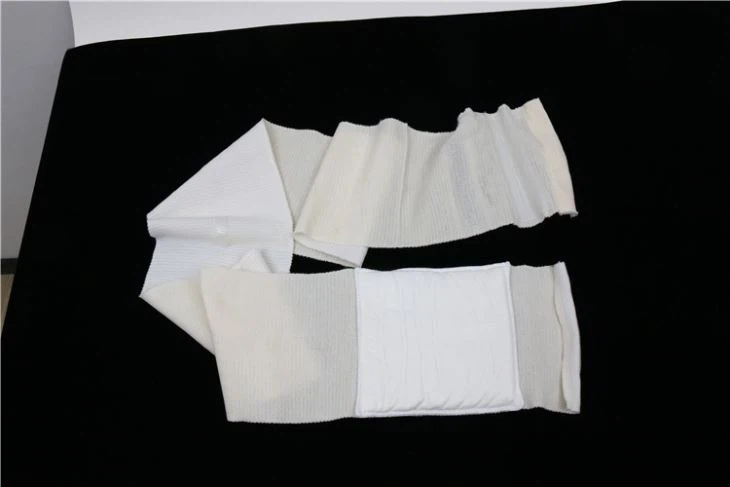
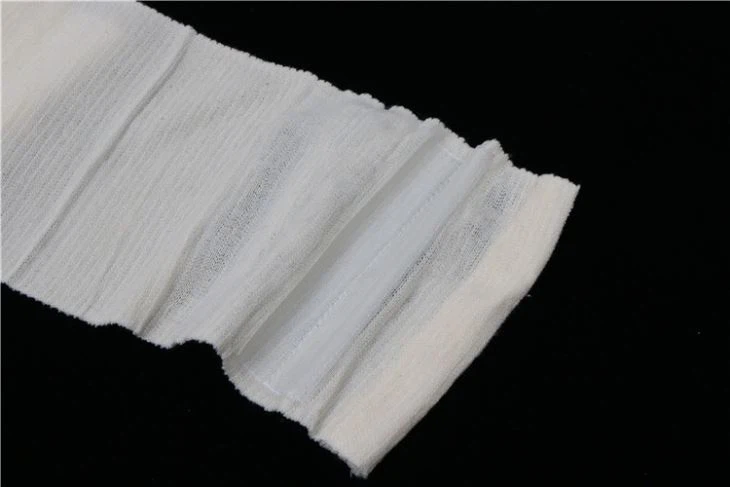
A 4-inch compression bandage is incredibly useful for head injuries, especially if there's significant bleeding. This bandage can be wrapped around the head to apply pressure and help control bleeding. It's important to wrap the bandage firmly but not too tightly to avoid cutting off circulation. The compression helps slow down the bleeding and gives you more time to seek further medical help if needed.
5. Cold Packs
Cold packs are great for reducing swelling and pain associated with head injuries. If someone has a bump or bruise on their head, applying a cold pack can help constrict blood vessels and reduce inflammation. You can use instant cold packs, which are easy to activate and don't require refrigeration. Just place the cold pack on the injured area for 15-20 minutes at a time, with breaks in between to avoid frostbite.
6. Triangular Bandage
A triangular bandage can be used in multiple ways for head injuries. It can be folded into a sling to support a head or neck injury, or it can be used as a pressure bandage. You can also use it to immobilize the head and neck in case of a suspected spinal injury. It's a versatile item that should definitely be in your First Aid Kit.
7. 6 Inch Training Bandage
The 6-inch training bandage is another great addition to your First Aid Kit for head injuries. It's wider than the 4-inch compression bandage, which makes it suitable for larger areas of the head. This bandage can be used for wrapping around the head to provide support and compression, especially in cases of more extensive injuries.
8. Tweezers
Tweezers are handy for removing any foreign objects, such as splinters or glass, from a head wound. Make sure to sterilize the tweezers before using them by wiping them with an antiseptic wipe. Gently grasp the object with the tweezers and pull it out in the same direction it entered the skin. If you're having trouble removing the object or if the wound is deep, it's best to seek medical help.
9. Scissors
Scissors are essential for cutting bandages, gauze, and tape. You'll need a pair of sharp, clean scissors in your First Aid Kit. When using scissors near a head wound, be extremely careful not to accidentally cut the skin. It's a good idea to have a pair of small, blunt-tipped scissors specifically for first-aid use.
10. Military First Aid Kit
If you want a comprehensive First Aid Kit for head injuries and other emergencies, a Military First Aid Kit is a great option. These kits are designed to handle a wide range of injuries and come with all the essential supplies you need, including many of the items I've mentioned above. They're also durable and portable, making them suitable for various situations, whether you're at home, at work, or on the go.
11. Instant Ice Packs
Instant ice packs are a convenient alternative to traditional cold packs. They're easy to carry around and can be activated quickly when needed. Just squeeze the pack to break the inner pouch, and the chemical reaction will create a cold temperature. These ice packs are great for reducing swelling and pain from head injuries, especially in situations where you don't have access to a freezer.
12. Pain Relievers
Pain relievers, such as acetaminophen or ibuprofen, can be helpful for relieving pain associated with head injuries. However, it's important to use them according to the instructions on the label and not give them to someone with certain medical conditions or who is taking other medications without consulting a doctor first. Keep a small supply of pain relievers in your First Aid Kit, but remember that they're not a substitute for proper medical treatment.
13. CPR Mask
A CPR mask is an important item in a First Aid Kit, especially in case of a serious head injury that may lead to unconsciousness and breathing problems. Performing CPR with a mask helps protect both the rescuer and the victim from the spread of germs. Make sure you know how to use a CPR mask correctly and keep it in your kit in case of an emergency.
14. Emergency Blanket
An emergency blanket is a lightweight, reflective blanket that can help keep a person warm in case of shock, which can sometimes occur after a head injury. It reflects the body's heat back to the person, helping to maintain their body temperature. These blankets are compact and easy to carry, so they're a great addition to any First Aid Kit.
15. First Aid Manual
Last but not least, a First Aid Manual is an invaluable resource. It provides step-by-step instructions on how to treat various head injuries and other medical emergencies. Make sure to keep a First Aid Manual in your First Aid Kit and take the time to read it so you know what to do in case of an emergency.
In conclusion, having the right first-aid items for head injuries in your First Aid Kit is crucial for being prepared in case of an accident. Whether it's a minor cut or a more serious head injury, these supplies can help you provide immediate care and potentially save a life. If you're interested in purchasing a high-quality First Aid Kit or any of the items mentioned in this blog post, feel free to reach out for more information and to discuss your specific needs. We're here to help you ensure that you have the best possible first-aid supplies on hand.
References
- American Red Cross. First Aid Manual.
- Mayo Clinic. First Aid: Head Injuries.