



When it comes to the well - being of our little ones, being prepared is of utmost importance. A baby first aid kit is an essential collection of supplies that can make a significant difference in handling minor injuries and emergencies. As a first aid kit supplier, I understand the critical role these kits play in safeguarding the health of infants and toddlers. In this blog, I'll delve into what should be included in a baby first aid kit and why each item is crucial.
Basic Supplies
Adhesive Bandages
Adhesive bandages come in various sizes and shapes. Babies are curious explorers, and it's common for them to get minor cuts and scrapes while crawling, walking, or playing. Small circular or rectangular bandages are great for covering small wounds on fingers, knees, and elbows. They protect the wound from dirt and bacteria, reducing the risk of infection.
Gauze Pads and Tape
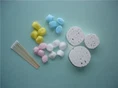
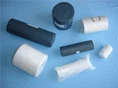
Gauze pads are versatile. For larger cuts or abrasions, they can be used to apply pressure to stop bleeding. After cleaning the wound, place a sterile gauze pad over it and secure it with medical tape. Different sizes of gauze pads, from small squares to larger rectangles, should be included in the kit. Medical tape should be hypoallergenic to avoid skin irritation on a baby's sensitive skin.
Antiseptic Wipes
Antiseptic wipes are handy for cleaning wounds. They can quickly and effectively remove dirt and debris from a cut or scrape. When choosing antiseptic wipes for a baby first aid kit, look for those that are alcohol - free and formulated for sensitive skin. Alcohol - based wipes can cause stinging and discomfort, which is especially unpleasant for a baby.
Tweezers
Tweezers are useful for removing splinters, thorns, or other small foreign objects from a baby's skin. Make sure the tweezers have a fine tip for precise removal. Before using the tweezers on a baby, sterilize them with rubbing alcohol to prevent infection.
Scissors
A pair of small, blunt - tipped scissors can be used to cut tape, gauze, or clothing if necessary. Blunt - tipped scissors are safer to prevent accidental cuts. They can also be used to open packaging of other first aid supplies in an emergency.
Medications
Acetaminophen or Ibuprofen
Fever is a common symptom in babies, and it can be distressing for both the baby and the parents. Acetaminophen and ibuprofen are two common over - the - counter medications used to reduce fever and relieve pain. Acetaminophen is generally safe for infants as young as 2 months old, while ibuprofen is typically recommended for babies 6 months and older. It's important to follow the dosing instructions carefully based on the baby's age and weight.
Antihistamine
An antihistamine can be used to treat allergic reactions. Babies can have allergic reactions to food, insect bites, or other substances. Symptoms may include hives, itching, swelling, and difficulty breathing. An antihistamine can help relieve these symptoms. However, it's crucial to consult a doctor before giving an antihistamine to a baby, especially if it's the first time.
Diaper Rash Cream
Diaper rash is a common skin condition in babies. It can be caused by wet or dirty diapers, friction, or allergic reactions. A good diaper rash cream can help soothe the irritated skin and create a barrier to prevent further irritation. Look for a cream that contains zinc oxide, which is known for its protective and healing properties.
Emergency Items
Thermometer
A reliable thermometer is essential for monitoring a baby's temperature. There are different types of thermometers available, such as digital oral, rectal, and ear thermometers. Rectal thermometers are considered the most accurate for babies under 3 months old, while ear or forehead thermometers can be used for older babies. Make sure to clean the thermometer properly before and after each use.
CPR Mask
A CPR mask is a vital item in a baby first aid kit, especially for parents and caregivers who have received CPR training. In case of a cardiac emergency, performing CPR with a mask can help protect both the rescuer and the baby. The mask should be the appropriate size for a baby to ensure a proper seal.
Emergency Contact Information
Include a card with important emergency contact information in the first aid kit. This should include the baby's doctor's phone number, local emergency services number (such as 911 in the United States), and the contact information of a trusted family member or friend who can be reached in case of an emergency.
Comfort Items
Pacifier
A pacifier can be a great comfort item for a baby during a stressful situation, such as when they are in pain or upset. It can also help soothe a crying baby, making it easier to assess and treat any injuries.
Blanket
A soft, lightweight blanket can be used to keep the baby warm and provide comfort. In case of an emergency, it can also be used to cover the baby to protect them from the elements or to provide a sense of security.
Special Considerations
If your baby has any specific medical conditions, such as asthma or food allergies, additional items should be included in the first aid kit. For example, if your baby has asthma, an inhaler and spacer should be readily available. If they have a food allergy, an epinephrine auto - injector (such as an EpiPen) may be necessary in case of a severe allergic reaction.
Why Choose Our First Aid Kits
As a first aid kit supplier, we take pride in providing high - quality baby first aid kits. Our kits are carefully curated to include all the essential items needed to handle common baby emergencies. We source our products from trusted manufacturers to ensure their safety and effectiveness.
Our kits are also designed with convenience in mind. They come in a compact and easy - to - carry case, so you can take them with you wherever you go, whether it's a trip to the park, a visit to the grandparents, or a long - distance journey. The items are organized in a way that makes them easy to find in an emergency, saving you precious time when every second counts.
We understand that the health and safety of your baby are your top priorities. That's why we offer customizable first aid kits. If you have specific requirements based on your baby's medical history or your family's lifestyle, we can work with you to create a kit that meets your exact needs.
Contact Us for Purchase and Consultation
If you're interested in purchasing a baby first aid kit or have any questions about our products, we'd love to hear from you. Our team of experts is ready to assist you in choosing the right kit for your baby. Whether you're a new parent looking for a comprehensive first aid solution or a daycare center in need of multiple kits, we can provide the support and products you need.
Get in touch with us to start a conversation about your first aid kit requirements. We're committed to helping you keep your little ones safe and protected.
References
- American Academy of Pediatrics. (2022). Caring for Your Baby and Young Child: Birth to Age 5.
- Mayo Clinic. (2023). First aid: Baby and child first aid.
- World Health Organization. (2021). First aid training materials.