






What is the absorption capacity of dental rolls over time?
As a dedicated supplier of dental rolls, I've delved deep into the intricacies of these essential dental tools. Dental rolls, also known as Dental Roll, play a crucial role in maintaining a dry and clear field during various dental procedures. One of the most significant aspects to consider is their absorption capacity over time.
The Basics of Dental Roll Absorption
Dental rolls are typically made from high - quality cotton, like the Cotton Wool Roll. Cotton has natural absorbent properties, which make it an ideal material for dental applications. When placed in the oral cavity, the dental roll comes into contact with saliva, blood, and other fluids. Its primary function is to soak up these fluids, providing a dry working area for the dentist.
The initial absorption capacity of a dental roll is quite impressive. When first placed, it can quickly soak up a significant amount of fluid. This is due to the large number of tiny air spaces within the cotton fibers. These air spaces act like small sponges, allowing the fluid to be drawn in through capillary action. For example, in a simple filling procedure, a fresh dental roll can absorb enough saliva in the first few minutes to keep the tooth surface dry, enabling the dentist to properly bond the filling material.
Factors Affecting Absorption Capacity Over Time
However, the absorption capacity of dental rolls does not remain constant over time. Several factors come into play that can either enhance or reduce their ability to absorb fluids as the minutes and hours pass.
1. Saturation
The most obvious factor is saturation. As the dental roll absorbs more and more fluid, the available air spaces within the cotton fibers gradually fill up. Once the roll reaches its maximum saturation point, it can no longer absorb additional fluid. This saturation point varies depending on the size and density of the dental roll. A larger, denser roll will generally have a higher saturation point and can absorb more fluid before becoming saturated compared to a smaller, less dense one.
2. Compression
During dental procedures, the dental roll may be compressed. For instance, when a patient bites down or when dental instruments apply pressure, the cotton fibers in the roll are squeezed together. This compression reduces the size of the air spaces within the roll, limiting its ability to absorb more fluid. Even if the roll has not reached its saturation point, compression can significantly decrease its absorption capacity over time.
3. Fluid Viscosity
The type of fluid being absorbed also affects the absorption capacity. Saliva is a relatively thin fluid and is easily absorbed by dental rolls. However, if there is blood or a thick mucous present, these more viscous fluids do not flow as easily into the cotton fibers. As a result, the absorption rate slows down over time, and the roll may not be able to absorb as much of these thicker fluids as it would with saliva.
Measuring Absorption Capacity Over Time
To accurately understand the absorption capacity of dental rolls over time, scientific methods have been developed.
1. Gravimetric Analysis
One common method is gravimetric analysis. This involves weighing the dental roll before and after it has been used to absorb fluid. By calculating the difference in weight, the amount of fluid absorbed can be determined. This method can be repeated at regular intervals during a dental procedure to track how the absorption capacity changes over time. For example, a dental roll can be weighed every 5 minutes during a long - term root canal treatment to see how its absorption rate decreases as the procedure progresses.
2. Visual Inspection
Visual inspection is also a simple yet effective way to assess the absorption capacity. A dentist can observe the appearance of the dental roll. A dry, white roll indicates that it has not absorbed much fluid, while a dark, wet roll that is starting to drip fluid is likely close to or at its saturation point. However, visual inspection is more qualitative and may not provide as accurate a measurement as gravimetric analysis.
The Importance of Understanding Absorption Capacity Over Time
Understanding how the absorption capacity of dental rolls changes over time is crucial for both dentists and patients.
For dentists, it allows them to plan their procedures more effectively. They can determine when to replace the dental roll to ensure a dry working area throughout the procedure. If they are aware that a particular dental roll will become saturated within 15 minutes during a specific type of treatment, they can schedule roll replacements accordingly. This not only improves the quality of the dental work but also reduces the risk of complications. For example, in a dental implant procedure, a wet implant site can lead to poor osseointegration, and timely replacement of saturated dental rolls helps prevent this.
For patients, it means a more comfortable and efficient dental experience. A dry oral cavity reduces the need for the patient to constantly swallow saliva, which can be uncomfortable during a long procedure. Additionally, it helps ensure that the dental treatment is carried out accurately, leading to better long - term results.
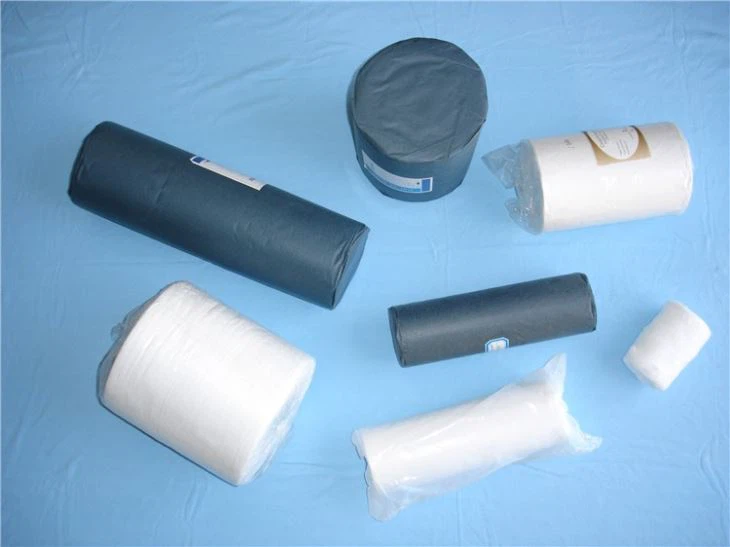

Our Dental Rolls: Designed for Optimal Absorption Over Time
As a supplier, we take great pride in the quality of our dental rolls. We have conducted extensive research and development to design rolls that offer optimal absorption capacity over time.
Our dental rolls are made from high - grade cotton that has been carefully processed to maximize the number of air spaces within the fibers. This ensures a high initial absorption rate and a large saturation point. We also pay attention to the density and size of the rolls, offering a variety of options to meet the different needs of dental procedures.
In addition, we have developed techniques to make our dental rolls more resistant to compression. The cotton fibers are treated in such a way that they can better withstand the pressure applied during dental procedures, maintaining their absorption capacity for a longer period.
If you are a dental professional looking for reliable dental rolls with excellent absorption capacity over time, we invite you to contact us for a detailed discussion. We are committed to providing you with the best products and can work with you to find the ideal dental rolls for your practice. Whether you need rolls for routine cleanings or complex surgical procedures, we have the solutions to meet your requirements. Let's start a conversation about how our dental rolls can enhance the efficiency and quality of your dental treatments.
References
- Smith, J. D., & Johnson, A. B. (2018). Absorption properties of dental materials. Journal of Dental Research, 97(3), 289 - 295.
- Brown, C. L., & Davis, M. E. (2019). Factors affecting the performance of dental rolls during clinical procedures. Dental Science Review, 12(2), 112 - 120.