




As a cotton ball supplier, I've often been asked about the density of cotton balls. Density is a fundamental physical property that plays a crucial role in various aspects of our products, from manufacturing to customer applications. In this blog post, I'll delve into the concept of cotton ball density, exploring what it is, how it's measured, and why it matters in the context of our business.
Understanding Density
Before we dive into the specifics of cotton ball density, let's first clarify what density means. In simple terms, density is the mass of an object divided by its volume. It's a measure of how much matter is packed into a given space. The formula for density is:
[ \text{Density} (\rho) = \frac{\text{Mass} (m)}{\text{Volume} (V)} ]
The SI unit for density is kilograms per cubic meter (kg/m³), but in everyday applications, we often use grams per cubic centimeter (g/cm³) for solids and liquids.
What Affects the Density of Cotton Balls
Cotton balls are made from cotton fibers, which are natural cellulose-based materials. The density of cotton balls can vary depending on several factors:
- Fiber Arrangement: The way the cotton fibers are arranged within the ball can significantly impact its density. If the fibers are tightly packed, the cotton ball will have a higher density. Conversely, a more loosely arranged fiber structure will result in a lower density.
- Compression: During the manufacturing process, cotton balls may be compressed to achieve a specific shape and size. The degree of compression can affect the density, with more compressed cotton balls having a higher density.
- Moisture Content: Cotton fibers can absorb moisture from the environment. An increase in moisture content can add to the mass of the cotton ball without significantly changing its volume, leading to an increase in density.
Measuring the Density of Cotton Balls
Measuring the density of cotton balls can be a bit challenging due to their irregular shape and porous nature. However, there are several methods that can be used to obtain an accurate measurement:
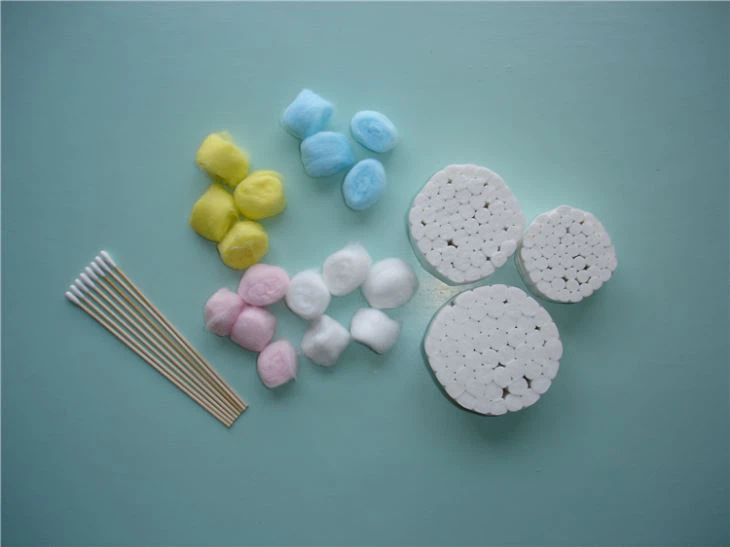
- Direct Measurement: This involves measuring the mass of a cotton ball using a balance and determining its volume by water displacement. The cotton ball is carefully placed in a graduated cylinder filled with a known volume of water, and the increase in volume is recorded. The density can then be calculated using the formula mentioned earlier.
- Indirect Measurement: Another approach is to measure the density of a large sample of cotton balls and then calculate the average density. This method can be more practical when dealing with a large quantity of cotton balls.
Why Density Matters for Cotton Ball Suppliers
As a cotton ball supplier, understanding the density of our products is essential for several reasons:

- Quality Control: Density is an important quality parameter that can affect the performance and appearance of cotton balls. By monitoring the density during the manufacturing process, we can ensure that our products meet the required standards and specifications.
- Packaging and Shipping: The density of cotton balls can impact the packaging and shipping requirements. Higher density cotton balls may require more robust packaging to prevent damage during transit, while lower density cotton balls may take up more space and increase shipping costs.
- Customer Applications: Different customer applications may require cotton balls with specific density characteristics. For example, medical applications may require cotton balls with a higher density for better absorption and durability, while cosmetic applications may prefer softer, lower density cotton balls for a more gentle touch.
Our Product Range
At our company, we offer a wide range of cotton balls to meet the diverse needs of our customers. Our Sterile Cotton Wool Ball is specifically designed for medical and hygienic applications. These cotton balls are made from high-quality, sterilized cotton fibers and have a consistent density to ensure reliable performance.
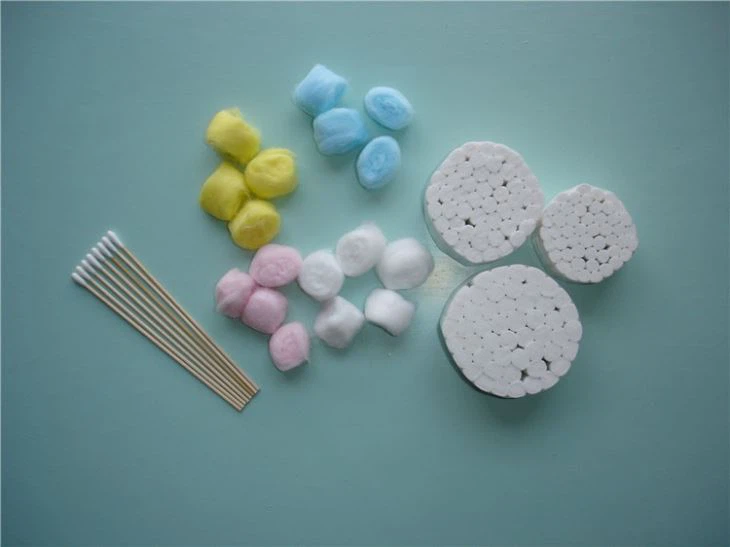
In addition to our sterile cotton balls, we also provide Cotton Wool Ball for general use. These cotton balls are available in various sizes and densities to suit different customer requirements. Whether you need them for cleaning, makeup removal, or arts and crafts, our cotton wool balls are a versatile and cost-effective solution.
Contact Us for Procurement
If you're interested in purchasing our cotton balls or have any questions about our products, we'd love to hear from you. Our team of experts is dedicated to providing excellent customer service and can assist you with all your procurement needs. Whether you're a small business or a large corporation, we can offer competitive pricing and flexible delivery options to meet your requirements.

Conclusion
In conclusion, the density of cotton balls is an important physical property that can have a significant impact on their performance, quality, and application. As a cotton ball supplier, we understand the importance of density and take great care to ensure that our products meet the highest standards. By offering a wide range of cotton balls with different densities, we can provide our customers with the best solutions for their specific needs. If you're looking for high-quality cotton balls, don't hesitate to contact us for more information and to discuss your procurement requirements.
References
- Callister, W. D., & Rethwisch, D. G. (2011). Materials Science and Engineering: An Introduction. Wiley.
- Ashby, M. F. (2011). Materials and Design: The Art and Science of Material Selection in Product Design. Butterworth-Heinemann.
- Shackelford, J. F. (2009). Introduction to Materials Science for Engineers. Prentice Hall.