



As a supplier of Tourniquet CAT, I often receive inquiries from customers on how to properly adjust the Tourniquet CAT for large limbs. In this blog post, I will share in - depth knowledge about this topic, ensuring that users can handle emergencies involving large limbs effectively with our Tourniquet CAT.
Understanding the Tourniquet CAT
The Combat Application Tourniquet (CAT) is a revolutionary device designed to control severe bleeding in emergency situations. It has been widely used in military and civilian first - aid scenarios due to its simplicity, effectiveness, and rapid application. There are two main types of our Tourniquet CAT available on our website: the [Black CAT Tourniquet](/rescue - sleeves - panel - blanket - tourniquet/tourniquet - cat/black - cat - tourniquet.html) and the [Colors CAT Tourniquet](/rescue - sleeves - panel - blanket - tourniquet/tourniquet - cat/colors - cat - tourniquet.html).
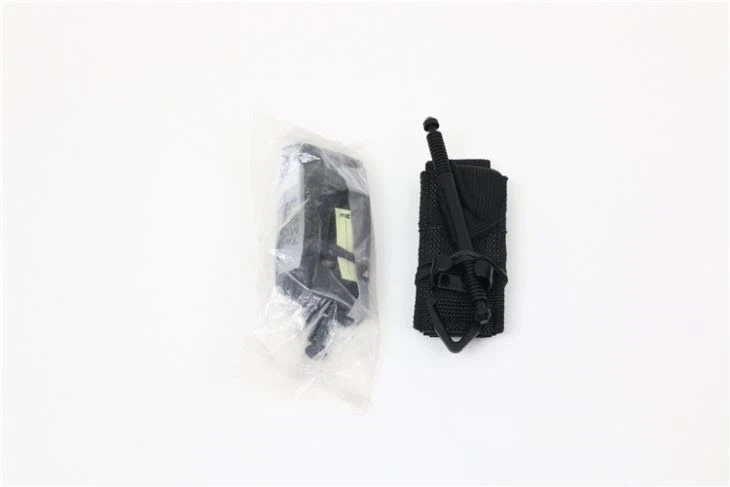
The basic components of a Tourniquet CAT include a windlass, a strap, and a buckle. The strap is wrapped around the limb, and the windlass is used to tighten the strap, applying pressure to the blood vessels to stop the bleeding.

Assessing the Limb
Before adjusting the Tourniquet CAT for a large limb, it is crucial to assess the limb properly. First, identify the source of the bleeding. In cases of severe arterial bleeding, the blood will spurt in a rhythmic pattern with each heartbeat. Venous bleeding, on the other hand, is a steady flow. The location of the wound will determine where the tourniquet should be placed.
For large limbs such as the thigh or upper arm, the tourniquet should be placed as close to the wound as possible but above the bleeding site. This ensures that the pressure is applied effectively to the major blood vessels supplying the area. However, avoid placing the tourniquet directly over a joint, as this may not provide adequate pressure and could cause additional damage.
Preparing the Tourniquet
Take the Tourniquet CAT out of its packaging. Check for any signs of damage, such as a broken strap or a malfunctioning windlass. If the tourniquet is damaged, do not use it and replace it immediately.
Wrapping the Strap
For a large limb, the strap of the Tourniquet CAT may need to be wrapped around the limb more than once to ensure a secure fit. Start by placing the buckle end of the strap on the outer side of the limb. Pass the free end of the strap under the limb and through the buckle.
Pull the strap tight, making sure it is snug against the skin but not overly constricting at this stage. If the limb is extremely large, you may need to wrap the strap around the limb an additional time before passing it through the buckle. This extra wrap helps to distribute the pressure evenly and provides a more stable base for tightening.
Tightening the Tourniquet
Once the strap is wrapped around the limb, it's time to start tightening the tourniquet using the windlass. Insert the windlass into the slots on the buckle. Begin turning the windlass clockwise. As you turn, the strap will start to tighten around the limb.
When dealing with a large limb, you may need to apply more force when turning the windlass compared to a smaller limb. Keep turning the windlass until the bleeding stops. This may take several turns, and you should feel the pressure increasing on the limb.
It is important to note that over - tightening the tourniquet can cause nerve damage, muscle damage, and other complications. However, under - tightening will not stop the bleeding effectively. The key is to find the right balance. A good way to gauge if the tourniquet is tight enough is to check for the absence of a pulse distal to the tourniquet. You can do this by feeling for a pulse at the wrist (for an arm tourniquet) or at the ankle (for a leg tourniquet).
Securing the Windlass
Once the bleeding has stopped, secure the windlass in place. Most Tourniquet CATs come with a clip or a strap that can be used to hold the windlass in position, preventing it from unwinding. Make sure the windlass is firmly secured to maintain the pressure on the limb.
Monitoring the Patient
After applying the Tourniquet CAT, it is essential to monitor the patient closely. Check for any signs of improvement, such as the bleeding stopping completely. Also, be aware of any signs of complications, such as numbness, tingling, or discoloration of the limb below the tourniquet.
If the patient's condition does not improve or if you notice any signs of complications, do not remove the tourniquet. Instead, seek immediate medical help. Medical professionals may be able to adjust the tourniquet further or provide additional treatment.
Training and Practice
Proper training is crucial when it comes to using the Tourniquet CAT, especially for large limbs. We recommend that all users undergo first - aid training that includes hands - on practice with the tourniquet. This will help you become familiar with the device's operation and build confidence in using it during an emergency.
Contact for Purchase and Further Information
If you are interested in purchasing our Tourniquet CAT products, whether it's the [Black CAT Tourniquet](/rescue - sleeves - panel - blanket - tourniquet/tourniquet - cat/black - cat - tourniquet.html) or the [Colors CAT Tourniquet](/rescue - sleeves - panel - blanket - tourniquet/tourniquet - cat/colors - cat - tourniquet.html), please feel free to contact us. We are committed to providing high - quality products and excellent customer service. Our team of experts can also answer any questions you may have regarding the use, adjustment, or maintenance of the Tourniquet CAT.
References
- American Red Cross. First Aid and CPR/AED Participant's Manual.
- National Association of Emergency Medical Technicians. Emergency Care.
- U.S. Army Medical Department. Combat Casualty Care Handbook.