



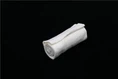
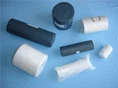
Hey there! As a gauze supplier, I often get asked about the difference between woven and non-woven gauze. So, I thought I'd break it down for you in this blog post.
Let's start with woven gauze. Woven gauze is made by interlacing threads together, kind of like how you'd weave a piece of fabric. This traditional method gives it a structured and well-defined texture. You can see the individual threads crossing over each other, creating a grid-like pattern.
One of the big advantages of woven gauze is its strength. Because the threads are woven together, it can withstand a fair amount of pulling and stretching without tearing easily. This makes it great for applications where you need a durable material. For example, in surgical settings, woven gauze is often used for packing wounds or as a surgical sponge. It can hold up to the rigors of the procedure and keep doing its job effectively.


Another plus is its absorbency. The open structure of the woven pattern allows it to soak up fluids quickly. Whether it's blood, pus, or other bodily fluids, woven gauze can handle it. This makes it a go-to choice for wound dressings, as it helps keep the wound clean and dry.
However, woven gauze also has its drawbacks. One issue is that the edges can fray over time. When you cut a piece of woven gauze, the loose threads at the edges can start to come apart, which might cause some lint to get into the wound. This isn't ideal, especially in a sterile environment. Also, because of its tight weave, it might not conform as well to irregularly shaped wounds as some other materials.
Now, let's talk about non-woven gauze. Non-woven gauze is made in a different way. Instead of weaving threads, the fibers are bonded together using heat, chemicals, or pressure. This creates a more uniform and smooth material.
One of the main benefits of non-woven gauze is its softness. It's much gentler on the skin compared to woven gauze, which makes it a great choice for sensitive areas. For example, if you're using it on a baby's skin or on a wound that's already very tender, non-woven gauze won't cause as much irritation.
Non-woven gauze is also very conformable. It can easily mold to the shape of the wound, no matter how odd it might be. This is really important for ensuring proper coverage and protection. Whether it's a curved wound on the elbow or a deep, irregular cut, non-woven gauze can adapt and stay in place.
Another advantage is that it's less likely to fray. Since there aren't any loose threads like in woven gauze, there's no risk of lint getting into the wound. This makes it a safer option for many medical applications.
But non-woven gauze isn't perfect either. While it's absorbent, it might not be as absorbent as woven gauze in some cases. The bonding process that holds the fibers together can sometimes reduce the amount of space available for fluid absorption. Also, it might not be as strong as woven gauze. If you need a material that can withstand a lot of stress, non-woven gauze might not be the best choice.
So, when should you choose woven gauze and when should you go for non-woven? Well, it really depends on the specific application. If you need a strong, highly absorbent material for a surgical procedure or a large, heavily bleeding wound, woven gauze is probably your best bet. On the other hand, if you're dealing with a sensitive area or an irregularly shaped wound, non-woven gauze would be a better option.
As a gauze supplier, I offer a wide range of both woven and non-woven gauze products. For instance, we have the Non-sterile Non-woven Gauze Ball, which is great for general cleaning and minor wound care. It's soft, non-fraying, and easy to use.
We also have the Abdominal Trauma Dressing Bandage. This is a high-quality product that might use either woven or non-woven gauze, depending on the specific requirements of the bandage. It's designed to provide effective coverage and protection for abdominal wounds.
And if you're in the medical field, you might be interested in our 14G Decompression Needle Kit X-ray. This is just one of the many medical products we offer to complement our gauze offerings.
If you're in the market for gauze or any of our other products, I'd love to talk to you. Whether you're a hospital, a clinic, or a distributor, we can work together to find the right solutions for your needs. Just reach out, and we can start discussing your requirements and how we can meet them.
In conclusion, both woven and non-woven gauze have their own unique properties and uses. Understanding the differences between them can help you make the right choice for your specific situation. So, next time you're in need of gauze, you'll know exactly which type to go for.
References
- Textbook of Medical Materials and Devices
- Journal of Wound Care Research