




As a supplier of Israeli Bandages, I often get asked about various aspects of these life - saving medical tools, and one question that comes up quite frequently is, "What is the weight of an Israeli Bandage?" In this blog, we'll delve into the details of the weight of Israeli Bandages, how it can vary, and why it matters.
Understanding the Israeli Bandage
The Israeli Bandage, also known as the emergency bandage or combat gauze bandage, is a crucial piece of medical equipment, especially in trauma situations. It was initially developed for military use to control severe bleeding in combat zones. Over time, its use has extended to civilian first - aid kits, emergency medical services, and outdoor enthusiasts' gear.
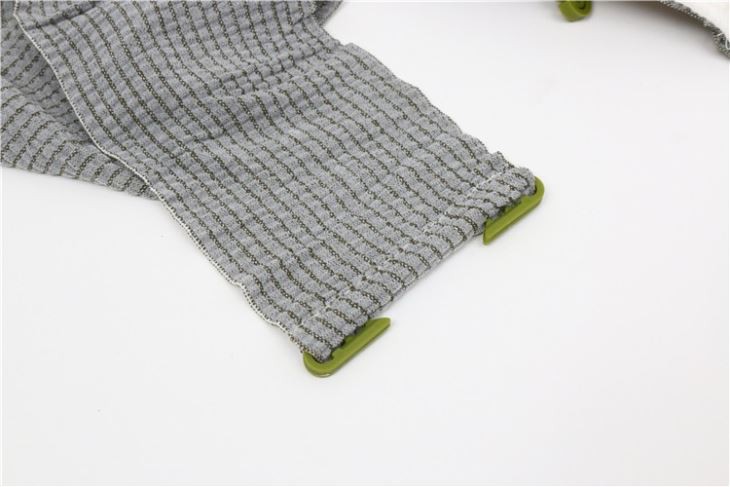
The bandage typically consists of a large absorbent pad attached to a long elastic band. The pad is designed to cover and apply pressure to large wounds, while the elastic band can be used to secure the pad firmly in place, providing compression to stop bleeding.
Variations in Size and Weight
Israeli Bandages come in different sizes, primarily 4 - inch and 6 - inch widths. Each size has a different weight, which is directly related to its dimensions and the amount of material used.
4 - Inch Israeli Trauma Dressing Bandage
The 4 Inch Israeli Trauma Dressing Bandage is a popular choice for treating smaller to medium - sized wounds. It is more compact and lighter compared to its larger counterpart. On average, a 4 - inch Israeli Bandage weighs around 3 to 4 ounces (85 to 113 grams). The lighter weight makes it an ideal option for individuals who need to carry a first - aid kit with them on a daily basis, such as hikers, cyclists, or those working in remote areas. The lower weight also means less bulk, which is important when space is limited.
6 - Inch Israeli Trauma Dressing Bandage
The 6 Inch Israeli Trauma Dressing Bandage is designed for larger wounds. It has a wider pad and a longer elastic band, which allows it to cover more extensive injuries. Due to the increased size and amount of material, the 6 - inch bandage weighs more. Typically, it weighs between 5 to 6 ounces (142 to 170 grams). This extra weight is a trade - off for the ability to handle more severe bleeding and larger wound areas.
Military Trauma Bandage
The Military Trauma Bandage is often based on the standard Israeli Bandage design but may have some additional features or be made from more durable materials. The weight of a military - grade Israeli Bandage can vary depending on its specific design and construction. However, it generally falls within the range of the standard 4 - inch and 6 - inch bandages, with the 4 - inch military version being lighter and the 6 - inch one heavier.
Why Does the Weight Matter?
The weight of an Israeli Bandage may seem like a minor detail, but it has several important implications in different scenarios.
Portability
For individuals who are on the move, such as soldiers in the field, outdoor adventurers, or first responders, every ounce counts. A lighter bandage means less weight to carry, which can make a significant difference during long - distance hikes, military marches, or extended emergency response operations. It allows for more efficient movement and reduces fatigue.
Storage
In situations where storage space is limited, such as in a small first - aid kit or a compact emergency backpack, the weight and size of the bandage are crucial. A lighter bandage takes up less space, enabling you to include other essential medical supplies in your kit.
Ease of Use
The weight of the bandage can also affect its ease of use. A lighter bandage is generally easier to handle, especially in high - stress situations. It can be quickly retrieved from a kit and applied to a wound without adding unnecessary bulk or complexity.

Factors Affecting the Weight
Several factors can influence the weight of an Israeli Bandage.
Material
The type of material used in the bandage's construction plays a significant role in its weight. High - quality, absorbent materials may be heavier but offer better performance in terms of blood absorption and wound protection. Some bandages may also have additional layers or coatings, which can add to the overall weight.
Design
The design of the bandage, including the size of the pad, the length of the elastic band, and any additional features such as hooks or loops for easy securing, can affect its weight. A more elaborate design with extra components will naturally be heavier than a simpler one.
Packaging
The packaging of the bandage also contributes to its weight. Some bandages come in individual sealed packets, which provide protection from contamination but add a small amount of weight. Reusable or bulk - packaged bandages may have less packaging weight.
Quality and Weight: Striking the Right Balance
As a supplier, we understand the importance of providing Israeli Bandages that offer the right balance between quality and weight. We source high - quality materials that are both lightweight and effective in controlling bleeding. Our manufacturing process is optimized to ensure that each bandage meets the highest standards of performance while keeping the weight as low as possible.
We also offer a variety of bandage sizes to meet the diverse needs of our customers. Whether you need a lightweight 4 - inch bandage for everyday carry or a more substantial 6 - inch bandage for treating larger wounds, we have the right product for you.
Conclusion
In conclusion, the weight of an Israeli Bandage varies depending on its size, material, design, and packaging. The 4 - inch bandage is lighter, around 3 to 4 ounces, while the 6 - inch bandage is heavier, weighing between 5 to 6 ounces. The weight of the bandage is an important consideration for portability, storage, and ease of use.
If you are in the market for high - quality Israeli Bandages, we invite you to reach out to us for procurement discussions. We can provide you with detailed product information, pricing, and delivery options. Our team of experts is ready to assist you in finding the best bandages for your specific needs.
References
- American Red Cross. First Aid Manual.
- Military Medical Research Institute publications on trauma care.
- Peer - reviewed medical journals on emergency wound treatment.