




Hey there! As a supplier of lap sponges, I've got a ton to share about these super useful medical tools. Lap sponges are a staple in the medical world, and they're used in a whole bunch of different procedures. So, let's dive right in and explore what medical procedures use lap sponges.
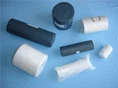
First off, what exactly are lap sponges? They're basically absorbent pads made from materials like cotton. They come in two main types: Non-sterile Lap Sponge and Sterile Lap Sponge. Non-sterile ones are used in less critical situations where there's a lower risk of infection, while sterile lap sponges are a must for surgeries and other invasive procedures.
General Surgical Procedures
One of the most common places you'll find lap sponges is in general surgical operations. Whether it's a simple appendectomy or a more complex abdominal surgery, lap sponges are used to soak up blood and other bodily fluids. During an operation, the surgeon needs a clear field of view to work accurately. Blood and other fluids can quickly obscure that view, so lap sponges are used to keep things clean and dry.

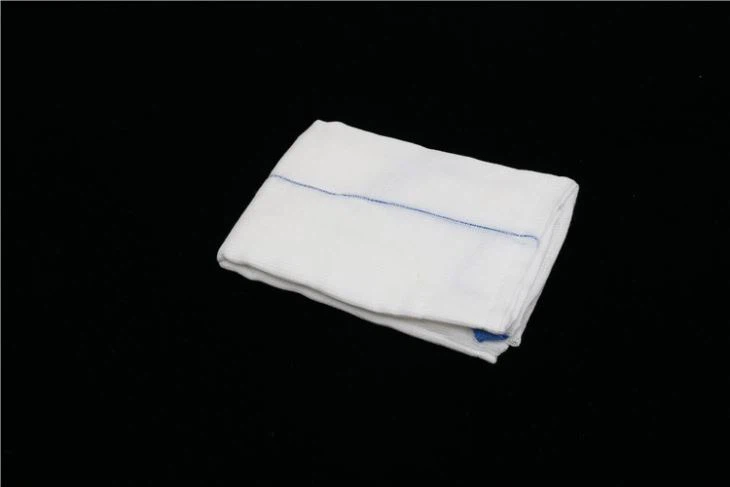
For example, in a gallbladder removal surgery (cholecystectomy), the surgeon makes small incisions in the abdomen. As they work to remove the gallbladder, there's a lot of bleeding. Lap sponges are placed near the surgical site to absorb the blood, allowing the surgeon to see what they're doing clearly. They're also used to gently pack around organs to prevent damage and to keep the area dry.
Gynecological Surgeries
Gynecological surgeries also rely heavily on lap sponges. Procedures like hysterectomy (removal of the uterus), myomectomy (removal of uterine fibroids), and ovarian cyst removal all involve a fair amount of bleeding. Lap sponges are used to manage the blood flow and keep the surgical area clean.
In a hysterectomy, for instance, the surgeon has to separate the uterus from the surrounding tissues and blood vessels. This process can cause significant bleeding. Lap sponges are used to apply pressure to control the bleeding and to absorb the blood that does escape. They're also used to protect the surrounding organs from any stray blood or fluid.
Orthopedic Surgeries
Orthopedic surgeries, which deal with the musculoskeletal system, also make use of lap sponges. In joint replacement surgeries, like knee or hip replacement, there's a lot of blood loss during the procedure. Lap sponges are used to soak up the blood and to keep the area around the joint clean.
During a knee replacement surgery, the surgeon removes the damaged parts of the knee joint and replaces them with artificial components. There's a lot of cutting and manipulation of the tissues, which leads to bleeding. Lap sponges are placed around the knee to absorb the blood and to prevent it from pooling in the surgical site. They're also used to clean the joint before the new components are inserted.
Cardiovascular Surgeries
Cardiovascular surgeries are some of the most complex procedures in medicine, and lap sponges play a crucial role in them. Surgeries like coronary artery bypass grafting (CABG) and heart valve replacement involve working on the heart and blood vessels. There's a high risk of bleeding during these procedures, and lap sponges are used to manage it.
In a CABG surgery, the surgeon takes a blood vessel from another part of the body and attaches it to the coronary arteries to bypass a blockage. This requires a lot of delicate work around the heart, and there's a significant amount of bleeding. Lap sponges are used to absorb the blood and to keep the surgical field dry. They're also used to protect the heart and other vital organs from any stray blood or fluid.
Dental Surgeries
Even in dental surgeries, lap sponges have their place. Procedures like tooth extractions, dental implant placements, and gum surgeries can cause bleeding in the oral cavity. Lap sponges are used to absorb the blood and to keep the area clean.
When a dentist extracts a tooth, for example, there's bleeding from the socket where the tooth was removed. A lap sponge is placed over the socket to apply pressure and to absorb the blood. This helps to stop the bleeding and to promote healing.
Urological Surgeries
Urological surgeries, which deal with the urinary system, also use lap sponges. Surgeries like prostatectomy (removal of the prostate), nephrectomy (removal of the kidney), and bladder surgeries all involve bleeding. Lap sponges are used to manage the blood flow and to keep the surgical area clean.
In a prostatectomy, the surgeon has to remove the prostate gland, which is located near the bladder and other important structures. There's a lot of bleeding during the procedure, and lap sponges are used to absorb the blood and to protect the surrounding organs.
Benefits of Using Lap Sponges
Now that we've seen where lap sponges are used, let's talk about why they're so important. First of all, they're highly absorbent. They can soak up a large amount of blood and other bodily fluids quickly, which helps to keep the surgical area clean and dry. This is crucial for the surgeon to have a clear view and to perform the procedure accurately.
Secondly, lap sponges are soft and gentle on the tissues. They won't cause any additional damage to the delicate organs and tissues during the surgical procedure. They can be used to gently pack around organs and to apply pressure without causing any harm.
Finally, lap sponges are disposable. After the procedure, they can be thrown away, which helps to prevent the spread of infection. This is especially important in surgeries where there's a high risk of infection.
Why Choose Our Lap Sponges
As a lap sponge supplier, I can tell you that our products are top-notch. We offer both Non-sterile Lap Sponge and Sterile Lap Sponge options to meet the different needs of medical facilities. Our lap sponges are made from high-quality materials that are highly absorbent and soft on the tissues.
We also follow strict quality control measures to ensure that our products are safe and effective. Each lap sponge is carefully inspected before it leaves our facility to make sure it meets the highest standards. We understand the importance of providing reliable medical supplies, and we're committed to delivering the best products to our customers.
Contact Us for Procurement
If you're in the market for lap sponges for your medical facility, we'd love to hear from you. Whether you need non-sterile or sterile lap sponges, we've got you covered. We can offer competitive prices and excellent customer service. Just reach out to us, and we'll be happy to discuss your procurement needs and provide you with a quote.
References
- Smith, J. (2020). Surgical Techniques and the Use of Absorbent Materials. Medical Journal of Surgical Practice, 15(2), 78-85.
- Johnson, A. (2019). Gynecological Surgeries: Blood Management and the Role of Lap Sponges. Journal of Gynecological Medicine, 22(3), 123-130.
- Brown, C. (2018). Orthopedic Surgeries: The Importance of Keeping the Surgical Field Dry. Orthopedic Review, 10(4), 56-63.