




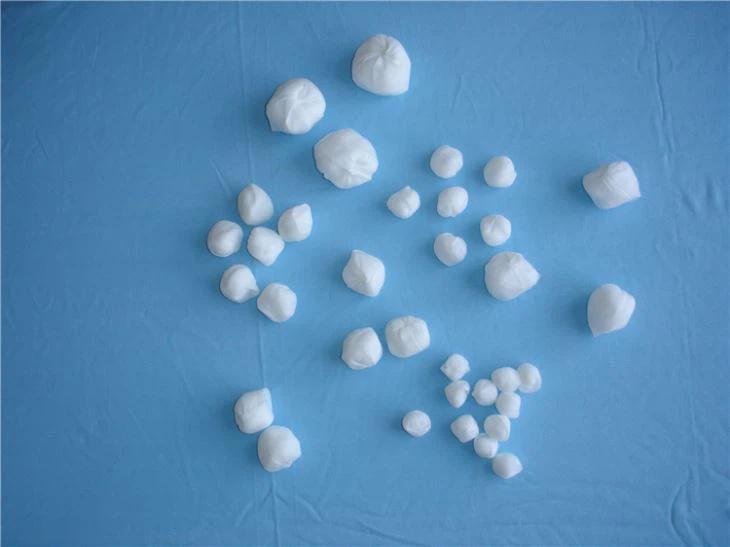
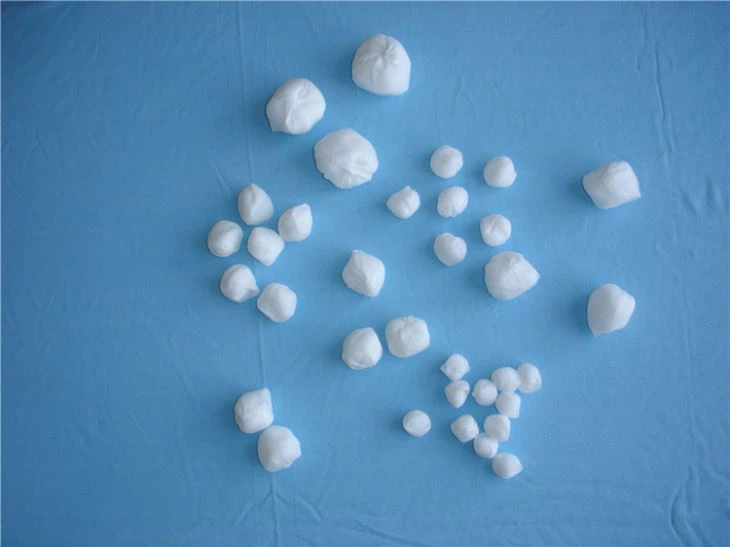
As a supplier of Sterile Gauze Balls, I often encounter questions from customers regarding the production environment of these essential medical supplies. One of the most common inquiries is whether sterile gauze balls are made in a clean environment. In this blog post, I will delve into the details of the manufacturing process of sterile gauze balls and explain why a clean environment is not just important but absolutely crucial.
The Significance of a Clean Production Environment
The production of sterile gauze balls is a highly regulated process, primarily because these products are used in medical settings where any form of contamination can have severe consequences. A clean environment is essential to prevent the introduction of microorganisms, dust, and other contaminants that could compromise the sterility of the gauze balls.
In a medical context, sterile gauze balls are used for wound cleaning, dressing, and other procedures where a high level of hygiene is required. If the gauze balls are contaminated during the manufacturing process, they can introduce harmful bacteria or other pathogens to the patient's wound, leading to infections and other complications. Therefore, maintaining a clean production environment is a fundamental aspect of ensuring the safety and effectiveness of sterile gauze balls.
The Manufacturing Process of Sterile Gauze Balls
The manufacturing process of sterile gauze balls involves several steps, each of which requires strict adherence to cleanliness and sterility standards.
Raw Material Selection
The first step in the production of sterile gauze balls is the selection of high - quality raw materials. The gauze used is typically made from pure cotton or non - woven materials. These materials must be sourced from reliable suppliers and undergo thorough quality checks to ensure they are free from contaminants. For more information on different types of gauze balls, you can visit our Sterile Gauze Ball, Non - sterile Gauze Ball, and Sterile Non - woven Gauze Ball product pages.
Cutting and Shaping
Once the raw materials are selected, they are cut into appropriate sizes and shaped into balls. This process is carried out in a cleanroom environment. A cleanroom is a specially designed room where the concentration of airborne particles is controlled to a very low level. The air in the cleanroom is filtered through high - efficiency particulate air (HEPA) filters, which can remove particles as small as 0.3 micrometers with a high degree of efficiency. This helps to prevent dust and other contaminants from settling on the gauze during the cutting and shaping process.
Sterilization
After the gauze balls are cut and shaped, they undergo a sterilization process. There are several methods of sterilization, including steam sterilization, ethylene oxide sterilization, and gamma irradiation. Each method has its own advantages and is chosen based on the type of material and the specific requirements of the product.
Steam sterilization, also known as autoclaving, uses high - pressure steam to kill microorganisms. This method is effective and relatively inexpensive, but it may not be suitable for all types of materials. Ethylene oxide sterilization is a chemical method that can penetrate packaging materials and sterilize the contents. However, it requires a longer cycle time and proper ventilation to remove any residual ethylene oxide. Gamma irradiation is a physical method that uses high - energy gamma rays to kill microorganisms. It is a fast and effective method that can be used for a wide range of materials.
Packaging
Once the gauze balls are sterilized, they are immediately packaged in a sterile environment. The packaging materials are also chosen carefully to ensure they are sterile and can maintain the sterility of the gauze balls during storage and transportation. The packaging process is carried out in a cleanroom to prevent any contamination from occurring.
Quality Control and Monitoring
To ensure that the sterile gauze balls are produced in a clean environment and meet the required quality standards, strict quality control and monitoring procedures are in place.
Environmental Monitoring
The cleanroom environment is continuously monitored to ensure that the air quality, temperature, and humidity are within the specified limits. Air samples are taken regularly and analyzed for the presence of microorganisms and airborne particles. Surface samples are also taken from equipment, workstations, and other surfaces to check for contamination.
Product Testing
In addition to environmental monitoring, the sterile gauze balls themselves are tested regularly. Microbiological tests are carried out to ensure that the products are free from viable microorganisms. Physical and chemical tests are also performed to check the quality of the gauze, such as its absorbency, strength, and purity.
Why Choose Our Sterile Gauze Balls
As a supplier of sterile gauze balls, we are committed to providing high - quality products that are produced in a clean and controlled environment. Our manufacturing facilities are equipped with state - of - the - art cleanrooms and sterilization equipment, and our production processes are in full compliance with international quality standards.
We understand the importance of sterility and safety in medical products, and we take every possible measure to ensure that our sterile gauze balls meet the highest quality requirements. Our products are widely used in hospitals, clinics, and other medical institutions around the world, and we have received positive feedback from our customers.
Contact Us for Procurement
If you are interested in purchasing our sterile gauze balls, we encourage you to contact us for procurement discussions. Whether you are a large hospital, a small clinic, or a distributor, we can provide you with the right products at competitive prices. Our team of experts is ready to answer any questions you may have and assist you in finding the best solutions for your needs.
References
- "Good Manufacturing Practices for Medical Devices" by the World Health Organization
- "Cleanroom Technology: Principles and Design, Operation, and Monitoring" by Andrew S. Klenke
- "Sterilization Technology for Medical Devices" by Joel M. Gitlin