




Can Gauze Pads be used on dental wounds?
Dental procedures, whether it's a simple tooth extraction or a more complex oral surgery, often result in wounds in the oral cavity. Proper wound care is crucial for preventing infection, promoting healing, and ensuring patient comfort. One common question that arises is whether gauze pads can be used on dental wounds. As a gauze pad supplier, I'm here to provide in - depth insights into this topic.
The Role of Gauze Pads in Dental Wound Care
Gauze pads are a staple in medical and dental settings for a reason. They are highly absorbent, which is essential when dealing with bleeding wounds. After a dental extraction, for example, the socket will bleed, and a gauze pad can be placed over the site to soak up the blood. This helps to form a blood clot, which is the first step in the healing process.
Sterilized gauze pads are particularly important in dental applications. The oral cavity is a breeding ground for bacteria, and using a non - sterile product on a dental wound can introduce harmful pathogens, increasing the risk of infection. Our Sterilized Gauze Pad is designed to meet the strictest hygiene standards, ensuring that it is safe to use on dental wounds.
Types of Gauze Pads Suitable for Dental Wounds
Not all gauze pads are created equal, and some are better suited for dental wounds than others.
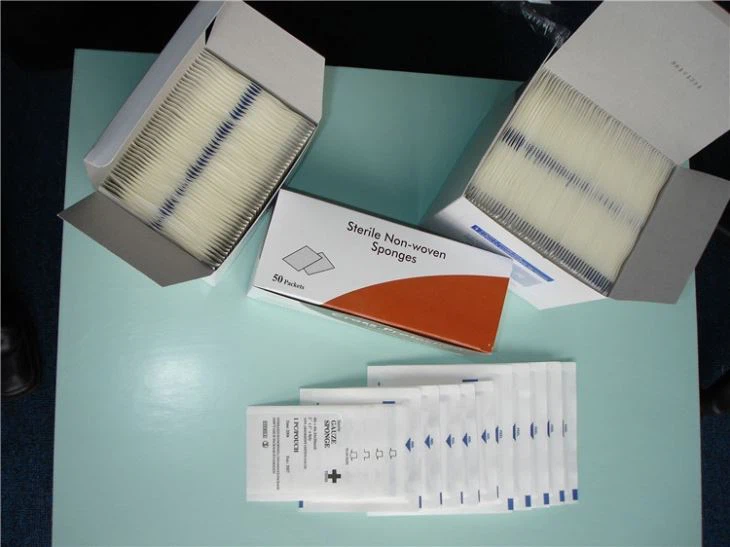
Sterilized Non - woven Gauze Pad: This type of gauze pad is made from non - woven materials, which offer several advantages. Non - woven fabrics are soft and flexible, making them comfortable to place in the mouth. They also have a high absorbency rate, which is ideal for controlling bleeding from dental wounds. Our Sterilized Non - woven Gauze Pad is designed to be gentle on the sensitive oral tissues while effectively managing blood flow.
Non Adherent Pad: In some cases, a traditional gauze pad may stick to the wound, causing pain and potentially disrupting the healing process when it is removed. A Non Adherent Pad is a great alternative. It is coated with a special material that prevents it from adhering to the wound, allowing for easy removal without causing trauma to the newly forming tissue. This type of pad is especially useful for patients who may be more sensitive or for wounds that are at a critical stage of healing.
How to Use Gauze Pads on Dental Wounds
Using gauze pads on dental wounds correctly is essential for effective wound care. Here are the general steps:
- Prepare the gauze pad: If you are using a sterile gauze pad, make sure not to touch the part that will come into contact with the wound with your bare hands. You can use clean forceps or wear sterile gloves.
- Place the gauze pad: Gently place the gauze pad over the dental wound. For a tooth extraction socket, the pad should cover the entire area.
- Apply pressure: Bite down gently on the gauze pad to apply steady pressure. This helps to control bleeding by promoting blood clot formation. Keep the pressure for about 30 minutes to an hour, depending on the amount of bleeding.
- Replace the gauze pad: If the gauze pad becomes saturated with blood, replace it with a new one. Continue this process until the bleeding stops.
Potential Risks and Precautions
While gauze pads are generally safe to use on dental wounds, there are some potential risks and precautions to be aware of.

- Allergic reactions: Some patients may be allergic to the materials used in the gauze pad. If a patient experiences itching, swelling, or other signs of an allergic reaction, the use of the gauze pad should be stopped immediately, and the patient should seek medical advice.
- Infection: Although using a sterile gauze pad reduces the risk of infection, improper handling can still lead to contamination. Always follow proper aseptic techniques when using gauze pads on dental wounds.
- Improper placement: Placing the gauze pad incorrectly or not applying enough pressure can result in ineffective bleeding control. Dental professionals should educate patients on the correct way to use gauze pads to ensure optimal wound care.
Conclusion
In conclusion, gauze pads can be effectively used on dental wounds. They play a vital role in controlling bleeding, promoting blood clot formation, and protecting the wound from external contaminants. Our range of Sterilized Gauze Pad, Non Adherent Pad, and Sterilized Non - woven Gauze Pad are specifically designed to meet the unique needs of dental wound care.
If you are a dental professional or a distributor interested in sourcing high - quality gauze pads for dental applications, we would love to have a discussion with you. Our team is dedicated to providing the best products and services to meet your requirements. Contact us today to start a procurement negotiation and take advantage of our reliable and cost - effective solutions.
References
- "Textbook of Oral and Maxillofacial Surgery"
- "Dental Wound Management: Best Practices" by leading dental journals.