





Hey there! As a supplier of S-Rolled Gauze, I often get asked if this type of gauze can be used for ankle wounds. Well, let's dive right into it and find out.
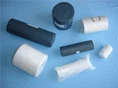
First off, let's talk about what S-Rolled Gauze is. It's a specific kind of gauze that's rolled in an S-shape. This unique rolling method gives it some distinct advantages. It's more flexible and easier to wrap around different body parts compared to some other types of gauze.
Now, when it comes to ankle wounds, there are a few things we need to consider. Ankles are tricky areas. They're constantly moving, and they have a complex shape. So, the gauze we use on ankle wounds needs to be able to stay in place, provide proper coverage, and allow the wound to breathe.
One of the great things about S-Rolled Gauze is its flexibility. The S-roll design allows it to conform well to the shape of the ankle. You can wrap it around the ankle snugly without it feeling too tight or restricting movement too much. This is super important because you don't want the gauze to cut off circulation or make it hard for the person to walk.
Another benefit is that S-Rolled Gauze is usually made from high - quality materials. It's absorbent, which means it can soak up any blood, pus, or other fluids that might come from the ankle wound. Keeping the wound clean and dry is crucial for the healing process. And since it's porous, it allows air to reach the wound, which helps prevent the growth of bacteria and promotes faster healing.
But it's not just about the S-Rolled Gauze itself. You also need to make sure you're using it correctly. When applying the gauze to an ankle wound, first, clean the wound gently with mild soap and water. Pat it dry with a clean towel. Then, start wrapping the S-Rolled Gauze around the ankle, starting from the base and working your way up. Make sure the layers overlap slightly to ensure full coverage.
Now, let's compare S-Rolled Gauze with some other types of gauze that you might be considering for ankle wounds. There's the Z-Rolled Gauze Roll. The Z-roll design is different from the S-roll. It might be a bit stiffer and not as easy to wrap around the curved shape of the ankle. While it can still be used for wounds, it might not conform as well as the S-Rolled Gauze.


Then there's the Compressed Gauze. Compressed gauze is great for stopping heavy bleeding because it's very thick and absorbent. But for a regular ankle wound that's not bleeding profusely, it might be overkill. It can also be bulkier and more difficult to wrap neatly around the ankle.
The EZ Folded Gauze is easy to handle, but it might not provide the same continuous coverage as the S-Rolled Gauze. You'd have to use multiple pieces to cover the entire ankle area, and there's a risk of gaps between the pieces.
Of course, there are some cases where S-Rolled Gauze might not be the best option. If the ankle wound is very large and deep, you might need something more specialized, like a wound dressing with added medications or a bandage that provides more support. Also, if the patient has an allergy to the material of the S-Rolled Gauze, then obviously, it's a no - go.
But for most minor to moderate ankle wounds, S-Rolled Gauze is a great choice. It's cost - effective, easy to use, and readily available. And as a supplier, I can ensure that the S-Rolled Gauze I provide meets all the necessary quality standards.
If you're in the market for S-Rolled Gauze for ankle wounds or any other medical needs, I'd love to talk to you. Whether you're a hospital, a clinic, or just someone looking for a reliable supply of medical gauze, we can work out a deal that suits your requirements. Contact me to start a procurement discussion, and let's get you the best S-Rolled Gauze for your needs.
References:
- General medical knowledge on wound care and gauze types
- Industry standards for medical gauze manufacturing and usage