



Compressed gauze is a staple in the medical field, known for its versatility and effectiveness in wound care. As a leading supplier of Compressed Gauze, I often receive questions from healthcare professionals, first - responders, and even consumers about the frequency of changing compressed gauze. In this blog, I'll delve into the science behind this question and provide some practical guidance.
Understanding Compressed Gauze
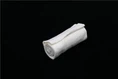
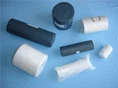
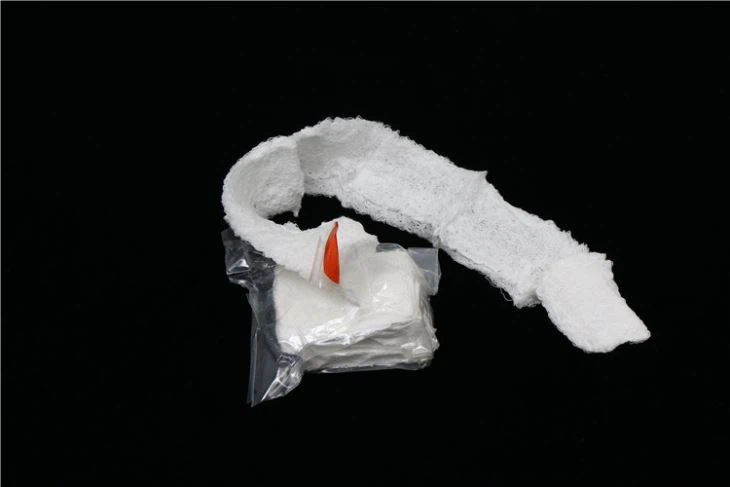
Compressed gauze is designed to be highly absorbent. It is made from layers of fine - woven cotton or other absorbent materials that are compressed to reduce its size for easy storage and handling. When it comes into contact with wound exudate (the fluid that oozes from a wound), it expands and locks in the moisture, helping to create a clean and moist environment that promotes healing.
One of the key advantages of compressed gauze is its ability to conform to the shape of the wound. Whether it's a deep, irregularly - shaped wound or a simple surface abrasion, compressed gauze can be easily manipulated to fit snugly and provide effective coverage. We also offer Z - Rolled Gauze Roll and EZ Folded Gauze in addition to our compressed gauze range, each with its own unique properties and applications.
Factors Influencing the Changing Frequency
The decision of whether compressed gauze needs to be changed frequently depends on several factors.
Wound Type
- Acute Wounds: These are fresh wounds, such as cuts, lacerations, or surgical incisions. In the initial stages, acute wounds tend to have a higher amount of exudate as the body's inflammatory response kicks in. For these wounds, the compressed gauze may need to be changed more frequently, perhaps every 1 - 2 hours in the first few hours after injury. As the wound starts to heal and the exudate production decreases, the changing frequency can be reduced to every 4 - 6 hours.
- Chronic Wounds: Chronic wounds, like pressure ulcers, diabetic foot ulcers, or venous stasis ulcers, often have a more complex healing process. They may produce a large amount of exudate over an extended period. In some cases, the compressed gauze may need to be changed every 4 - 8 hours, depending on the volume of exudate. However, if the wound is in a relatively stable state with minimal exudate, changing every 12 - 24 hours may be sufficient.
Exudate Volume
The amount of wound exudate is a crucial factor. If the exudate is saturating the compressed gauze quickly, it needs to be changed promptly. A saturated gauze can become a breeding ground for bacteria, increasing the risk of infection. On the other hand, if the exudate is minimal and the gauze remains relatively dry, it can be left in place for a longer time.

Infection Risk
Wounds at a high risk of infection, such as those that are contaminated or located in areas with a high bacterial load, require more frequent gauze changes. Changing the gauze helps to remove any bacteria - laden exudate and reduces the chance of the infection spreading. For example, a wound in the groin or perineum area may need more frequent changes due to the proximity to the body's natural flora.
Patient Activity Level
Patients who are highly active may require more frequent gauze changes. Movement can cause the gauze to shift or rub against the wound, potentially disrupting the healing process. Additionally, increased activity can lead to more sweating, which can also affect the integrity of the gauze and increase the risk of contamination.
Benefits of Frequent Changing
- Infection Prevention: As mentioned earlier, changing the compressed gauze regularly helps to remove exudate that may contain bacteria. By keeping the wound clean, the risk of infection is significantly reduced.
- Optimal Healing Environment: A fresh piece of gauze can better absorb exudate and maintain the proper moisture balance in the wound. This is essential for cell migration, proliferation, and overall wound healing.
- Patient Comfort: A saturated or dirty gauze can be uncomfortable for the patient. Changing it regularly can improve the patient's comfort level and reduce the likelihood of skin irritation.
Drawbacks of Over - Changing
While frequent changing has its benefits, over - changing the compressed gauze can also have some negative effects.
- Disruption of Healing: Each time the gauze is removed, there is a risk of disturbing the newly formed tissue at the wound site. This can slow down the healing process and potentially cause bleeding or damage to the delicate cells involved in wound repair.
- Increased Cost: More frequent gauze changes mean using more supplies, which can increase the overall cost of wound care. This is especially important for long - term wound management.
Practical Guidelines for Changing Compressed Gauze
- Assess the Wound Regularly: Check the wound and the gauze at least every few hours in the beginning. Look for signs of saturation, discoloration, or an unpleasant odor, which may indicate the need for a change.
- Follow a Schedule: Based on the factors mentioned above, establish a regular schedule for changing the gauze. However, be flexible and adjust the schedule as needed based on the wound's condition.
- Proper Technique: When changing the gauze, use sterile technique to prevent introducing new bacteria to the wound. Gently remove the old gauze and clean the wound with an appropriate antiseptic solution before applying a new piece of compressed gauze.
Conclusion
The question of whether compressed gauze needs to be changed frequently doesn't have a one - size - fits - all answer. It depends on a variety of factors, including wound type, exudate volume, infection risk, and patient activity level. As a supplier of high - quality Compressed Gauze, Z - Rolled Gauze Roll, and EZ Folded Gauze, we are committed to providing the best products and information to support effective wound care.
If you are a healthcare provider, first - responder, or involved in any aspect of wound management and are interested in learning more about our products or discussing your specific needs, we encourage you to reach out to us for a procurement discussion. We can offer guidance on the most suitable products for your requirements and help you develop an effective wound - care strategy.
References
- National Pressure Ulcer Advisory Panel, European Pressure Ulcer Advisory Panel, and Pan Pacific Pressure Injury Alliance. Prevention and Treatment of Pressure Ulcers: Quick Reference Guide. Emily Haesler (Ed.). Cambridge Media: Osborne Park, Western Australia; 2014.
- Wound Healing Society. Best Practice Guidelines for Chronic Wound Management. 2019.
- American College of Surgeons. Advanced Trauma Life Support (ATLS) Course Manual. 10th Edition. American College of Surgeons: Chicago, IL; 2018.