



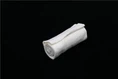
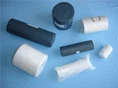
As a supplier of gauze balls, I often receive inquiries from customers about the various uses of our products. One question that comes up frequently is whether gauze balls can be used for cleaning electronic devices. In this blog post, I'll explore this topic in detail, examining the pros and cons of using gauze balls for electronic device cleaning and providing some practical tips.
Advantages of Using Gauze Balls for Cleaning Electronic Devices
Soft and Gentle
Gauze balls are typically made from soft materials, such as cotton or non - woven fabrics. This softness makes them gentle on the delicate surfaces of electronic devices. Unlike some abrasive cleaning tools, gauze balls won't scratch the screens of smartphones, tablets, or the casings of laptops. For example, when cleaning the glass screen of a smartphone, a gauze ball can effectively remove fingerprints and smudges without leaving any micro - scratches that could affect the display quality.
Absorbent
Gauze balls have excellent absorbent properties. When cleaning electronic devices, this can be a significant advantage. If you need to clean up spills or remove excess moisture from the surface of an electronic device, a gauze ball can quickly soak up the liquid. For instance, if a small amount of water is accidentally spilled on a keyboard, a gauze ball can be used to blot the water away, preventing it from seeping into the internal components and causing damage.
Versatile
There are different types of gauze balls available, such as Non - sterile Non - woven Gauze Ball, Sterile Gauze Ball, and Non - sterile Gauze Ball. Non - sterile non - woven gauze balls are cost - effective and suitable for general cleaning purposes. Sterile gauze balls are ideal for situations where a higher level of cleanliness is required, such as in a laboratory or medical environment when cleaning electronic medical devices. Non - sterile gauze balls are a good all - around option for everyday cleaning of common electronic devices.
Disadvantages of Using Gauze Balls for Cleaning Electronic Devices
Lint Shedding
One of the main drawbacks of using gauze balls is the potential for lint shedding. Some lower - quality gauze balls may leave behind small fibers on the surface of the electronic device. These lint particles can be difficult to remove and may even get into the small openings of the device, such as the headphone jack or charging port. To minimize this issue, it's important to choose high - quality gauze balls that are less likely to shed lint.
Inadequate for Deep Cleaning
Gauze balls are mainly suitable for surface cleaning. They may not be effective for deep cleaning the internal components of electronic devices. For example, if there is a build - up of dust and debris inside a computer case, a gauze ball alone won't be able to reach and clean all the hard - to - reach areas. In such cases, specialized cleaning tools like compressed air cans or brush attachments may be required.
Tips for Using Gauze Balls to Clean Electronic Devices
Choose the Right Type of Gauze Ball
As mentioned earlier, different types of gauze balls are suitable for different cleaning scenarios. For regular cleaning of consumer electronics like smartphones and tablets, non - sterile non - woven or non - sterile gauze balls are usually sufficient. If you're dealing with sensitive electronic equipment in a clean environment, sterile gauze balls may be a better choice.
Moisten the Gauze Ball Properly
If you need to use a cleaning solution, moisten the gauze ball slightly. Avoid soaking it completely, as excess liquid can damage the electronic device. It's also important to use a cleaning solution that is safe for electronic devices. For example, a mixture of water and a small amount of isopropyl alcohol can be used to clean the surface of a smartphone screen.
Be Gentle
When cleaning electronic devices with a gauze ball, apply gentle pressure. Aggressive rubbing can cause damage to the device. For example, when cleaning a laptop screen, use light, circular motions to remove dirt and smudges.


Check for Lint
Before using a gauze ball on an electronic device, check it for any loose fibers. You can do this by rubbing the gauze ball against a clean surface and looking for any lint that may be left behind. If there is significant lint shedding, choose a different gauze ball.
Conclusion
In conclusion, gauze balls can be a useful tool for cleaning electronic devices, especially for surface cleaning tasks. Their softness, absorbency, and versatility make them a viable option for many cleaning scenarios. However, it's important to be aware of the potential drawbacks, such as lint shedding and their limitations for deep cleaning. By choosing the right type of gauze ball, using it properly, and taking necessary precautions, you can effectively clean your electronic devices without causing damage.
If you're interested in purchasing high - quality gauze balls for electronic device cleaning or other purposes, we'd love to have a conversation with you. Feel free to reach out to us to discuss your specific requirements and explore the best options for your needs.
References
- "Cleaning and Maintenance of Electronic Devices" - A technical guide on proper cleaning methods for various electronic equipment.
- "Textile Materials for Cleaning Applications" - A research paper on the properties and performance of different textile materials used for cleaning, including gauze.